
01
Awareness
Make people aware.
Explain laws, policies and public decisions in plain Nepali and English, so everyone can make informed choices.
Nepal’s independent policy research platform
An independent civic-learning and policy resource helping citizens and public leaders understand Nepal’s laws, institutions and public choices.
A clearer view of the people, institutions and policies shaping our country. Built around public evidence, open questions and accountability.
An emerging civic resource. A commitment to getting it right.
A public office.
A public responsibility.
For citizens and students: who holds power, who answers for what, and where the money goes.
For MPs, staff and those who appear before Parliament: bills, budgets and committees, step by step.
For policy teams, researchers and journalists: the evidence, the options and their trade-offs.
Each figure is stated in, or counted from, the official record linked under it. We do not estimate. Our sources
Our mission
Policy Nepal works to strengthen how Nepal is governed and how it grows. These four pillars guide everything we do.
Awareness
Explain laws, policies and public decisions in plain Nepali and English, so everyone can make informed choices.
People
Create fair, moderated spaces where citizens can question, debate and contribute directly to public policy.
Accountability
Track what officials promise, decide and deliver, using public records and the same standards for everyone.
Progress
Connect talent at home and across the diaspora, champion innovation and technology, and help Nepal and its people compete and prosper in the world.
We do not support or oppose any political party or candidate, and we are no one’s enemy. We apply the same evidence and standards to every party and public official, credit good work wherever it happens, and welcome everyone who wants Nepal to move forward.
01 / People & institutions
Explore central, provincial and local government together: the issues, the responsibilities and the public record.
All of government275 members: 165 elected in constituencies and 110 by proportional vote. Every member has a page with sources.
Browse all members Committees Let lawmakers use their judgment
59 members: 56 elected from the provinces and 3 nominated. A permanent House: one third retire every two years.
 वालेन्द्र शाहPrime Ministerप्रधानमन्त्री
 स्वर्णिम वाग्लेMinister for Financeअर्थ मन्त्री
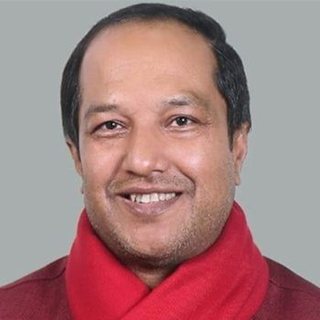 दीपक कुमार साहMinister for Industry, Commerce and Suppliesउद्योग, वाणिज्य तथा आपूर्ति मन्त्री
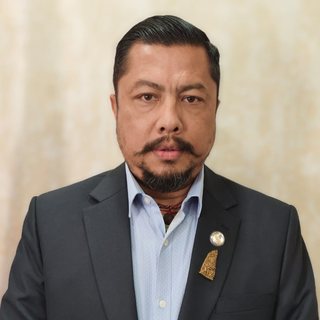 बिराज भक्त श्रेष्ठMinister for Energy, Water Resources and Irrigationऊर्जा, जलस्रोत तथा सिँचाइ मन्त्री
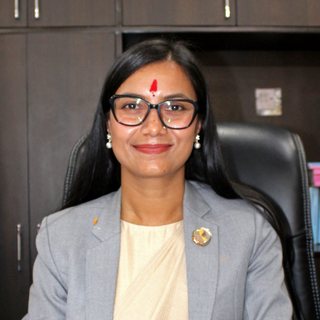 सोविता गौतमMinister for Law, Justice and Parliamentary Affairsकानून, न्याय तथा संसदीय मामिला मन्त्री
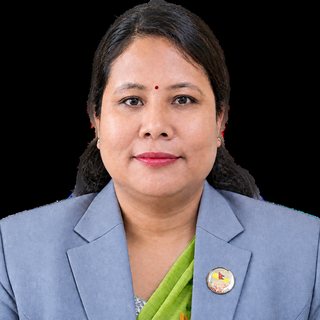 गिता चौधरीMinister for Agriculture, Forests and Environmentकृषि, वन तथा पर्यावरण मन्त्री
 सुधन गुरुङMinister for Home Affairsगृह मन्त्री
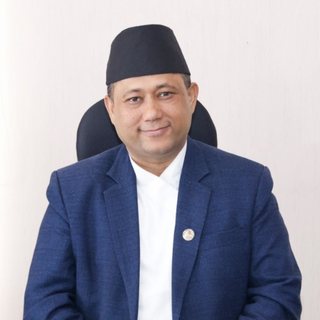 शिशिर खनालMinister for Foreign Affairsपरराष्ट्र मन्त्री
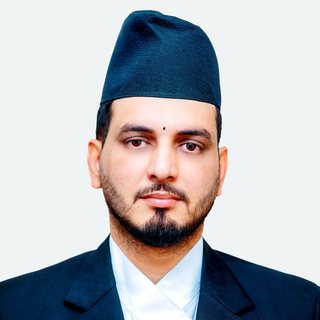 सुनिल लम्सालMinister for Infrastructure Developmentपूर्वाधार विकास मन्त्री
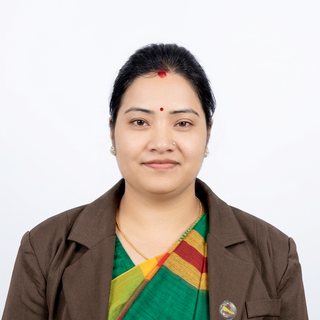 प्रतिभा रावलMinister for Land Management, Co-operatives, Federal Affairs and General Administrationभूमि व्यवस्था, सहकारी, सङ्घीय मामिला तथा सामान्य प्रशासन मन्त्री
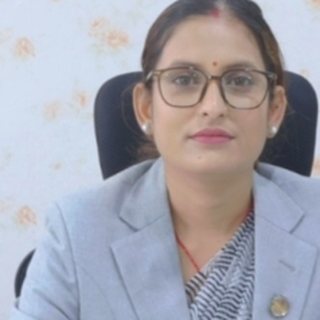 सिता बादीMinister for Women, Children, Gender and Sexual Minorities, and Social Securityमहिला, बालबालिका, लैङ्गिक तथा यौनिक अल्पसङ्ख्यक र सामाजिक सुरक्षा मन्त्री
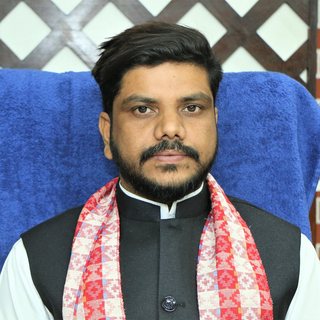 रामजी यादवMinister for Youth, Labour and Employmentयुवा, श्रम तथा रोजगार मन्त्री
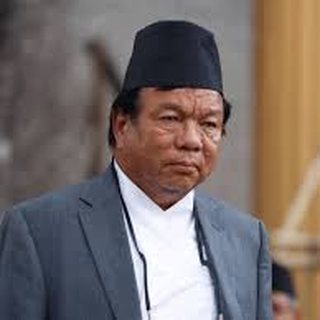 महावीर पुनMinister for Science, Technology and Innovationविज्ञान, प्रविधि तथा नवप्रवर्तन मन्त्री
 सस्मित पोखरेलMinister for Education and Sportsशिक्षा तथा खेलकुद मन्त्री
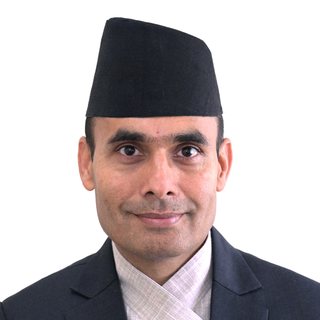 विक्रम तिमिल्सिनाMinister for Information and Communicationसूचना तथा सञ्चार मन्त्री
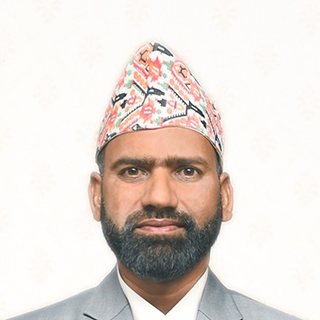 खडक राज पौडेलMinister for Culture, Tourism and Civil Aviationसंस्कृति, पर्यटन तथा नागरिक उड्डयन मन्त्री
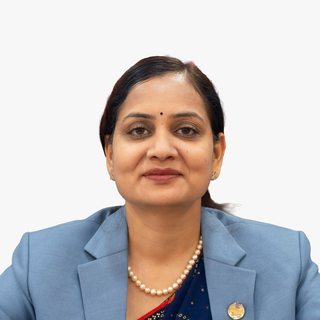 निशा मेहताMinister for Health and Food Safetyस्वास्थ्य तथा खाद्य स्वच्छता मन्त्री
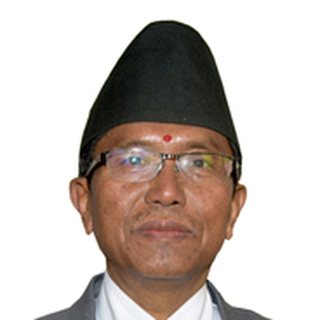 प्रेम कुमार राईCommission for the Investigation of Abuse of Authorityअख्तियार दुरूपयोग अनुसन्धान आयोग
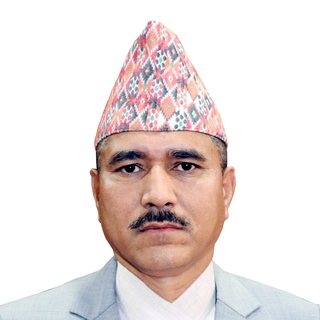 Toyam RayaOffice of the Auditor Generalमहालेखा परीक्षकको कार्यालय
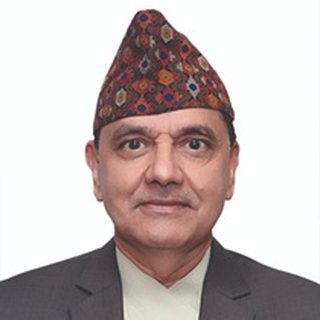 माधव बेल्बासेPublic Service Commissionलोक सेवा आयोग
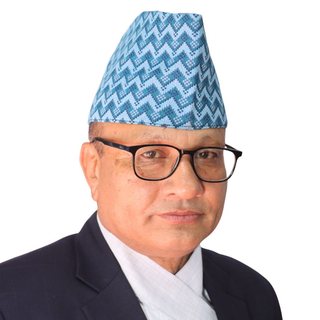 मानबहादुर कार्कीElection Commission, Nepalनिर्वाचन आयोग
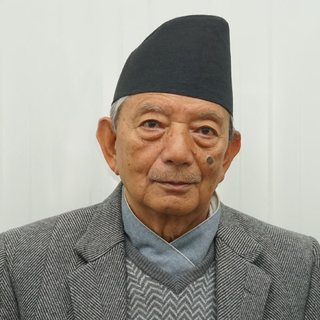 तप बहादुर मगरNational Human Rights Commissionराष्ट्रिय मानव अधिकार आयोग
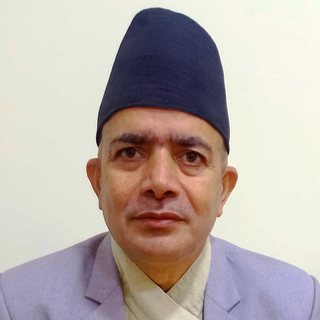 विपिन राज निरौलाNational Natural Resources and Fiscal Commissionराष्ट्रिय प्राकृतिक स्रोत तथा वित्त आयोगकमला पराजुलीNational Women Commissionराष्ट्रिय महिला आयोग
 देवराज विश्वकर्माNational Dalit Commissionराष्ट्रिय दलित आयोगPost vacantNational Inclusion Commissionराष्ट्रिय समावेशी आयोग
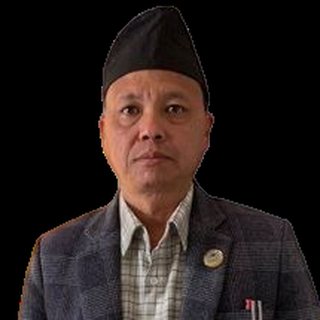 रामबहादुर थापा मगरIndigenous Nationalities Commissionआदिवासी जनजाति आयोग
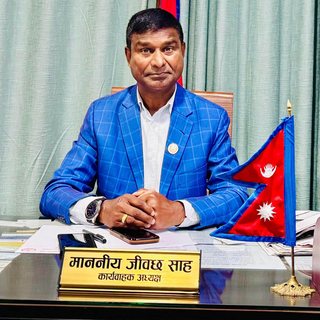 जीवछ साहMadheshi Commissionमधेशी आयोग
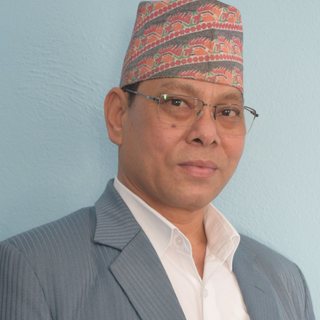 सुबोध सिंह थारूTharu Commissionथारू आयोग
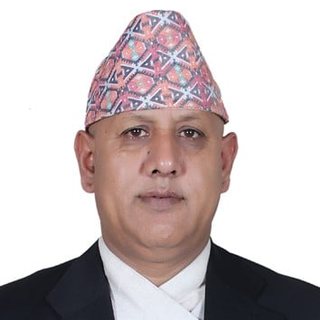 महमदिन अलीMuslim Commissionमुस्लिम आयोग
02 / Awareness through policy & law
Know your rights, understand public issues and make informed choices. Explore official sources by institution and subject, with law, proposals and analysis kept distinct.
Constitution
The Constitution of Nepal is the country's fundamental law. Any law that conflicts with it is void to the extent of the conflict. It was published in the Nepal Gazette on 20 September 2015 (2072-06-03 BS). It has a Preamble, 35 Parts containing 308 Articles, and 9 Schedules. The Schedules set out the national flag, the national anthem, the coat of arms, the districts in each Province, and five lists that divide powers between the levels of government. Laws that were in force when the Constitution began stay in force until they are repealed or amended.नेपालको संविधान देशको मूल कानून हो। यससँग बाझिने कानून बाझिएको हदसम्म अमान्य हुन्छ। संविधान २०७२ असोज ३ (२० सेप्टेम्बर २०१५) मा नेपाल राजपत्रमा प्रकाशित भएको हो। यसमा प्रस्तावना, ३०८ धारा भएका ३५ भाग, र ९ अनुसूची छन्। अनुसूचीमा राष्ट्रिय झन्डा, राष्ट्रिय गान, निशान छाप, प्रत्येक प्रदेशमा पर्ने जिल्ला, र तहगत सरकारबीच अधिकार बाँड्ने पाँचवटा सूची छन्। संविधान लागू हुँदा बहाल रहेका कानून खारेज वा संशोधन नभएसम्म लागू रहन्छन्।
Act
The Act puts into practice the powers that the Constitution gives to rural municipalities and municipalities. Their exclusive powers are those in Schedule 8 of the Constitution. The Act then sets out detailed functions, such as municipal police, education, health, roads, water supply and local revenue. Ward committees carry out functions at ward level.संविधानले गाउँपालिका र नगरपालिकालाई दिएका अधिकार यस ऐनले कार्यान्वयन गर्छ। स्थानीय तहको एकल अधिकार संविधानको अनुसूची-८ बमोजिम हुन्छ। ऐनले नगर प्रहरी, शिक्षा, स्वास्थ्य, सडक, खानेपानी, स्थानीय राजस्वलगायतका विस्तृत काम, कर्तव्य र अधिकार तोकेको छ। वडा तहको काम वडा समितिले गर्छ।
Act
The Act covers every 'person holding public office'. That includes office-bearers and staff of public institutions such as government-owned companies, banks and boards, universities and schools that receive state grants, and bodies run on government loans or guarantees. It applies to Nepali citizens wherever they live.यो ऐन 'सार्वजनिक पद धारण गरेको व्यक्ति' सबैमा लागू हुन्छ। सरकारी स्वामित्वका कम्पनी, बैंक, बोर्ड, सरकारी अनुदान पाउने विश्वविद्यालय र विद्यालय तथा सरकारी ऋण वा जमानतमा चल्ने संस्थाका पदाधिकारी र कर्मचारी पनि यसभित्र पर्छन्। नेपाली नागरिक जहाँ बसे पनि यो ऐन लागू हुन्छ।
Act
Every Nepali citizen has the right to information held by a public body. 'Public body' is defined broadly. It covers constitutional and statutory bodies, federal, provincial and local government offices, publicly owned or funded organisations, registered political parties, and NGOs that receive money from the government, foreign governments or international organisations.सार्वजनिक निकायमा रहेको सूचना माग्ने र पाउने हक हरेक नेपाली नागरिकलाई छ। ऐनले 'सार्वजनिक निकाय' को परिभाषा फराकिलो राखेको छ। यसमा संवैधानिक र कानूनद्वारा स्थापित निकाय, सङ्घ, प्रदेश र स्थानीय तहका कार्यालय, सरकारी स्वामित्व वा अनुदानमा चल्ने संस्था, दर्ता भएका राजनीतिक दल, र सरकार, विदेशी सरकार वा अन्तर्राष्ट्रिय संस्थाबाट रकम पाउने गैरसरकारी संस्थासमेत पर्छन्।
Act
Every political party must register with the Election Commission. An application needs the party's statute, manifesto, flag and symbol, signed commitments from at least 500 voters to join, and a central committee of at least 21 members. The Commission must decide within 45 days. A party cannot be registered if its name or symbol matches one already registered.हरेक राजनीतिक दल निर्वाचन आयोगमा दर्ता हुनुपर्छ। दर्ताको निवेदनसँग दलको विधान, घोषणापत्र, झण्डा र चिह्न, सदस्य बन्न प्रतिबद्ध कम्तीमा ५०० मतदाताको हस्ताक्षर र कम्तीमा २१ सदस्यको केन्द्रीय समिति चाहिन्छ। आयोगले ४५ दिनभित्र निर्णय गर्नुपर्छ। पहिले नै दर्ता भएको दलको नाम वा चिह्नसँग मिल्ने दल दर्ता हुन सक्दैन।
Act
The Act taxes every person with taxable income in an income year, the Nepal branches (permanent establishments) of foreign businesses that send income abroad, and people who receive payments taxed by final withholding. It applies throughout Nepal and also to residents living abroad. Tax is worked out by applying the rates in Schedule 1 to taxable income. The Inland Revenue Department administers it. The text has been amended many times, most often through the annual Finance Acts, up to the Finance Act 2083.आय वर्षमा करयोग्य आय भएका सबै व्यक्ति, आय विदेश पठाउने विदेशी व्यवसायका नेपालस्थित स्थायी संस्थापन, र अन्तिम रूपमा कर कट्टी भएको भुक्तानी पाउने व्यक्तिमाथि यस ऐनअनुसार कर लाग्छ। ऐन नेपालभर लागू हुन्छ, र विदेशमा बसेका बासिन्दालाई पनि लागू हुन्छ। करयोग्य आयमा अनुसूची–१ का दर लगाएर कर हिसाब गरिन्छ। आन्तरिक राजस्व विभागले ऐन कार्यान्वयन गर्छ। यो ऐन धेरैपटक संशोधन भएको छ, जसमध्ये धेरैजसो वार्षिक आर्थिक ऐनमार्फत भएका छन्, पछिल्लो संशोधन आर्थिक ऐन, २०८३ ले गरेको हो।
Act
The Education Act 2028 (1971) is still the main federal law for schools, as amended 16 times, most recently in 2074 and 2075. It defines basic education as early childhood education up to grade 8 and secondary education as grades 9–12. Anyone wanting to open a school needs permission: the application goes to the prescribed authority with a recommendation from the village or municipal education committee (for basic schools) or the district education committee (for secondary schools). Private ('institutional') schools are run as educational trusts, and no school may be affiliated with a foreign institution.शिक्षा ऐन, २०२८ अझै पनि विद्यालयसम्बन्धी मुख्य सङ्घीय कानून हो, र यसमा १६ पटक संशोधन भइसकेको छ (पछिल्लो २०७४ र २०७५ मा)। ऐनअनुसार प्रारम्भिक बाल शिक्षादेखि कक्षा ८ सम्म आधारभूत शिक्षा र कक्षा ९ देखि १२ सम्म माध्यमिक शिक्षा हो। विद्यालय खोल्न अनुमति चाहिन्छ: आधारभूत विद्यालयका लागि गाउँ वा नगर शिक्षा समितिको र माध्यमिक विद्यालयका लागि जिल्ला शिक्षा समितिको सिफारिससहित तोकिएको अधिकारीसमक्ष निवेदन दिनुपर्छ। संस्थागत (निजी) विद्यालय शैक्षिक गुठीका रूपमा चल्छन्, र विदेशी शिक्षण संस्थासँग सम्बन्धन गरेर विद्यालय खोल्न पाइँदैन।
Act
The Public Health Service Act 2075 (2018) puts into law the constitutional right to free basic health services and emergency care. Every citizen has the right to obtain quality health services easily, and no one may be denied health services. Basic services that must be free include immunisation; newborn and child health, nutrition, pregnancy, delivery, family planning, abortion and reproductive health; communicable and non-communicable disease services; mental health; services for senior citizens; general emergency care; health promotion; and Ayurveda and other recognised alternative services. Provinces and local levels may add services at their own cost. The MoLJPA copy consolidated to Magh 2081 shows no amendments.जनस्वास्थ्य सेवा ऐन, २०७५ ले संविधानले दिएको निःशुल्क आधारभूत स्वास्थ्य सेवा र आकस्मिक स्वास्थ्य सेवा पाउने हकलाई कानूनी रूप दिएको छ। प्रत्येक नागरिकलाई गुणस्तरीय स्वास्थ्य सेवा सहज रूपमा पाउने अधिकार छ र कसैलाई पनि स्वास्थ्य सेवाबाट वञ्चित गरिँदैन। निःशुल्क दिनुपर्ने आधारभूत सेवामा खोप; नवजात शिशु र बाल स्वास्थ्य, पोषण, गर्भवती, प्रसूति, परिवार नियोजन, गर्भपतन र प्रजनन स्वास्थ्य; सरुवा र नसर्ने रोग; मानसिक स्वास्थ्य; जेष्ठ नागरिक स्वास्थ्य; सामान्य आकस्मिक सेवा; स्वास्थ्य प्रवर्द्धन; तथा आयुर्वेद र अन्य मान्यताप्राप्त वैकल्पिक सेवा पर्छन्। प्रदेश र स्थानीय तहले आफ्नै खर्चमा थप सेवा थप्न सक्छन्। कानून मन्त्रालयको २०८१ माघसम्म मिलाइएको प्रतिमा कुनै संशोधन देखिँदैन।
Act
Only licensed agencies may run a foreign employment business. To get a licence from the Department of Foreign Employment, an agency must lodge a cash deposit and a bank guarantee that rise with the number of workers it plans to send each year (from Rs 5 million cash plus Rs 15 million guarantee for up to 3,000 workers, to Rs 20 million cash plus Rs 40 million guarantee for more than 5,000). A licence lasts one fiscal year and must be renewed. People can also apply to the Department to go abroad individually, but licensed agencies may not send workers through that route.इजाजतपत्र लिएका संस्थाले मात्र वैदेशिक रोजगार व्यवसाय गर्न पाउँछन्। वैदेशिक रोजगार विभागबाट इजाजत लिन संस्थाले वार्षिक पठाउने कामदार सङ्ख्याअनुसार नगद धरौटी र बैङ्क ग्यारेन्टी राख्नुपर्छ (वार्षिक ३,००० सम्म कामदार पठाउन ५० लाख नगद र १ करोड ५० लाखको ग्यारेन्टीदेखि ५,००० भन्दा बढी पठाउन २ करोड नगद र ४ करोडको ग्यारेन्टीसम्म)। इजाजतपत्र एक आर्थिक वर्षका लागि मान्य हुन्छ र नवीकरण गर्नुपर्छ। व्यक्तिले विभागमा निवेदन दिएर व्यक्तिगत रूपमा पनि वैदेशिक रोजगारमा जान सक्छन्, तर इजाजतपत्रवालाले त्यो बाटोबाट कामदार पठाउन पाउँदैनन्।
Try another search or reset the filters. Browse all laws for the full indexed collection.
An Act is not a policy proposal. A party manifesto is not government law. Library entries identify the document type, issuer, dates and verification status.
Our source standards03 / National Agenda
Understand the choices behind the headlines. Examine parties’ positions across several dimensions, using the same questions and evidence standards for everyone.
Issues before party labels.
Understand Nepal’s choices. Find what matters to you. See where leaders stand. Follow what they deliver.
04 / The civic forum
Public discussion deserves context, fair rules and space for different views. These proposed formats show what responsible participation could look like.
PUBLIC-INTEREST DEBATES
Issue-led conversations with published eligibility, impartial moderation and equal rules. Recordings, transcripts and corrections should remain accessible.
Proposed format · no events announcedLEADERSHIP WATCH
A future window into emerging public leadership, selected through documented roles and policy contributions.
A documented public role or substantive policy contribution, supported by identifiable sources and reviewed under consistent published criteria. Inclusion will not be an endorsement.
The reason for inclusion, dated work, source links, relevant responses, uncertainty and corrections. Private-life speculation and popularity leaderboards have no place here.
No people are featured yet. Profiles require identity checks, editorial review and rights-cleared images before publication.
The standard behind the work
For everyone in Nepal, across gender, caste, ethnicity, geography and economic background. Our proposed work begins with a simple responsibility: make it possible for readers to check us.
Official records lead for official acts. Every material claim should identify its source, date and verification status. Party material establishes what a party says; it does not independently establish performance.
The same publication standards apply to every party and officeholder. Funding, conflicts and editorial responsibility should be disclosed. We make no claim yet that nonprofit incorporation or operational governance has been completed.
An allegation, investigation, charge and judgment are different things. Consequential adverse coverage requires careful sourcing, relevant responses and the latest procedural outcome. Missing evidence is a limitation, not a finding.
Every page keeps a visible change history. To point out an error or offer a better source, email feedback@policynepal.org with the page and the official source. We read every message but cannot promise a reply.
Reading needs no account. An optional account lets you rate office-holders and policies; it asks only for an email and optional profile details, never shows your individual answers or party, and can be downloaded or deleted at any time. There is no analytics or advertising tracking. Opening an external source is subject to that site’s own practices.