
The Big Picture
The Big Picture
Nepal’s Parliament, parties, money and national issues at a glance. Every item links to the details and sources.
What is this?
A one-page orientation to how Nepal is governed: who holds office, where the parties stand, the budget and debt, and the big national questions.
Why does it matter?
You cannot hold leaders to account for a system you cannot see. Start here, then follow any card to the detail and the sources.
What does the Constitution ask the State to strive for?संविधानले राज्यलाई केका लागि प्रयासरत हुन भन्छ?
The Constitution of Nepal sets out what the State should work towards: in its Preamble, and in Part 4, the Directive Principles (Article 50) and the Policies of the State (Article 51).नेपालको संविधानले राज्यले केका लागि काम गर्नुपर्छ भन्ने कुरा प्रस्तावना र भाग ४ को निर्देशक सिद्धान्त (धारा ५०) तथा राज्यका नीति (धारा ५१) मा तोकेको छ।
- Competitive multiparty democracyप्रतिस्पर्धात्मक बहुदलीय लोकतन्त्र
A competitive multiparty democratic system with civil liberties, fundamental and human rights, adult franchise, periodic elections and full freedom of the press.नागरिक स्वतन्त्रता, मौलिक अधिकार, मानव अधिकार, बालिग मताधिकार, आवधिक निर्वाचन र प्रेसको पूर्ण स्वतन्त्रतासहितको प्रतिस्पर्धात्मक बहुदलीय लोकतान्त्रिक शासन व्यवस्था।
“the people's competitive multiparty democratic system of governance, civil liberties, fundamental rights, human rights, adult franchise, periodic elections, full freedom of the press” Preambleप्रस्तावना, p. 2पृ. २
- Rule of law and an independent judiciaryकानूनको शासन र स्वतन्त्र न्यायपालिका
An independent, impartial and competent judiciary, the rule of law, and justice that is speedy, affordable, impartial and accountable to people.स्वतन्त्र, निष्पक्ष र सक्षम न्यायपालिका, कानूनको शासन, र छिटो, कम खर्चिलो, निष्पक्ष तथा जनताप्रति जवाफदेही न्याय।
“independent, impartial and competent judiciary and concept of the rule of law” Preambleप्रस्तावना, p. 2पृ. २
“To make administration of justice speedy, efficient, widely available, cost-effective, impartial, effective, and accountable to people” Art. 51(k)(1)धारा ५१(ट)(१), p. 32पृ. ३२
- Good governanceसुशासन
Public services everyone can reach easily, and a public administration that is fair, competent, impartial, transparent, free from corruption, accountable and participatory.राज्यले दिने सेवा र सुविधामा सबैको समान र सहज पहुँच, र निष्पक्ष, सक्षम, तटस्थ, पारदर्शी, भ्रष्टाचारमुक्त, जवाफदेही र सहभागितामूलक सार्वजनिक प्रशासन।
“To guarantee good governance by ensuring equal and easy access of people to services and facilities delivered by the State, while making public administration fair, competent, impartial, transparent, free from corruption, accountable and participatory” Art. 51(b)(4)धारा ५१(ख)(४), p. 24पृ. २४
- Control of corruption in every sectorहरेक क्षेत्रमा भ्रष्टाचार नियन्त्रण
Effective measures against corruption and irregularities in the political, administrative, judicial and social sectors.राजनीतिक, प्रशासनिक, न्यायिक र सामाजिक क्षेत्रमा हुने भ्रष्टाचार र अनियमितता नियन्त्रण गर्न प्रभावकारी उपाय।
“To adopt effective measures for control of corruption and irregularities in all sectors including political, administrative, judicial and social sectors” Art. 51(k)(3)धारा ५१(ट)(३), p. 32पृ. ३२
- A free and professional pressस्वतन्त्र र व्यावसायिक प्रेस
Full freedom of the press, and mass media that are fair, healthy, impartial, decent, responsible and professional.प्रेसको पूर्ण स्वतन्त्रता, र निष्पक्ष, स्वस्थ, तटस्थ, मर्यादित, जिम्मेवार र व्यावसायिक आमसञ्चार।
“full freedom of the press” Preambleप्रस्तावना, p. 2पृ. २
“To make necessary provisions to make mass media fair, healthy, impartial, decent, responsible and professional” Art. 51(b)(5)धारा ५१(ख)(५), p. 24पृ. २४
- An egalitarian, inclusive societyसमतामूलक र समावेशी समाज
An end to discrimination based on class, caste, region, language, religion and gender, and to caste-based untouchability, through proportional inclusion and participation.समानुपातिक समावेशी र सहभागितामूलक सिद्धान्तका आधारमा वर्ग, जात, क्षेत्र, भाषा, धर्म र लिङ्गका आधारमा हुने भेदभाव र जातीय छुवाछूतको अन्त्य।
“resolving to build an egalitarian society based on the proportional inclusive and participatory principles in order to ensure economic equality, prosperity and social justice by eliminating discrimination based on class, caste, region, language, religion and gender and all forms of caste-based untouchability” Preambleप्रस्तावना, p. 1पृ. १
- Cooperative federalismसहकारी सङ्घीयता
Relations between the Federation, Provinces and Local Levels based on cooperative federalism, with local autonomy and decentralisation.सहकारी सङ्घीयताका आधारमा सङ्घ, प्रदेश र स्थानीय तहबीचको सम्बन्ध, स्थानीय स्वायत्तता र विकेन्द्रीकरणसहित।
“maintaining the relations between the Federal Units on the basis of cooperative federalism and incorporating the principle of proportional participation in the system of governance on the basis of local autonomy and decentralization” Art. 50(1)धारा ५०(१), p. 22पृ. २२
- Shared prosperityसाझा समृद्धि
Sustainable development and rapid growth through the public, private and cooperative sectors; a socialism-oriented, independent and prosperous economy; and less economic inequality.सार्वजनिक, निजी र सहकारी क्षेत्रको सहभागितामार्फत दिगो विकास र तीव्र आर्थिक वृद्धि; समाजवादउन्मुख, स्वतन्त्र र समृद्ध अर्थतन्त्र; र आर्थिक असमानताको अन्त्य।
“to attain a sustainable economic development, while achieving rapid economic growth, by way of maximum mobilization of the available means and resources through participation and development of public, private and cooperatives; and to develop a socialism-oriented independent and prosperous economy” Art. 50(3)धारा ५०(३), p. 22पृ. २२
- Citizens who take partसहभागी नागरिक
Local public participation in development work, and community information centres and libraries for citizens.विकास निर्माणमा स्थानीय जनसहभागिता, र नागरिकका लागि सामुदायिक सूचना केन्द्र तथा पुस्तकालय।
“To enhance local public participation in the process of development works” Art. 51(f)(3)धारा ५१(च)(३), p. 27पृ. २७
“To establish and promote community information centres and libraries for personality development of citizens” Art. 51(h)(4)धारा ५१(ज)(४), p. 28पृ. २८
- Young people in national developmentराष्ट्रिय विकासमा युवा
Greater participation of young people in national development, with special opportunities in education, health and employment.राष्ट्रिय विकासमा युवाको सहभागिता बढाउने, र शिक्षा, स्वास्थ्य तथा रोजगारीलगायतका क्षेत्रमा विशेष अवसर।
“enhancing the participation of youths in national development” Art. 51(j)(7)धारा ५१(ञ)(७), p. 31पृ. ३१
- Accountable security forcesजवाफदेही सुरक्षा निकाय
Security organs, including the Nepal Army, Nepal Police and Armed Police Force, that are competent, professional, inclusive and accountable to people.नेपाली सेना, नेपाल प्रहरी र सशस्त्र प्रहरी बललगायतका सुरक्षा निकाय सक्षम, व्यावसायिक, समावेशी र जनताप्रति जवाफदेही।
“To make all security organs, including the Nepal Army, Nepal Police and Armed Police Force Nepal, competent, strong, professional, inclusive and accountable to people” Art. 51(a)(5)धारा ५१(क)(५), p. 23पृ. २३
- Peace, good governance and prosperityशान्ति, सुशासन र समृद्धि
Sustainable peace, good governance, development and prosperity through the federal democratic republic.सङ्घीय लोकतान्त्रिक गणतन्त्रात्मक शासन व्यवस्थामार्फत दिगो शान्ति, सुशासन, विकास र समृद्धि।
“to fulfil aspirations for sustainable peace, good governance, development and prosperity through the federal democratic republican system of governance” Preambleप्रस्तावना, p. 2पृ. २
Article 49 makes these guidelines for governance. Article 53 requires the Government to report to Parliament every year on what it has done, Article 54 sets up a parliamentary committee to monitor progress, and Article 55 says no court can be asked whether they have been implemented. Quotations are from the Nepal Law Commission's English translation; the Nepali text is authoritative, and the Nepali summaries here are Policy Nepal's.धारा ४९ ले यिनलाई शासन सञ्चालनको मार्गदर्शन बनाउँछ। धारा ५३ ले सरकारलाई हरेक वर्ष गरेका कामको प्रतिवेदन संसद्मा पेस गर्न लगाउँछ, धारा ५४ ले प्रगति अनुगमन गर्न संसदीय समितिको व्यवस्था गर्छ, र धारा ५५ अनुसार यी कार्यान्वयन भए वा भएनन् भनी कुनै अदालतमा प्रश्न उठाउन पाइँदैन। उद्धरण नेपाल कानून आयोगको अङ्ग्रेजी अनुवादबाट लिइएका हुन्; नेपाली पाठ नै आधिकारिक हो, र यहाँका नेपाली सारांश Policy Nepal का हुन्। Parliament’s committees
Source: Nepal Law Commission, the Constitution of Nepal: English translation · Official Nepali text · checked 2026-10-18
Money
Parliament
How is Nepal governed?
A parliamentary system: the people elect Parliament, Parliament chooses the government, courts check both, and a free press watches all three.
Who holds public office?
The heads of state, government, Parliament and the courts — and everyone else in national and provincial office, searchable in the Public Record.
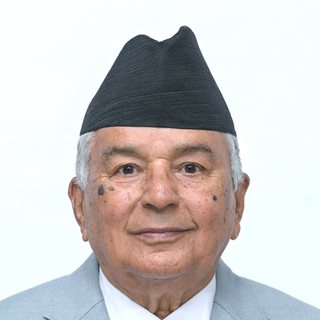
Ramchandra Paudelas of 2026-10-11
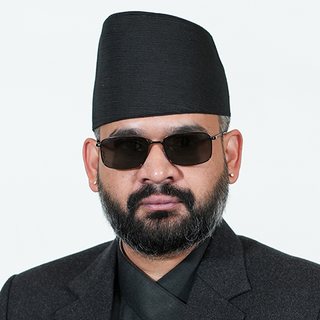
Balendra shahas of 2026-10-11
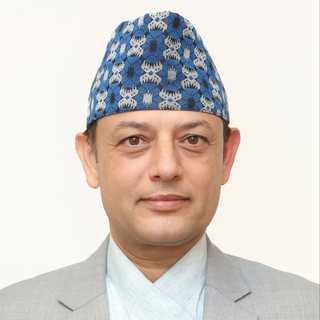
Dol Prasad Aryalas of 2026-10-11
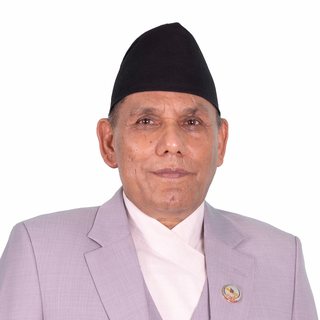
Narayan Prasad Dahalas of 2026-10-11
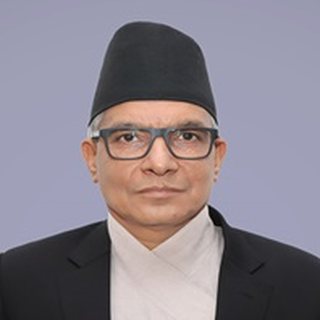
Manoj Kumar Sharmaas of 2026-10-11
332 members of Parliament17 federal ministers75 provincial office-holders12 heads of independent watchdogs
Who sits in Parliament?
One dot per seat, arranged from left to right by each party’s own stated ideology.
House of Representatives
National Assembly
One dot per seat; each party has its own colour (these are not the parties’ own brand colours), and grey is independents. Parties are arranged left to right by the ideology each names in its own documents. Seats are members shown in our directory, by party as listed in the official directory.
Where do the parties stand?
Bigger circles mean more seats. Each party sits where its own documents place it.
The state should own or steer more of the economy; equality comes first.
Markets and private business should lead; tradition and order matter more.
- Communists
- Socialist
- Social democratic
- Liberal-conservative
Not placed on this line: Shram Sanskritiश्रम संस्कृति (7 House seats७ प्रतिनिधि सभा सिट) — no party document could be obtained
Not shown: no seats in the House of Representatives in our directory: JSP Nepalजसपा नेपाल, Rastriya Janamorchaराष्ट्रिय जनमोर्चा
- Communists
- Socialist
- Social democratic
- Liberal-conservative
- Not placed / independent
The national budget
Where this year’s Rs 2,124 billion comes from, and where it goes.
Comes from
Goes to
The national debt
What Nepal owes, and to whom, in Rs billion.
Largest foreign lenders
The National Agenda
The big questions and national issues, each explained with evidence, options and who is responsible.