
Parties
Political parties
Understand Nepal’s parties: their ideas, their history and where they stand, in their own words and with evidence.
What is this?
Nepal’s parties in Parliament: what each says it stands for, how experts have placed them, their seats and their leaders. We cover national parties only: parties represented in the federal Parliament. Parties active only at provincial or local level are not included.
Why does it matter?
A vote is a choice between programmes, not just people. Compare parties on the same questions, using their own documents, and judge them on what they do as well as what they say.
Background and questions
What is a political party, and what does the Constitution require of it?
- A party is a group of people who share a political ideology, philosophy and programme and seek public support for it. Government of Nepal (Nepal Law Commission English text)नेपाल सरकार (Nepal Law Commission English text) Art. 269(1)
- To register, a party must file its constitution and manifesto with the Election Commission. Its rules must be democratic, it must elect its federal and provincial office-bearers at least once every five years, and its committees must reflect Nepal’s diversity. Government of Nepal (Nepal Law Commission English text)नेपाल सरकार (Nepal Law Commission English text) Art. 269(2)–(4)
- A party that wants to contest elections must also submit a yearly audit report. Government of Nepal (Nepal Law Commission English text)नेपाल सरकार (Nepal Law Commission English text) Art. 271(2)
- Any law that restricts forming a party, or that allows only one party or one ideology to take part, is void. Government of Nepal (Nepal Law Commission English text)नेपाल सरकार (Nepal Law Commission English text) Art. 270
Trust, but verify: questions to ask any party
Parties are the pillars of a working democracy. They should be role models: open about their money, their leaders and their decisions, and true to their own rules. Supporting a party should never mean switching off your judgement.
- Are you left, centre or right — on the economy and on social questions? If you fit none of these, why not?
- What do you want that the nearest other party does not? Why are you a separate party rather than part of it?
- When did you last elect your leaders, and who could stand against them?
- Where does your money come from, and where is your latest audit report?
- Which of your last manifesto’s promises did you keep, and how can we check?
Policy Nepal does not rank parties or tell you whom to support. Parties are placed by the ideology they name in their own documents, and by independent expert surveys — each placement with its source. Policy Nepal does not add its own scores.
Seats in Parliament
House of Representatives
National Assembly
One dot per seat; each party has its own colour (these are not the parties’ own brand colours), and grey is independents. Parties are arranged left to right by the ideology each names in its own documents. Seats are members shown in our directory, by party as listed in the official directory.
Opposition parties: their role, the record of government changes and options from other democracies
From left to right, in their own words
Each party sits in the ideological family it names in its own constitution or manifesto. The families follow the order commonly used in political science. Select a party to read its own words and sources.
The state should own or steer more of the economy; equality comes first.
Markets and private business should lead; tradition and order matter more.
- Communists
- Socialist
- Social democratic
- Liberal-conservative
Not placed on this line: Shram Sanskritiश्रम संस्कृति (7 House seats७ प्रतिनिधि सभा सिट) — no party document could be obtained
Not shown: no seats in the House of Representatives in our directory: JSP Nepalजसपा नेपाल, Rastriya Janamorchaराष्ट्रिय जनमोर्चा
- Communists
- Socialist
- Social democratic
- Liberal-conservative
- Not placed / independent
Read each party’s own words
- Communists
- Nepali Communist Party“We previously worked as various communist and socialist parties. Now we have united to form the Nepali Communist Party and have come before you with the star symbol.”“हामी पहिले विभिन्न कम्युनिष्ट तथा समाजवादी पार्टीको रूपमा कार्यरत थियौं । अहिले एकताबद्ध भएर नेपाली कम्युनिष्ट पार्टी बनाएका छौं र तारा चिन्ह लिएर तपाईंहरूमाझ आएका छौं ।”
- Rastriya Janamorcha“Rastriya Janamorcha is guided by Marxism-Leninism and strong nationalist principles”“राष्ट्रिय जनमोर्चा मार्क्सवाद-लेनिनवाद र बलियो राष्ट्रवादी सिद्धान्तहरूद्वारा निर्देशित छ”
- Communist Party of Nepal (Unified Marxist–Leninist)“The guiding principle of this party is Marxism–Leninism and People's Multiparty Democracy.”“यस पार्टीको मार्गदर्शक सिद्धान्त मार्क्सवाद–लेनिनवाद र जनताको बहुदलीय जनवाद हो ।”
- Socialist
- Social democratic
- Nepali Congress“Nationalism, democracy and socialism are the ideals of the Nepali Congress.”“राष्ट्रियता, लोकतन्त्र र समाजवाद नेपाली कांग्रेसका आदर्श हुन् ।”
- Rastriya Swatantra Party“The political philosophy of social democracy adopted by the party rests on five pillars: (a) a competitive liberal economy, (b) the rule of law, (c) government accountable to the people, (d) a welfare state, (e) a just and inclusive society.”“पार्टीले अवलम्बन गरेको सामाजिक लोकतन्त्रको राजनीतिक दर्शन पाँच मूल आधार स्तम्भमा आधारित छ। (क) प्रतिष्पर्धात्मक उदार अर्थतन्त्र (ख) विधिको शासन (ग) जनउत्तरदायी सरकार (घ) लोककल्याणकारी राज्य (ङ) समन्यायिक समावेशी समाज”
- Liberal-conservative
Not placed: Shram Sanskriti Party — no party document could be obtained.
Where do the parties stand, in their own words?
Choose a question. Parties are grouped by the position stated in their documents; open a card for the original words and source. Colours distinguish options, not approval or party affiliation.
How did we check the positions?
Each cell records what the party's own documents say: its statute, its manifesto for the 2082 House of Representatives election, and official statements or convention documents on its own website. An option is recorded only when the text states it clearly; the Nepali is quoted word for word with a page or section locator. If nothing was found, the cell says 'not stated' and lists what was searched. 'Not stated' does not mean the party supports, opposes or is neutral on the question. News reports and other parties' claims are not used to place a party. Statements about a party's past role are not counted as current positions. Where a copy of a document is hosted by someone other than the party, or the party's control of a website is not confirmed, the cell says so. English translations are Policy Nepal's unless marked as official.
“Not stated” means the documents we read do not take a position. It does not mean the party supports, opposes or is neutral. Quotes marked as coming from a copy outside the party have not been confirmed by the party.
Monarchy or republic
Keep the republic 7
- RSPKeep the republic
Their words
लोकतान्त्रिक गणतन्त्रात्मक शासन प्रणाली नेपालको मौलिक राजनीतिक अनुभव र विश्व राजनीतिको ऐतिहासिक विकासक्रम दुवैसँग गाँसिएकोले यसको सुदृढीकरण बाहेकको विकल्प सोचेका छैनौं।
Because the democratic republican system of governance is tied both to Nepal's own political experience and to the historical development of world politics, we have not considered any option other than strengthening it. (Policy Nepal translation)
The 2082 manifesto says the party has considered no option other than strengthening the democratic republican system; the 2083 statute lists a full democratic republic among the party's main ideological positions.
Rastriya Swatantra Party · Rastriya Swatantra Party Manifesto p. 7, "संक्षिप्त व्याख्या", first bullet; statute s. 6(1) - Nepali CongressKeep the republic
Their words
राष्ट्रियता, लोकतन्त्र र समाजवादको आदर्श एवं सिद्धान्त अनुरूप बहुलवादमा आधारित बहुदलीय प्रतिस्पर्धात्मक संघीय लोकतान्त्रिक गणतन्त्रात्मक संसदीय शासन प्रणालीको माध्यमबाट प्रत्येक नागरिकका राजनीतिक, आर्थिक, सामाजिक, भाषिक तथा सांस्कृतिक एवं धार्मिक अधिकार र वैयक्तिक स्वतन्त्रताको प्रत्याभूति गर्दै,
in keeping with the ideals and principles of nationalism, democracy and socialism, guaranteeing every citizen's political, economic, social, linguistic, cultural and religious rights and individual freedom through a pluralism-based, multiparty, competitive, federal democratic republican parliamentary system of governance,
The party statute sets as the party's objective working through a federal democratic republican parliamentary system. The preamble records pride in the 2065 decision that ended the monarchy.
Nepali Congress Statute Article 2(2) 'उद्देश्य', printed p. 4 (PDF p. 9) - UMLKeep the republic
Their words
यो पार्टी संविधानसभाबाट निर्माण भएको संविधानको रक्षा, प्रयोग र विकास गर्न, सङ्घीय लोकतान्त्रिक गणतन्त्रलाई संस्थागत गर्न, … प्रतिबद्ध छ ।
This party is committed to protecting, applying and developing the constitution made by the Constituent Assembly, to institutionalising the federal democratic republic, …
The party statute commits the party to protecting the constitution made by the Constituent Assembly and to institutionalising the federal democratic republic. The 2082 manifesto says the party will refine the 2072 Constitution on the basis of national consensus and implement it.
CPN · CPN Statute preamble, printed p. 6 (PDF p. 6), first paragraph - Nepali Communist PartyKeep the republic
Their words
सङ्घीय लोकतान्त्रिक गणतन्त्रको रक्षा, सुदृढीकरण र विकास तथा सङ्घ, प्रदेश र स्थानीय तहबिचको अधिकार बाँडफाँट सुस्पष्ट गर्न ।
To protect, strengthen and develop the federal democratic republic, and to make the division of powers between the federation, provinces and local levels clear.
The commitment paper commits to protecting, strengthening and developing the federal democratic republic.
From a copy hosted outside the party (not confirmed by the party or the Election Commission)
Nepali Communist Party printed p. 3 (PDF p. 5), commitments list at the end of section 3 - JSPKeep the republic
Their words
सार्वभौमसत्ता सम्पन्न जनताका हामी प्रतिनिधिहरू नेपाललाई स्वतन्त्र, स्वाधीन, समृद्ध, धर्मनिरपेक्ष, समानुपातिक समावेशी, सहभागितामूलक, सङ्घीय समाजवादी लोकतान्त्रिक गणतन्त्रात्मक राज्य बनाउने ध्येयप्रति प्रतिबद्ध हुँदै,
We, the representatives of the sovereign people, committed to the goal of making Nepal an independent, self-reliant, prosperous, secular, proportionally inclusive, participatory, federal socialist democratic republican state,
The party statute commits the party to making Nepal a federal socialist democratic republican state, and lists guaranteeing rights through a federal democratic republican system among its objectives. The 2082 manifesto mentions the republic only as a past achievement.
From a website that calls itself the party’s, not yet verified
People's Socialist Party Statute preamble, first paragraph, printed p. ३ (PDF p. 3) - Rastriya JanamorchaKeep the republic
Their words
जनताले करिब एक सय वर्षसम्म लामो सङ्घर्ष तथा त्याग र बलिदान गरेर प्राप्त गरेका गणतन्त्र, धर्मनिरपेक्षता वा बहुदलीय व्यवस्थाका ऐतिहासिक उपलब्धिहरूको रक्षा गर्नु हाम्रो जिम्मेवारी हुन्छ ।
Protecting the historic achievements of the republic, secularism and the multiparty system, won by the people through nearly a hundred years of struggle, sacrifice and martyrdom, is our responsibility.
The 2082 manifesto says protecting the republic is the party's responsibility; its cover slogan reads 'protect the republic and nationality'.
From a website that calls itself the party’s, not yet verified
Rastriya Janamorcha printed p. 8 (PDF p. 8), point ४ - Shram Sanskriti PartyKeep the republic
Their words
सबैको र सबै तिर समतामूलक ढङ्गबाट बिकास होस् भन्ना खातिर राज्यका संरचना, नीति तथा कार्यक्रमहरु बनाउन र जनताले बोध अनुभूत गर्ने गरी कार्यान्वयन गर्न साथै धर्म निरपेक्षता, समावेशी संघीय गणतन्त्रात्मक राज्य प्रणालीमा नै सबै जाति, धर्म र वर्गको समान सम्मान, स्वतन्त्रता र अफनत्व हुने र राष्ट्रिय एकतालाई प्रगाढ / बलियो बनाउन सकिन्छ भन्ने विश्वासलाई बचाइराख्न समेत यो पार्टीको स्थापना गरिएको हो ।
...the party was also founded to uphold the belief that equal respect, freedom and belonging for all castes/ethnicities, religions and classes, and stronger national unity, can be achieved only within a secular, inclusive, federal republican state system.
The party statute says the party was founded to uphold a secular, inclusive, federal republican state system; the manifesto lists 'जनताको गणतन्त्र' (people's republic) among the democratic values the party adopts, with a directly elected president as head of state and government.
From a website that calls itself the party’s, not yet verified
Shram Sanskriti Party Statute preamble, printed pp. 1–2 (PDF pp. 2–3)
Restore the monarchy (constitutional, ceremonial or 'guardian' role) 1
- RPPRestore the monarchy (constitutional, ceremonial or 'guardian' role)
Their words
अभिभावकीय संस्थाको रुपमा राजसंस्था।
The monarchy as a guardian institution.
The 2082 sankalpa-patra lists 'the monarchy as a guardian institution' first under its proposed form of governance; the statute states full faith in 'democracy with the monarchy'.
Rastriya Prajatantra Party p. 16, 'शासकीय स्वरूप', first bullet
Secular state or Hindu state
Secular state 3
- JSPSecular state
Their words
सार्वभौमसत्ता सम्पन्न जनताका हामी प्रतिनिधिहरू नेपाललाई स्वतन्त्र, स्वाधीन, समृद्ध, धर्मनिरपेक्ष, समानुपातिक समावेशी, सहभागितामूलक, सङ्घीय समाजवादी लोकतान्त्रिक गणतन्त्रात्मक राज्य बनाउने ध्येयप्रति प्रतिबद्ध हुँदै,
We, the representatives of the sovereign people, committed to the goal of making Nepal an independent, self-reliant, prosperous, secular, proportionally inclusive, participatory, federal socialist democratic republican state,
The statute commits the party to making Nepal a secular state. The 2082 manifesto lists making the interpretation of secularism clear among matters for a constitution review commission, without saying in which direction.
From a website that calls itself the party’s, not yet verified
People's Socialist Party Statute preamble, first paragraph, printed p. ३ (PDF p. 3) - Rastriya JanamorchaSecular state
Their words
जनताले करिब एक सय वर्षसम्म लामो सङ्घर्ष तथा त्याग र बलिदान गरेर प्राप्त गरेका गणतन्त्र, धर्मनिरपेक्षता वा बहुदलीय व्यवस्थाका ऐतिहासिक उपलब्धिहरूको रक्षा गर्नु हाम्रो जिम्मेवारी हुन्छ ।
Protecting the historic achievements of the republic, secularism and the multiparty system ... is our responsibility.
The manifesto commits to protecting secularism as a historic achievement and calls on forces that support the republic and secularism to unite.
From a website that calls itself the party’s, not yet verified
Rastriya Janamorcha printed p. 8 (PDF p. 8), point ४ - Shram Sanskriti PartySecular state
Their words
राज्यको कुनै धर्म नहुने ! कसैलाई काखा र कसैलाई पाखा नगर्ने ! व्यक्ति धार्मिक आवस्था प्रति स्वतन्त्र रहने ! कसैले करकाप गरेर धर्म परिवर्तन गराउन नहुने वाध्य नबनाउने ! अन्यथा दण्डनीय मानिने !
The state will have no religion. No one will be favoured or sidelined. Individuals will be free in their religious faith. No one may force or compel conversion; otherwise it will be punishable.
The manifesto, under the heading 'secularism and freedom', says the state will have no religion and individuals will be free in matters of faith; the statute preamble also names a secular state system.
From a website that calls itself the party’s, not yet verified
Shram Sanskriti Party Manifesto printed p. 6 (PDF p. 6), '# धर्म निरपेक्षता र स्वतन्त्रता'
Hindu state (or 'Hindu nation') 1
- RPPHindu state (or 'Hindu nation')
Their words
सर्वधर्म समभाव पूर्ण धार्मिक स्वतन्त्रता सहितको वैदिक सनातन धर्म सापेक्ष हिन्दु राष्ट्र।
A Hindu nation oriented to the Vedic Sanatan religion, with equal respect for all religions and full religious freedom.
Proposes 'a Hindu nation oriented to the Vedic Sanatan religion, with equal respect for all religions and full religious freedom', and commits to equal freedom for all religions and to making religious discrimination punishable.
Rastriya Prajatantra Party p. 16, 'शासकीय स्वरूप', fifth bullet
Not stated in the documents reviewed 4
- RSPNot stated in the documents reviewed
What was searched?
No statement found on whether the state should be secular or Hindu. The statute refers to Sanatan civilisation and religious-cultural diversity as a basis of coexistence, and the convention report to protecting all religions.
Rastriya Swatantra Party · Rastriya Swatantra Party - Nepali CongressNot stated in the documents reviewed
What was searched?
Not stated in the documents read. The statute's objective guarantees citizens' 'religious rights', and the principle page lists 'religious freedom' among democratic principles, but neither states a position on a secular or Hindu state. The 2082 manifesto was not obtained.
Nepali Congress - UMLNot stated in the documents reviewed
What was searched?
No forward statement found. The statute preamble says that, with the party's leading role, the monarchy was ended and a secular and inclusive federal democratic republic was established (past role). The 2082 manifesto mentions religion only among divisions it says it will prevent.
CPN · CPN - Nepali Communist PartyNot stated in the documents reviewed
What was searched?
No forward statement on a secular or Hindu state was found. Secularism appears only in the party's account of what it helped bring about; the document commits to ending discrimination that undermines religious freedom.
From a copy hosted outside the party (not confirmed by the party or the Election Commission)
Nepali Communist Party printed pp. 3–4 (PDF pp. 5–6)
Provinces
Keep or strengthen the provinces 1
- Nepali Communist PartyKeep or strengthen the provinces
Their words
नयाँ प्रतिनिधिसभा गठन भएको एक वर्षभित्र सङ्घीयता कार्यान्वयनका लागि आवश्यक सबै कानुनहरू तर्जुमा गरी प्रदेश र स्थानीय तहले संविधानबमोजिमका अधिकार उपभोग गर्ने वातावरण निर्माण गरिनेछ ।
Within one year of the new House of Representatives being formed, all laws needed to implement federalism will be drafted, creating conditions for provinces and local levels to exercise their constitutional powers.
Commits to implementing federalism within the existing three tiers (laws within a year; 60 per cent of the federal budget for fundamental rights run through provinces and local levels), and also to amend the form of provincial governance.
From a copy hosted outside the party (not confirmed by the party or the Election Commission)
Nepali Communist Party printed p. 8 (PDF p. 10), section 2.1 'राजनीतिक स्थायित्व, शासकीय स्वरूप र सङ्घीयता कार्यान्वयन', fourth bullet
Restructure the provinces 3
- RSPRestructure the provinces
Their words
त्यसै गरी हामी प्रदेश सभा र प्रदेश सरकारको पनि पुनर्संरचनाका पक्षमा छौं ।
Likewise, we are also in favour of restructuring the provincial assemblies and provincial governments. (Policy Nepal translation)
The chair's political report presented at the 2083 convention says the party favours restructuring provincial assemblies and governments; the 2082 manifesto lists an 'improved provincial structure' among its constitutional amendment ideas. Neither says what the new structure would be.
Rastriya Swatantra Party · Rastriya Swatantra Party Convention report, section "संविधान संशोधन: हाम्रो फरक धारणा", PDF pp. 18–19 (sentence at top of p. 19); manifesto p. 17, point 10 - JSPRestructure the provinces
Their words
त्यसैले, शासकीय स्वरूपमा परिवर्तन, राष्ट्रिय पहिचानमा आधारित संघीयता र प्रादेशिक संरचनाको निर्माण, न्याय प्रणालीलाई संघीय स्वरूपमा पुनर्संरचना गर्न, … धर्मनिरपेक्षताको व्याख्यालाई सुस्पष्ट पार्न, … संविधान विज्ञहरू सम्मिलित उच्चस्तरीय संविधान पुनरावलोकन आयोग गठन गरी उक्त आयोगको सुझावको आधारमा संविधान संशोधन/परिमार्जन तथा पुनर्लेखन गर्नुपर्ने आवश्यकता रहेको स्पष्ट धारणा जसपा, नेपालको रहेको छ।
Therefore, the JSP Nepal clearly holds that a high-level constitution review commission including constitutional experts should be formed on matters including a change in the form of governance, building federalism and a provincial structure based on national identity, restructuring the justice system in a federal form, … making the interpretation of secularism clear, … and that the constitution should be amended/revised and rewritten on the basis of that commission's recommendations.
The 2082 manifesto says the constitution favours only 'administrative federalism' and calls for building federalism and a provincial structure based on national identity, through a constitution review commission.
From a website that calls itself the party’s, not yet verified
People's Socialist Party Manifesto section ३ "संविधान संशोधन/परिमार्जन तथा पुनर्लेखनको आवश्यकता", printed p. ५ (PDF p. 7) - Shram Sanskriti PartyRestructure the provinces
Their words
प्रदेश सरकारलाई अनावश्यक बोझ भनिन थालिएको परिप्रेक्षमा प्रदेश सरकार संरचनामा सुधार ल्याउने । आवश्यकता भन्दा बढी मन्त्रालयहरु कटौती गरी बिभागिय संरचना बनाई जनताको सेवा सुविधा र विकास समृद्धिमा जोड दिने ।
In the context of provincial governments being called an unnecessary burden, reform the structure of provincial government: cut ministries beyond what is needed, create a departmental structure, and focus on public services and development.
The manifesto keeps provinces (unicameral provincial assemblies, directly elected chief ministers) but proposes reforming the provincial government structure by cutting ministries.
From a website that calls itself the party’s, not yet verified
Shram Sanskriti Party Manifesto printed p. 6 (PDF p. 6), '# प्रदेश सरकार संरचना संशोधन'
Abolish the provinces 2
- RPPAbolish the provinces
Their words
प्रदेशको खारेजी।
Abolition of the provinces.
Proposes abolishing the provinces and a two-tier structure of the centre and strong local levels, with non-partisan local government.
Rastriya Prajatantra Party p. 16, 'शासकीय स्वरूप', second bullet - Rastriya JanamorchaAbolish the provinces
Their words
त्यसकारण प्रादेशिक संरचना सहित सङ्घीयतालाई पूरै खारेज गर्नु आवश्यक छ ।
Therefore it is necessary to abolish federalism entirely, including the provincial structure.
The manifesto calls for abolishing federalism including the provinces and replacing it with a unitary system based on democratic decentralisation and local self-government.
From a website that calls itself the party’s, not yet verified
Rastriya Janamorcha printed p. 12 (PDF p. 12), point ९ (continued from p. 11)
Not stated in the documents reviewed 2
- Nepali CongressNot stated in the documents reviewed
What was searched?
in keeping with the ideals and principles of nationalism, democracy and socialism, guaranteeing every citizen's political, economic, social, linguistic, cultural and religious rights and individual freedom through a pluralism-based, multiparty, competitive, federal democratic republican parliamentary system of governance,
No express statement on keeping, strengthening, restructuring or abolishing the provinces was found in the statute (Art. 2(2) objective) and the party's principle page. The party commits to a federal democratic republic; the provinces are not named in that commitment.
Nepali Congress · Nepali Congress Statute Article 2(2) 'उद्देश्य', printed p. 4 (PDF p. 9) - UMLNot stated in the documents reviewed
What was searched?
This party is committed to protecting, applying and developing the constitution made by the Constituent Assembly, to institutionalising the federal democratic republic, …
No express statement on keeping, strengthening, restructuring or abolishing the provinces was found in the statute preamble and the 2082 manifesto. The party commits to a federal democratic republic; the provinces are not named in that commitment.
CPN · CPN Statute preamble, printed p. 6 (PDF p. 6), first paragraph
Economic model
State-led or socialist 2
- JSPState-led or socialist
Their words
समाजवादी अर्थ-राजनीतिक कार्यदिशा लागू गर्ने,
to implement a socialist economic-political direction,
The manifesto commits to a 'socialist economic-political direction' and a welfare state, says the state itself must lead public services such as health, education and justice, and promises to restart sick and closed public industries. The statute speaks of developing a 'socialist economy' and 'federal socialism'.
From a website that calls itself the party’s, not yet verified
People's Socialist Party Manifesto introduction (आदरणीय जनसमुदाय), printed p. २ (PDF p. 4), second paragraph - Rastriya JanamorchaState-led or socialist
Their words
समाजवादउन्मुख राज्यको सिद्धान्त अपनाएपछि सार्वजनिक क्षेत्रका उद्योगहरूलाई प्रोत्साहित गर्दै जानु आवश्यक छ ।
Having adopted the principle of a socialism-oriented state, it is necessary to keep promoting public-sector industries.
The manifesto says government policy has moved in a 'capitalist direction' instead of the Constitution's socialism-oriented principle, and calls for promoting public-sector industries and ending privatisation of health and education.
From a website that calls itself the party’s, not yet verified
Rastriya Janamorcha printed p. 25 (PDF p. 25), point २३ (continued from p. 24)
Mixed or social-democratic 1
- Nepali CongressMixed or social-democratic
Their words
नेपाली कांग्रेसको समाजवाद, राज्य नियन्त्रित, केन्द्रीकृत आर्थिक प्रणाली तथा जनवादी केन्द्रीयतामा आधारित एकदलीय राजनीतिक प्रणाली जस्तो होइन भन्ने स्पष्ट मान्यताका साथ संविधानमा उल्लेखित समाजवाद उन्मुखको अर्थ लोकतान्त्रिक मूल्य र मान्यताबाट नै आर्थिक सामाजिक रूपान्तरण गरी … न्यायपूर्ण समतामूलक समाज निर्माण नै समाजवाद हो भन्ने स्पष्ट दृष्टिकोण र मान्यता रहेको छ ।
With the clear understanding that the Nepali Congress's socialism is not like a state-controlled, centralised economic system or a one-party political system based on democratic centralism, it holds the clear view that the 'socialism-oriented' of the Constitution means … building a just and egalitarian society through economic and social transformation by democratic values and norms.
The party describes its ideal as democratic socialism and says its socialism is not a state-controlled, centralised economic system; its principle page says it believes in a welfare state.
Nepali Congress · Nepali Congress nepalicongress.org/principle/, paragraph beginning 'नेपाली कांग्रेसले समाजवादलाई आर्थिक सामाजिक कार्यक्रमका रूपमा'
Market-led or liberal 1
- RPPMarket-led or liberal
Their words
उदार प्रतिस्पर्धात्मक खुल्ला अर्थ व्यवस्थाको माध्यमबाट देशमा दिगो विकास एवं गरीबी र पिछडिएका वर्गको आर्थिक र सामाजिक उन्नतिमा टेवा पुर्याउनु,
to support sustainable development in the country and the economic and social advancement of the poor and disadvantaged classes through a liberal, competitive, open economic system,
The statute commits the party to a liberal economic policy and a 'liberal, competitive, open economic system'. The 2082 sankalpa-patra adds an innovation-oriented, inclusive policy based on private–public partnership and state facilities and protection for industries based on domestic raw materials.
Rastriya Prajatantra Party Statute rule 5.1 'उद्देश्य', fourth bullet, printed p. ३ (PDF p. 4)
Not stated in the documents reviewed 1
- Shram Sanskriti PartyNot stated in the documents reviewed
What was searched?
The documents read do not name an economic system (socialist, mixed or market). The manifesto speaks of a welfare state, freeing workers from 'capitalist exploitation', a self-reliant economy, public–private partnership (PPP) enterprises and controlling 'improper' and monopoly markets.
From a website that calls itself the party’s, not yet verified
Shram Sanskriti Party Manifesto printed pp. 7, 9, 11–12 (PDF pp. 7, 9, 11–12)
The party's own texts differ 3
- RSPThe party's own texts differ
What was searched?
पार्टीले अवलम्बन गरेको सामाजिक लोकतन्त्रको राजनीतिक दर्शन पाँच मूल आधार स्तम्भमा आधारित छ । (क) प्रतिष्पर्धात्मक उदार अर्थतन्त्र (ख) विधिको शासन (र संस्थागत पद्धति) (ग) जनउत्तरदायी सरकार (घ) लोककल्याणकारी राज्य (ङ) समन्यायिक समावेशी समाज
The political philosophy of social democracy adopted by the party rests on five main pillars: (a) a competitive liberal economy, (b) the rule of law (and institutional system), (c) government accountable to the people, (d) a welfare state, (e) a just and inclusive society. (Policy Nepal translation)
The 2083 statute adopts social democracy as the party's philosophy, with a 'competitive liberal economy' as one of its five pillars and balanced mobilisation of the public, private and cooperative sectors as its economic objective. The manifesto and convention report describe a 'social market economy' and a 'liberal economy with social justice'.
Rastriya Swatantra Party · Rastriya Swatantra Party Statute s. 6(2), printed pp. 6–7 (PDF pp. 14–15), and s. 8(2), printed p. 10 (PDF p. 18); report PDF pp. 9, 15; manifesto p. 7 - UMLThe party's own texts differ
What was searched?
राष्ट्रिय पुँजीको विकासका साथै सामाजिक न्याय र समानतामा आधारित सामाजिक–आर्थिक रूपान्तरण गर्न, जनताको बहुदलीय जनवाद कार्यान्वयन गर्दै समाजवादको आधार निर्माण गर्न र नेपाली विशेषताको समाजवाद स्थापना गर्न
to bring about socio-economic transformation based on social justice and equality along with the development of national capital, to build the foundation of socialism while implementing People's Multiparty Democracy, and to establish socialism with Nepali characteristics
The statute names socialism as the party's maximum programme and its aim as 'socialism with Nepali characteristics' under People's Multiparty Democracy. The 2082 manifesto repeats that aim and also says it will mobilise the private sector as the engine of growth and increase state investment in high-multiplier sectors.
CPN · CPN Statute preamble, printed p. 6 (PDF p. 6), first paragraph - Nepali Communist PartyThe party's own texts differ
What was searched?
निजी, सहकारी र सार्वजनिक क्षेत्रबीच सन्तुलित तथा पूरक विकासको मोडलमार्फत समाजवाद उन्मुख अर्थतन्त्रको ठोस आधार तयार पार्ने ।
To lay a solid foundation for a socialism-oriented economy through a model of balanced and complementary development among the private, cooperative and public sectors.
The document describes a socialism-oriented economy built through balanced private, cooperative and public sectors, and elsewhere states that its goal is 'scientific socialism', defined as including collective ownership of the means of production.
From a copy hosted outside the party (not confirmed by the party or the Election Commission)
Nepali Communist Party printed p. 11 (PDF p. 13), section 3.1 'नयाँ चरणको आर्थिक सुधारका उद्देश्य', ninth bullet
Form of executive
Parliamentary system (prime minister chosen by parliament) 2
- Nepali CongressParliamentary system (prime minister chosen by parliament)
Their words
बहुलवादमा आधारित बहुदलीय संसदीय लोकतन्त्रका प्रति नेपाली कांग्रेसको आरम्भ देखि नै अटूट विश्वास गरिरहेको छ र भविष्यमा समेत यसप्रति प्रतिबद्ध रहने सुनिश्चित गरेको छ ।
The Nepali Congress has had unbroken faith in pluralism-based multiparty parliamentary democracy from the beginning and has ensured that it will remain committed to it in future as well.
The principle page commits the party to multiparty parliamentary democracy in future, and the statute's objective names a parliamentary system of governance. No proposal for a directly elected executive was found.
Nepali Congress · Nepali Congress nepalicongress.org/principle/, paragraph beginning 'बहुलवादमा आधारित' - Rastriya JanamorchaParliamentary system (prime minister chosen by parliament)
Their words
कतिपय पक्षहरूले अहिलेको संसदद्वारा कार्यकारी प्रमुख निर्वाचित गर्ने पद्धतिलाई बदलेर जनताद्वारा प्रत्यक्ष रूपले निर्वाचित कार्यकारी प्रमुखको प्रणाली कायम गर्ने कुरामा पनि जोड दिइरहेका छन् । जसले देशलाई अधिनायकवादतिर नै लैजाने छ ।
Some sides are pressing to replace the present method of electing the executive head through parliament with a system of an executive head directly elected by the people, which will take the country towards authoritarianism.
The manifesto opposes replacing the parliament-elected executive with a directly elected president or prime minister, saying it would lead to authoritarianism.
From a website that calls itself the party’s, not yet verified
Rastriya Janamorcha printed pp. 16–17 (PDF pp. 16–17), point १४
Directly elected executive (prime minister or president) 2
- RSPDirectly elected executive (prime minister or president)
Their words
हामी स्थिर नेतृत्व र स्पष्ट जिम्मेवारीसहितको प्रत्यक्ष निर्वाचित कार्यकारीका पक्षमा छौं ।
We are in favour of a directly elected executive with stable leadership and clear responsibility. (Policy Nepal translation)
Both the 2082 manifesto and the 2083 convention report favour a directly elected executive. Neither says whether it would be a prime minister or a president.
Rastriya Swatantra Party · Rastriya Swatantra Party Convention report, "संविधान संशोधन: हाम्रो फरक धारणा", PDF p. 18; manifesto p. 17, point 10 - Shram Sanskriti PartyDirectly elected executive (prime minister or president)
Their words
वालिग मताधिकार द्वारा प्रत्यक्ष चुनिने कार्यकारी राष्ट्रपति ! १ कार्यकाल ५ बर्षको हुनेछ ! एक जना व्यक्ति २ चोटि भन्दा बढी चुनिन पाउनेछैन !
An executive president directly elected by universal adult suffrage. One term will be five years. No person may be elected more than twice.
The manifesto proposes an executive president directly elected by universal suffrage for five-year terms, at most twice, as head of both state and government, able to appoint ministers from outside politics; MPs who join government would be suspended as MPs.
From a website that calls itself the party’s, not yet verified
Shram Sanskriti Party Manifesto printed p. 4 (PDF p. 4), '# शासकीय स्वरुप सम्बन्धमा'
Not stated in the documents reviewed 4
- UMLNot stated in the documents reviewed
What was searched?
Not stated. No proposal on the form of the executive (parliamentary or directly elected) was found in the manifesto or the statute preamble.
CPN - Nepali Communist PartyNot stated in the documents reviewed
What was searched?
The document proposes amending the form of governance through constitutional amendment so that state power has checks and balances, but does not say whether the executive should be parliamentary or directly elected.
From a copy hosted outside the party (not confirmed by the party or the Election Commission)
Nepali Communist Party printed pp. 3, 5, 8 (PDF pp. 5, 7, 10) - RPPNot stated in the documents reviewed
What was searched?
The 2082 sankalpa-patra's form-of-governance list proposes that no one hold executive office for more than two terms, but does not say whether the executive should be a parliamentary prime minister or directly elected. The party's earlier 2079 manifesto favoured a directly elected executive prime minister (dated history only).
Rastriya Prajatantra Party p. 16, 'शासकीय स्वरूप', seventh bullet - JSPNot stated in the documents reviewed
What was searched?
The manifesto calls for a change in the form of governance, to be considered by a constitution review commission, but does not say what form it wants. The statute does not name a preferred executive.
From a website that calls itself the party’s, not yet verified
People's Socialist Party Manifesto section ३ "संविधान संशोधन/परिमार्जन तथा पुनर्लेखनको आवश्यकता", printed p. ५ (PDF p. 7)
Electoral system
More proportional 3
- RSPMore proportional
Their words
हामी अहिलेको अत्यन्त महंगो निर्वाचन प्रणालीको सट्टा पूर्ण समानुपातिक निर्वाचन प्रणालीका पक्षमा छौं जसले सबै समुदायको प्रतिनिधित्व सुनिश्चित गरोस्।
Instead of the present, very expensive electoral system, we favour a fully proportional electoral system that ensures the representation of all communities. (Policy Nepal translation)
Both documents propose a fully proportional parliament or electoral system in place of the present one.
Rastriya Swatantra Party · Rastriya Swatantra Party Convention report, PDF p. 18; manifesto p. 17, point 10 - JSPMore proportional
Their words
राष्ट्रिय/जातीय पहिचानसहितको संघीयता संस्थागत गर्ने, समाजवादी अर्थ-राजनीतिक कार्यदिशा लागू गर्ने, सहभागितामूलक समावेशी लोकतन्त्र स्थापित गर्ने, सुशासन र सदाचारको माध्यमबाट आर्थिक तथा सामाजिक न्यायसहितको समतामूलक समृद्धि र मानवीय खुसी हासिल गर्ने, समानुपातिक निर्वाचन प्रणाली र समावेशीकरणलाई जोड दिँदै सामाजिक सुरक्षासहितको लोककल्याणकारी राज्य स्थापना गर्ने ध्येयका साथ
with the aim of institutionalising federalism with national/ethnic identity, implementing a socialist economic-political direction, establishing participatory inclusive democracy, achieving equitable prosperity with economic and social justice and human happiness through good governance and integrity, and establishing a welfare state with social security while emphasising a proportional electoral system and inclusion
The manifesto says the current electoral system cannot be kept as it is, aims to establish a welfare state 'while emphasising a proportional electoral system and inclusion', and promises separate reserved constituencies for Dalits and women.
From a website that calls itself the party’s, not yet verified
People's Socialist Party Manifesto introduction (आदरणीय जनसमुदाय), printed p. २ (PDF p. 4), second paragraph - Shram Sanskriti PartyMore proportional
Their words
प्रतिनिधि सभामा प्रदेशको जनसंख्याको अनुपातमा पूर्ण समानुपातिक प्रतिनिधित्व रहने ।
The House of Representatives will have fully proportional representation in proportion to each province's population.
The manifesto proposes a fully proportional House of Representatives, allocated by provincial population, with the National Assembly giving equal representation to provinces, and lists 'पूर्ण समानुपातिक निर्वाचन प्रणाली' as a heading.
From a website that calls itself the party’s, not yet verified
Shram Sanskriti Party Manifesto printed p. 5 (PDF p. 5), '#व्यवस्थापिका'
Not stated in the documents reviewed 5
- Nepali CongressNot stated in the documents reviewed
What was searched?
Not stated in the documents read. The statute preamble refers to the 'proportional inclusive principle' as a basis for building the nation, but does not address the electoral system. The 2082 manifesto was not obtained.
Nepali Congress · Nepali Congress - UMLNot stated in the documents reviewed
What was searched?
Not stated. The 2082 manifesto promises legal reform to make the electoral system independent, clean and low-cost, but does not say whether to keep the mixed system or change the balance of FPTP and PR.
CPN - Nepali Communist PartyNot stated in the documents reviewed
What was searched?
The document calls the present electoral system very costly and says it will be changed to make it simple and less costly, without saying whether the change would be towards more proportional or more first-past-the-post seats.
From a copy hosted outside the party (not confirmed by the party or the Election Commission)
Nepali Communist Party printed p. 8 (PDF p. 10), section 2.1, second bullet - RPPNot stated in the documents reviewed
What was searched?
Proposes 'wide-ranging change and reform' of the present 'costly and unstable' electoral system, without stating a direction. The earlier 2079 manifesto favoured a fully proportional parliament (dated history only).
Rastriya Prajatantra Party p. 16, 'शासकीय स्वरूप', fourth bullet - Rastriya JanamorchaNot stated in the documents reviewed
What was searched?
No proposal to keep or change the mixed FPTP–PR system was found. The manifesto asks that Nepalis living abroad be able to vote and stand as proportional-list candidates.
From a website that calls itself the party’s, not yet verified
Rastriya Janamorcha printed pp. 17–18 point १५ (election corruption); pp. 22–23 point २०; p. 40 'प्रवासी नेपालीहरूको मताधिकार'
Identity-based federalism and inclusion
Supports identity-based provinces or rights 3
- Nepali Communist PartySupports identity-based provinces or rights
Their words
देशको सार्वभौमिकता र भूअखण्डताको रक्षा गर्दै पहिचान र अधिकारसहितको सङ्घीय समाजवादी गणतन्त्रको रणनीतिक लक्ष्य प्राप्तिका लागि सडक, सदन र सरकार तीनै क्षेत्रबाट सङ्घर्षरत रहन।
While protecting the country's sovereignty and territorial integrity, to keep struggling on all three fronts — street, parliament and government — to achieve the strategic goal of a federal socialist republic with identity and rights.
States a strategic goal of 'a federal socialist republic with identity and rights', and commits to full political, administrative and financial autonomy and federalism in Madhes, proportional inclusive representation, and, as a principle, the right of oppressed nationalities to self-determination, self-rule and autonomy.
From a copy hosted outside the party (not confirmed by the party or the Election Commission)
Nepali Communist Party printed p. 3 (PDF p. 5), commitments list, second bullet - JSPSupports identity-based provinces or rights
Their words
राष्ट्रिय/जातीय पहिचानसहितको संघीयता संस्थागत गर्ने,
to institutionalise federalism with national/ethnic identity,
The manifesto commits to institutionalising federalism with national/ethnic identity and to a provincial structure based on national identity; the statute lists federalism with identity, self-rule, autonomy and proportional representation among the party's objectives.
From a website that calls itself the party’s, not yet verified
People's Socialist Party Manifesto introduction (आदरणीय जनसमुदाय), printed p. २ (PDF p. 4), second paragraph - Shram Sanskriti PartySupports identity-based provinces or rights
Their words
देशको भौगोलिक अखण्डता, स्वाधीनता, सम्प्रभुतामा आँच नआउने गरी देशको समग्रतामा क्षती नपुराउने गरी सांस्कृतिक निर्णयहरु गर्ने अधिकार जात जाति समुदायलाई रहनेछ ।
Caste/ethnic communities will have the right to make cultural decisions, without harming the country's territorial integrity, independence, sovereignty or overall unity.
The manifesto supports community rights for castes and ethnic groups: cultural self-determination and self-rule, mother tongues as national languages, use of natural resources under ILO Convention 169 with consent, and proportional representation of named groups. It does not propose identity-based provinces.
From a website that calls itself the party’s, not yet verified
Shram Sanskriti Party Manifesto printed p. 6 (PDF p. 6), '# आत्मनिर्णय, स्वशासन र स्वयत्तता'
Inclusion without identity-based provinces 2
- RPPInclusion without identity-based provinces
Their words
समावेशी, समानुपातिक र समतामूलक राज्य र समाजको स्थापना गर्नु,
to establish an inclusive, proportional and equitable state and society,
The statute commits to an inclusive, proportional and equitable state and society, while the 2082 sankalpa-patra proposes abolishing the provinces in favour of a centre and strong local levels. No identity-based provinces are proposed.
Rastriya Prajatantra Party Statute rule 5.1 'उद्देश्य', seventh bullet, printed p. ३ (PDF p. 4); sankalpa-patra p. 16 second bullet - Rastriya JanamorchaInclusion without identity-based provinces
Their words
त्यस प्रकारका जातिवाद वा क्षेत्रीयतावादका गलत सोचाइहरूका कारणले नै सङ्घीयताको विचार पनि अगाडि आएको थियो ।
It was because of such mistaken ideas of ethnicism or regionalism that the idea of federalism came forward.
The manifesto opposes organising the state on ethnic or regional lines and calls for abolishing provinces, while calling for inclusive proportional representation in all organs of the state.
From a website that calls itself the party’s, not yet verified
Rastriya Janamorcha printed p. 26 (PDF p. 26), point २५; inclusion: printed p. 34
Not stated in the documents reviewed 3
- RSPNot stated in the documents reviewed
What was searched?
The party commits to an inclusive society, fair participation of all groups in state bodies and ending structural discrimination, and says it opposes both privilege and exclusion for any community. No statement was found on identity-based provinces.
Rastriya Swatantra Party - Nepali CongressNot stated in the documents reviewed
What was searched?
Not stated in the documents read. The statute preamble refers to building the nation 'on the basis of the proportional inclusive principle', and the party's achievements page describes its past role in restructuring the state to reflect diversity. Neither states a position on identity-based provinces.
Nepali Congress · Nepali Congress - UMLNot stated in the documents reviewed
What was searched?
Not stated on identity-based provinces. The 2082 manifesto commits to ending caste discrimination and untouchability, promoting social inclusion and equal representation of women, and says it will defeat what it calls a conspiracy to divide the country in the name of caste, language, religion, culture, geography and generation; it does not mention provinces in this context.
CPN
Foreign policy
Non-aligned or balanced emphasis 5
- RSPNon-aligned or balanced emphasis
Their words
एसियाको उदाउँदो भू-राजनीतिक महत्वलाई दृष्टिगत गर्दै, नेपालको सार्वभौमिकता, भौगोलिक अखण्डता र राष्ट्रिय हितलाई सर्वोपरि राख्ने । सार्वभौमिक समानता र पञ्चशीलको सिद्धान्तमा आधारित रही, छिमेकी मित्रराष्ट्रहरू तथा अन्तर्राष्ट्रिय समुदायसँग असंलग्न, स्वतन्त्र र सन्तुलित कूटनीतिक सम्बन्ध विस्तार गर्ने ।
Keeping in view Asia's rising geopolitical importance, to put Nepal's sovereignty, territorial integrity and national interest above all; based on sovereign equality and the principles of Panchsheel, to expand non-aligned, independent and balanced diplomatic relations with neighbouring friendly countries and the international community. (Policy Nepal translation)
The statute commits to non-aligned, independent and balanced relations based on Panchsheel; the manifesto promises 'balanced and dynamic diplomacy' and the convention report balanced relations with both India and China. No statement on the MCC or the Belt and Road was found.
Rastriya Swatantra Party · Rastriya Swatantra Party Statute s. 8(4) "अन्तर्राष्ट्रिय सम्बन्ध र परराष्ट्र नीति", printed p. 11 (PDF p. 19); manifesto p. 8 and p. 35 point 96; report PDF p. 17 - UMLNon-aligned or balanced emphasis
Their words
हामी स्वतन्त्र, तटस्थ न्याय र विश्वशान्तिमा आधारित असंलग्न वैदेशिक नीति र परराष्ट्र सम्बन्ध कायम राख्दै अघि बढ्ने घोषणा गर्दछौं ।
We declare that we will move forward maintaining an independent, neutral, non-aligned foreign policy and foreign relations based on justice and world peace.
The 2082 manifesto commits to an independent, neutral, non-aligned foreign policy, the Panchsheel principles and 'friendship with all, enmity with none'. No statement on MCC or BRI was found.
CPN Manifesto (Nepali) p. 24, section ख item 5 'मैत्रीपूर्ण विदेश सम्बन्ध', second paragraph - Nepali Communist PartyNon-aligned or balanced emphasis
Their words
नेपालको असंलग्न परराष्ट्र नीतिलाई थप सुदृढ गर्दै राष्ट्रिय हित, सार्वभौमसत्ता र भौगोलिक अखण्डतालाई सर्वोच्च प्राथमिकता दिइनेछ ।
While further strengthening Nepal's non-aligned foreign policy, the highest priority will be given to national interest, sovereignty and territorial integrity.
Commits to a non-aligned foreign policy and 'balanced' relations based on Panchsheel and the UN Charter, priority to neighbours, resolving the Lipulekh, Limpiyadhura and Kalapani disputes through diplomatic talks and international law, and reviewing unequal treaties. MCC, BRI and SPP are not mentioned.
From a copy hosted outside the party (not confirmed by the party or the Election Commission)
Nepali Communist Party printed p. 47 (PDF p. 49), section 'अन्तर्राष्ट्रिय सम्बन्ध र परराष्ट्र नीति — स्वतन्त्र नेपाल, सन्तुलित कूटनीति !', first bullet - RPPNon-aligned or balanced emphasis
Their words
संयुक्त राष्ट्रसंघको बडापत्र, असंलग्नता र पञ्चशीलको सिद्धान्त, भाइचारा, आपसी सहयोगको आधारमा विश्वसमुदायसंग सम्बन्धको विकास र विस्तार गरिनेछ।
Relations with the world community will be developed and expanded on the basis of the UN Charter, non-alignment and the principles of Panchsheel, brotherhood and mutual cooperation.
Under the heading 'friendship with all acceptable, interference unacceptable / Nepal first, Nepalis first', commits to non-alignment and Panchsheel, not allowing Nepal's territory to be used against anyone, scrapping all unequal treaties, and reviving the Nepal zone-of-peace proposal. MCC, BRI and SPP are not mentioned.
Rastriya Prajatantra Party p. 17, 'परराष्ट्रः सबैको मित्रता स्वीकार्य, हस्तक्षेप अस्वीकार्य/ "नेपाल प्रथम, नेपाली प्रथम"', first bullet - Shram Sanskriti PartyNon-aligned or balanced emphasis
Their words
मुलुकको सार्वभौमिकता, राष्ट्रिय हित र सम्वृद्धिको लागि शान्तिपूर्ण सहअस्तित्व र असंलग्न परराष्ट्र नीतिको अवलम्बन गर्ने ।
To adopt peaceful coexistence and a non-aligned foreign policy for the country's sovereignty, national interest and prosperity.
The statute commits to peaceful coexistence and a non-aligned foreign policy; the manifesto promises equal distance and equal closeness with all, no side-taking in wars between great powers, no use of Nepal's land or airspace for war, and positioning Nepal as a trade bridge between China and India.
From a website that calls itself the party’s, not yet verified
Shram Sanskriti Party Statute s. 11(8), printed p. 5 (PDF p. 6)
Other 1
- Rastriya JanamorchaOther
Their words
नेपालका विभिन्न सरकारका त्यस प्रकारका साम्राज्यवादपरस्त नीतिहरूको विरोध गर्दै साम्राज्यवाद, युद्धका विरूद्ध तथा विश्व शान्तिका पक्षमा ठोस प्रस्ट नीति अपनाउनुपर्ने आवश्यकता छ ।
Opposing such pro-imperialist policies of various Nepali governments, there is a need to adopt a firm, clear policy against imperialism and war and in favour of world peace.
The manifesto frames foreign policy as opposition to imperialism and support for world peace; it calls for scrapping the MCC agreement and the 1950 treaty and for Indian troops to leave Kalapani. It does not use 'non-aligned' or 'balanced'.
From a website that calls itself the party’s, not yet verified
Rastriya Janamorcha printed p. 23 (PDF p. 23), point २१
Not stated in the documents reviewed 2
- Nepali CongressNot stated in the documents reviewed
What was searched?
Not stated in the documents read. The statute's objective includes 'maintaining world peace and brotherhood', but no foreign-policy orientation (non-aligned, balanced) or position on MCC or BRI was found. The 2082 manifesto was not obtained.
Nepali Congress - JSPNot stated in the documents reviewed
What was searched?
The manifesto's foreign-relations paragraph calls for good relations with all friendly countries on the basis of national interest and for expanding bilateral or multilateral relations. It does not use the words non-aligned or balanced, and does not mention the MCC, the BRI or any specific country.
From a website that calls itself the party’s, not yet verified
People's Socialist Party Manifesto section २, printed p. ४ (PDF p. 6)
Policy Nepal translations of party texts are unofficial; the Nepali original is authoritative. · 2026-10-25
Historical expert surveys — incomplete coverage of today’s parties
These surveys describe parties at the 2017 election. They do not cover RSP or other parties formed later and cannot compare all current parties. Use the party-document comparison above for their stated positions.
No independent expert survey has placed RSP yet: the surveys below rated parties at the 2017 election, before RSP was founded in 2022.
In its own words: “The political philosophy of social democracy adopted by the party rests on five pillars: (a) a competitive liberal economy, (b) the rule of law, (c) government accountable to the people, (d) a welfare state, (e) a just and inclusive society.”“पार्टीले अवलम्बन गरेको सामाजिक लोकतन्त्रको राजनीतिक दर्शन पाँच मूल आधार स्तम्भमा आधारित छ। (क) प्रतिष्पर्धात्मक उदार अर्थतन्त्र (ख) विधिको शासन (ग) जनउत्तरदायी सरकार (घ) लोककल्याणकारी राज्य (ङ) समन्यायिक समावेशी समाज”
Its statute, amended at its first national convention (2083 Asar 9), adopts social democracy as the party’s main political philosophy, built on a competitive liberal economy, the rule of law, accountable government, a welfare state and an inclusive society. RSP statute 2083, s. 6(2)
RSP profile and sourcesNot yet placed by this source: RSPरास्वपा, Nepali Communist Partyनेपाली कम्युनिष्ट पार्टी, Shram Sanskritiश्रम संस्कृति, JSP Nepalजसपा नेपाल. Rastriya Swatantra Party and the Nepali Communist Party were formed after the 2017 election these surveys cover; no published expert placement exists yet. Their own positions are shown above.
Source: Global Party Survey 2019 (Norris), average of expert ratings about the 2017 election, 0–10.
Not yet placed by this source: RSPरास्वपा, Nepali Communist Partyनेपाली कम्युनिष्ट पार्टी, Shram Sanskritiश्रम संस्कृति, JSP Nepalजसपा नेपाल. Rastriya Swatantra Party and the Nepali Communist Party were formed after the 2017 election these surveys cover; no published expert placement exists yet. Their own positions are shown above.
Source: Global Party Survey 2019 (Norris), average of expert ratings about the 2017 election, 0–10.
Not yet placed by this source: RSPरास्वपा, Nepali Communist Partyनेपाली कम्युनिष्ट पार्टी, Shram Sanskritiश्रम संस्कृति, JSP Nepalजसपा नेपाल, Rastriya Janamorchaराष्ट्रिय जनमोर्चा. Rastriya Swatantra Party and the Nepali Communist Party were formed after the 2017 election these surveys cover; no published expert placement exists yet. Their own positions are shown above.
Source: V-Party dataset v2 (V-Dem Institute), expert coding of the 2017 election, 0 = far left to 6 = far right.
- Communists
- Socialist
- Social democratic
- Liberal-conservative
- Not placed / independent
Each line is one question from one source; sources are never averaged. Experts rated parties as they stood in 2017, before later splits and mergers. Hover or focus a dot for the exact value and the name the source used.
What do left, right, liberal and conservative mean?
Economic axisआर्थिक अक्ष
Left / liberal pole: More state or collective ownership, planning and redistributionराज्य वा सामूहिक स्वामित्व, योजना र पुनर्वितरणमा बढी जोड
Right / conservative pole: More private ownership, markets and limited state role in the economyनिजी स्वामित्व, बजार र अर्थतन्त्रमा राज्यको सीमित भूमिकामा बढी जोड
This is the most common meaning of left and right in comparative studies. It asks how far the state should own, plan, tax and redistribute, and how much should be left to markets and private enterprise. Most real positions sit between the poles, for example a market economy with public services and social protection.तुलनात्मक अध्ययनमा वाम र दक्षिणको सबैभन्दा चलनचल्तीको अर्थ यही हो। राज्यले कति स्वामित्व लिने, योजना बनाउने, कर लगाउने र पुनर्वितरण गर्ने, अनि कति कुरा बजार र निजी उद्यममा छोड्ने भन्ने प्रश्न यसले उठाउँछ। धेरैजसो वास्तविक धारणा दुई छेउका बीचमा पर्छन्, जस्तै सार्वजनिक सेवा र सामाजिक सुरक्षासहितको बजार अर्थतन्त्र।
Social and cultural axisसामाजिक तथा सांस्कृतिक अक्ष
Left / liberal pole: Change in social norms, individual choice, secular public institutionsसामाजिक मान्यतामा परिवर्तन, व्यक्तिगत छनोट, धर्मनिरपेक्ष सार्वजनिक संस्था
Right / conservative pole: Continuity of tradition, religion and established authorityपरम्परा, धर्म र स्थापित अधिकारको निरन्तरता
Many scholars find that one economic line is not enough. A second axis covers questions such as the role of religion in the state, tradition and authority, national identity, and individual freedoms. In European expert surveys this is often called the 'GAL–TAN' axis (green/alternative/libertarian versus traditional/authoritarian/nationalist). A party can be economically left and socially conservative, or the reverse.धेरै विद्वान्का अनुसार एउटा आर्थिक रेखाले मात्र पुग्दैन। दोस्रो अक्षले राज्यमा धर्मको भूमिका, परम्परा र अधिकार, राष्ट्रिय पहिचान, अनि व्यक्तिगत स्वतन्त्रताजस्ता प्रश्न समेट्छ। युरोपका विज्ञ सर्वेक्षणमा यसलाई प्रायः 'GAL–TAN' अक्ष भनिन्छ (हरित/वैकल्पिक/उदार बनाम परम्परागत/अधिकारमुखी/राष्ट्रवादी)। कुनै दल आर्थिक रूपमा वाम र सामाजिक रूपमा परम्परावादी हुन सक्छ, वा त्यसको उल्टो पनि।
Common labels explained
- Leftवाम / वामपन्थी
- Generally used for positions that put more weight on reducing inequality, often through public provision, labour rights and redistribution. Bobbio argues that attitudes to equality are the most lasting difference between left and right.सामान्यतया असमानता घटाउनमा बढी जोड दिने धारणालाई वाम भनिन्छ। यसका लागि प्रायः सार्वजनिक सेवा, श्रमिक अधिकार र पुनर्वितरणको बाटो रोजिन्छ। बोबियोका अनुसार समानताप्रतिको दृष्टिकोण नै वाम र दक्षिणबीचको सबैभन्दा टिकाउ भिन्नता हो।
- Centreमध्य / मध्यमार्गी
- Used for positions between the two poles, or for parties that combine elements of both. 'Centre' is relative: it depends on where the other parties in that country stand at that time.दुई छेउबीचका धारणा, वा दुवैतर्फका तत्त्व मिसाउने दललाई मध्य भनिन्छ। 'मध्य' सापेक्ष शब्द हो। यो त्यस देशका अरू दल त्यस बेला कहाँ छन् भन्नेमा भर पर्छ।
- Rightदक्षिण / दक्षिणपन्थी
- Generally used for positions that put more weight on private property, markets, order and continuity of established institutions, and that accept more inequality as a result of individual differences or tradition. In some countries 'right' also refers mainly to religious or national-traditional positions rather than economics.सामान्यतया निजी सम्पत्ति, बजार, व्यवस्था र स्थापित संस्थाको निरन्तरतामा बढी जोड दिने, र व्यक्तिगत भिन्नता वा परम्पराका कारण हुने केही असमानतालाई स्वीकार्ने धारणालाई दक्षिण भनिन्छ। कतिपय देशमा 'दक्षिण' भन्नाले मुख्यतः अर्थतन्त्र नभई धार्मिक वा राष्ट्रिय-परम्परागत धारणा बुझिन्छ।
- Liberalउदारवादी
- Liberalism treats individual freedom as the central question of politics. In Europe and much of Asia 'liberal' often means pro-market (economic liberalism); in the United States it usually means socially progressive and supportive of an active state. Always check which meaning a source uses.उदारवादले व्यक्तिको स्वतन्त्रतालाई राजनीतिको केन्द्रीय प्रश्न मान्छ। युरोप र एसियाका धेरै ठाउँमा 'उदार' भन्नाले प्रायः बजारपक्षीय (आर्थिक उदारवाद) बुझिन्छ। संयुक्त राज्य अमेरिकामा भने यसले प्रायः सामाजिक रूपमा प्रगतिशील र सक्रिय राज्यको पक्षधर भन्ने बुझाउँछ। कुनै स्रोतले कुन अर्थमा प्रयोग गरेको छ, सधैँ हेर्नुहोस्।
- Conservativeरूढिवादी / परम्परावादी
- Conservatism generally favours gradual change that builds on existing traditions and institutions, and is sceptical of large plans for remaking society. What is 'conserved' differs by country: religion, monarchy, national culture or a market order.रूढिवाद सामान्यतया विद्यमान परम्परा र संस्थामा टेकेर बिस्तारै परिवर्तन गर्ने पक्षमा हुन्छ, र समाजलाई पूरै नयाँ बनाउने ठूला योजनाप्रति शङ्का राख्छ। के 'जोगाउने' भन्ने कुरा देशअनुसार फरक पर्छ: धर्म, राजसंस्था, राष्ट्रिय संस्कृति वा बजार व्यवस्था।
- Socialistसमाजवादी
- Socialism covers many traditions. Their common thread is a critique of capitalism and a proposal that the main means of production be under social or workers' control rather than owned by a separate capitalist class. Nepal's Constitution describes the state as 'socialism-oriented', and parties of very different kinds use the word 'socialism' in their documents, so the word alone does not tell you a party's economic programme.समाजवादभित्र धेरै परम्परा छन्। तिनको साझा कुरा पुँजीवादको आलोचना र उत्पादनका मुख्य साधन छुट्टै पुँजीपति वर्गको हातमा नभई समाज वा श्रमिकको नियन्त्रणमा हुनुपर्छ भन्ने प्रस्ताव हो। नेपालको संविधानले राज्यलाई 'समाजवादउन्मुख' भनेको छ, र धेरै फरक प्रकृतिका दलले आफ्ना दस्तावेजमा 'समाजवाद' शब्द प्रयोग गर्छन्। त्यसैले यो शब्दले मात्र कुनै दलको आर्थिक कार्यक्रम बताउँदैन।
- Social democrat / democratic socialistसामाजिक लोकतन्त्रवादी / लोकतान्त्रिक समाजवादी
- Used for parties that pursue socialist or egalitarian goals through multiparty elections and parliamentary government, usually within a market economy with a welfare state, public services and labour rights. In comparative studies these parties form the 'social democratic' party family.बहुदलीय निर्वाचन र संसदीय शासनमार्फत समाजवादी वा समतामूलक लक्ष्य लिने दललाई यसो भनिन्छ। यस्ता दल प्रायः कल्याणकारी राज्य, सार्वजनिक सेवा र श्रमिक अधिकारसहितको बजार अर्थतन्त्रभित्र काम गर्छन्। तुलनात्मक अध्ययनमा यिनलाई 'सामाजिक लोकतान्त्रिक' दल परिवारमा राखिन्छ।
- Communistकम्युनिष्ट
- Used for parties in the Marxist tradition, usually naming Marxism or Marxism–Leninism as a guiding doctrine and a classless (communist) society as a long-term aim. Communist parties differ greatly in practice: in Nepal several parties with 'communist' in their names compete in multiparty elections and have led elected governments. The name alone does not tell you a party's present programme.मार्क्सवादी परम्पराका दललाई कम्युनिष्ट भनिन्छ। यस्ता दलले प्रायः मार्क्सवाद वा मार्क्सवाद–लेनिनवादलाई मार्गदर्शक सिद्धान्त र वर्गविहीन (साम्यवादी) समाजलाई दीर्घकालीन लक्ष्य मान्छन्। व्यवहारमा कम्युनिष्ट दलहरू एकअर्कासँग धेरै फरक हुन्छन्: नेपालमा नाममा 'कम्युनिष्ट' भएका कैयौँ दल बहुदलीय निर्वाचनमा प्रतिस्पर्धा गर्छन् र निर्वाचित सरकारको नेतृत्व गरिसकेका छन्। नामले मात्र दलको हालको कार्यक्रम बताउँदैन।
- Monarchist / royalistराजावादी / राजसंस्थावादी
- Used for parties that support a monarchy, whether as head of state with limited constitutional powers or with a larger role. This is a question about the form of the state (what Lijphart calls 'regime support'), which is separate from the economic axis. Nepal's Constitution of 2072 describes Nepal as a 'federal democratic republican State'.राजसंस्थाको पक्षमा रहेका दललाई राजावादी भनिन्छ, चाहे राजा सीमित संवैधानिक अधिकारसहितको राष्ट्रप्रमुख होऊन् वा बढी भूमिकासहित। यो राज्यको स्वरूपसँग जोडिएको प्रश्न हो (लिपहार्टले यसलाई 'शासन व्यवस्थाप्रतिको समर्थन' भन्छन्), जुन आर्थिक अक्षभन्दा अलग हो। नेपालको संविधान, २०७२ ले नेपाललाई 'सङ्घीय लोकतान्त्रिक गणतन्त्रात्मक राज्य' भनेको छ।
- Federalistसङ्घीयतावादी
- Federalism divides power between a central government and member units (in Nepal: the Federation, Provinces and Local Levels), each with its own area of authority. Parties differ on whether to keep, strengthen, redesign (for example around identity) or abolish the provincial tier. This is a separate question from left and right.सङ्घीयताले केन्द्रीय सरकार र सदस्य इकाइबीच अधिकार बाँड्छ (नेपालमा सङ्घ, प्रदेश र स्थानीय तह), र हरेकको आफ्नै अधिकार क्षेत्र हुन्छ। प्रदेश तहलाई कायम राख्ने, बलियो बनाउने, नयाँ ढाँचामा (जस्तै पहिचानका आधारमा) पुनर्संरचना गर्ने वा खारेज गर्ने विषयमा दलहरूको धारणा फरक छ। यो वाम–दक्षिणभन्दा अलग प्रश्न हो।
- Identity-based or regionalपहिचानमा आधारित वा क्षेत्रीय
- Used for parties whose main appeal is to a region or to ethnic, caste, linguistic or other identity groups, often seeking recognition, representation or autonomy. Political scientists trace such parties to the 'centre–periphery' cleavage. In Nepal, demands from Madhesi, Janajati (Adivasi), Dalit and other groups have shaped debates on federalism and inclusion. The label describes a party's base and agenda, not its economic position.मुख्य रूपमा कुनै क्षेत्र वा जातीय, जातिगत, भाषिक वा अन्य पहिचान समूहलाई आधार बनाउने, र प्रायः मान्यता, प्रतिनिधित्व वा स्वायत्तता माग्ने दललाई यसो भनिन्छ। राजनीतिशास्त्रीहरूले यस्ता दलको जरा 'केन्द्र–परिधि' विभाजनमा देख्छन्। नेपालमा मधेसी, जनजाति (आदिवासी), दलित र अन्य समूहका मागले सङ्घीयता र समावेशीकरणसम्बन्धी बहसलाई आकार दिएका छन्। यो शब्दले दलको आधार र एजेन्डा बताउँछ, आर्थिक धारणा होइन।
Nepal-specific questions the left–right scale misses
- Monarchy or republicराजसंस्था वा गणतन्त्र
- Whether Nepal should remain a republic or restore a role for the monarchy. The Constitution of Nepal (2072) describes Nepal as a 'federal democratic republican State'. Parties' own documents state different positions on this.नेपाल गणतन्त्र नै रहने कि राजसंस्थाको कुनै भूमिका फर्काउने भन्ने प्रश्न। नेपालको संविधान, २०७२ ले नेपाललाई 'सङ्घीय लोकतान्त्रिक गणतन्त्रात्मक राज्य' भनेको छ। दलहरूका आफ्नै दस्तावेजमा यसबारे फरक धारणा लेखिएका छन्।
- Secular state or Hindu stateधर्मनिरपेक्ष राज्य वा हिन्दु राष्ट्र
- Whether the state should remain secular or be declared a Hindu state (some proposals combine this with religious freedom). The Constitution describes Nepal as 'secular' and explains that 'secular' means religious and cultural freedoms, including protection of religion and culture handed down from time immemorial.राज्य धर्मनिरपेक्ष नै रहने कि हिन्दु राष्ट्र घोषणा गर्ने भन्ने प्रश्न (कतिपय प्रस्तावले यसलाई धार्मिक स्वतन्त्रतासँग जोड्छन्)। संविधानले नेपाललाई 'धर्मनिरपेक्ष' भनेको छ, र धर्मनिरपेक्ष भन्नाले सनातनदेखि चलिआएको धर्म संस्कृतिको संरक्षणलगायत धार्मिक, सांस्कृतिक स्वतन्त्रता सम्झनुपर्छ भनी व्याख्या गरेको छ।
- Federalism and the provincesसङ्घीयता र प्रदेश
- The Constitution sets three levels: Federation, Province and Local Level. Parties' documents range from strengthening the present structure, to redesigning provinces (for example around identity), to abolishing the provincial tier.संविधानले सङ्घ, प्रदेश र स्थानीय तह गरी तीन तह तोकेको छ। दलहरूका दस्तावेजमा हालको संरचना बलियो बनाउनेदेखि प्रदेशलाई नयाँ ढाँचामा (जस्तै पहिचानका आधारमा) पुनर्संरचना गर्ने र प्रदेश तह खारेज गर्नेसम्मका धारणा भेटिन्छन्।
- Identity, inclusion and representationपहिचान, समावेशीकरण र प्रतिनिधित्व
- How the state should recognise and represent Nepal's many caste, ethnic, linguistic, regional and gender groups: through proportional representation, reserved seats, identity-based provinces, or other means. This cuts across the left–right axis.नेपालका धेरै जात, जाति, भाषा, क्षेत्र र लिङ्गका समूहलाई राज्यले कसरी मान्यता र प्रतिनिधित्व दिने: समानुपातिक प्रतिनिधित्व, आरक्षित सिट, पहिचानमा आधारित प्रदेश वा अन्य उपायबाट। यो प्रश्न वाम–दक्षिण अक्षलाई काटेर जान्छ।
- Foreign-policy balanceपरराष्ट्र नीतिको सन्तुलन
- How Nepal should manage relations with its neighbours and other powers, including treaties, aid and investment. The Constitution's directive policy is an independent foreign policy based on the UN Charter, non-alignment, the principles of Panchsheel, international law and world peace. Parties differ on emphasis and on specific agreements.छिमेकी र अन्य शक्ति राष्ट्रसँगको सम्बन्ध, सन्धि, सहायता र लगानी नेपालले कसरी सम्हाल्ने भन्ने प्रश्न। संविधानको निर्देशक नीतिअनुसार नेपालको परराष्ट्र नीति संयुक्त राष्ट्रसङ्घको बडापत्र, असंलग्नता, पञ्चशीलका सिद्धान्त, अन्तर्राष्ट्रिय कानून र विश्वशान्तिमा आधारित स्वतन्त्र हुनेछ। दलहरूको जोड र खास सम्झौताबारे धारणा फरक छन्।
- Economic modelआर्थिक मोडल
- The Constitution's economic objective refers to the participation of the public, private and cooperative sectors and to a 'socialism-oriented' economy. Party documents use words such as 'socialism', 'liberal economy', 'social market economy' or 'open economy'. These words are quoted on each party page; Policy Nepal does not translate them into a score.संविधानको आर्थिक उद्देश्यमा सार्वजनिक, निजी र सहकारी क्षेत्रको सहभागिता र 'समाजवादउन्मुख' अर्थतन्त्रको उल्लेख छ। दलका दस्तावेजमा 'समाजवाद', 'उदार अर्थतन्त्र', 'सामाजिक बजार अर्थतन्त्र' वा 'खुला अर्थव्यवस्था' जस्ता शब्द प्रयोग भएका छन्। हरेक दलको पृष्ठमा यी शब्द उद्धृत गरिएका छन्; पोलिसी नेपालले यिनलाई अङ्कमा बदल्दैन।
Limits of these labels
- The same label means different things in different countries and periods. A cross-national expert study found that the issues experts associate with 'left' and 'right' vary from society to society, even though economic questions are the most common.एउटै शब्दको अर्थ देश र समयअनुसार फरक हुन्छ। धेरै देशका विज्ञहरूमा गरिएको एउटा अध्ययनले 'वाम' र 'दक्षिण'सँग जोडिने विषय समाजअनुसार फरक हुने देखाएको छ, यद्यपि आर्थिक प्रश्न सबैभन्दा बढी देखिन्छन्।
- Party competition usually has several dimensions. Lijphart lists, among others, socioeconomic, religious, cultural–ethnic, urban–rural, regime-support and foreign-policy dimensions. Squeezing all of these onto one line hides real differences.दलबीचको प्रतिस्पर्धा प्रायः धेरै आयाममा हुन्छ। लिपहार्टले अरूका साथै सामाजिक-आर्थिक, धार्मिक, सांस्कृतिक–जातीय, सहरी–ग्रामीण, शासन व्यवस्थाप्रतिको समर्थन र परराष्ट्र नीतिका आयाम उल्लेख गरेका छन्। यी सबैलाई एउटै रेखामा खाँद्दा वास्तविक भिन्नता लुक्छन्।
- A party's name or historical family (for example 'communist' or 'congress') is not a measurement of its current policies. Comparative datasets therefore code positions separately from names, and their results can disagree with each other.दलको नाम वा ऐतिहासिक परिवार (जस्तै 'कम्युनिष्ट' वा 'काँग्रेस') त्यस दलको हालको नीतिको नाप होइन। त्यसैले तुलनात्मक डाटासेटहरूले नामभन्दा अलग धारणा कोड गर्छन्, र तिनका नतिजा एकअर्कासँग नमिल्न पनि सक्छन्।
- Placements come from different methods: expert surveys (specialists rate parties), coding rules (a fixed rule applied to names or programmes) and encyclopedic descriptions. They use different scales and years, so they cannot be averaged or compared point by point. Our chart shows one source at a time.दलको स्थान फरक विधिबाट आउँछ: विज्ञ सर्वेक्षण (विशेषज्ञले दललाई अङ्क दिन्छन्), कोडिङ नियम (नाम वा कार्यक्रममा तोकिएको नियम लगाइन्छ) र विश्वकोशीय वर्णन। यिनका मापन र वर्ष फरक हुन्छन्, त्यसैले यिनको औसत निकाल्न वा बिन्दु-बिन्दु तुलना गर्न मिल्दैन। हाम्रो चार्टले एक पटकमा एउटा स्रोत मात्र देखाउँछ।
- Parties merge, split and change their programmes. Each statement on a party page carries the date of the document it comes from. A newer document does not erase an older one.दलहरू मिल्छन्, फुट्छन् र आफ्ना कार्यक्रम बदल्छन्। दलको पृष्ठमा रहेका हरेक भनाइसँग त्यो लिइएको दस्तावेजको मिति हुन्छ। नयाँ दस्तावेजले पुरानोलाई मेटाउँदैन।
Party leaders
Select a party for its leadership, principles, founding documents and sources.
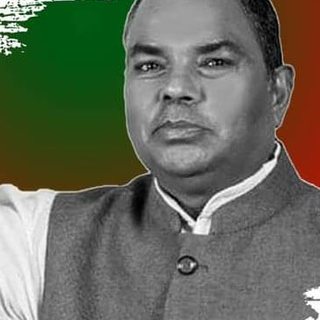
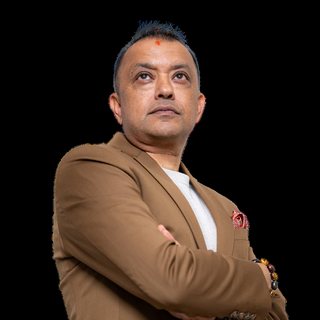
Gagan Kumar Thapaas of 2026-10-11
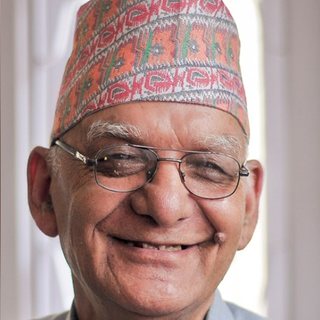
Chitra Bahadur KCas of 2026-10-11
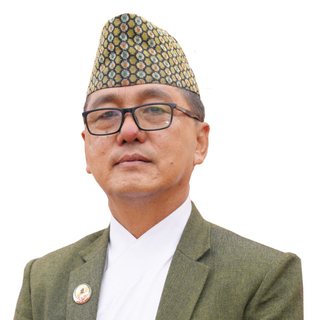
Rajendra Lingdenas of 2026-10-11
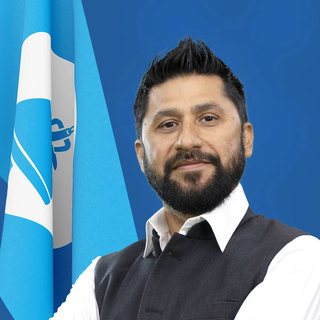
Rabi Lamichhaneas of 2026-10-11
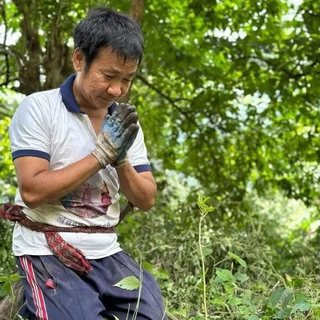
Harka Sampang Raias of 2026-10-11
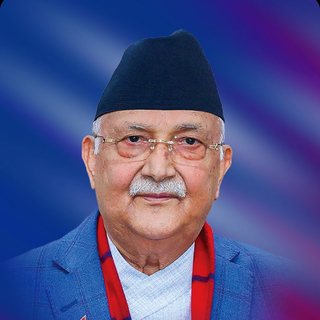
KP Sharma Olias of 2026-10-11
Leader profiles
Biography, offices held and documented record of each party’s leader, including leaders who are not in Parliament.
- रवि लामिछाने · Rabi Lamichhane RSPरास्वपा
- गगन थापा · Gagan Thapa Nepali Congressनेपाली काँग्रेस
- केपी शर्मा ओली · KP Sharma Oli CPN (UML)एमाले
- पुष्पकमल दाहाल 'प्रचण्ड' · Pushpa Kamal Dahal 'Prachanda' Nepali Communist Partyनेपाली कम्युनिष्ट पार्टी
- हर्कराज राई 'साम्पाङ' · Harka Raj Rai 'Sampang' Shram Sanskritiश्रम संस्कृति
- राजेन्द्र लिङदेन · Rajendra Lingden RPPराप्रपा
- उपेन्द्र यादव · Upendra Yadav JSP Nepalजसपा नेपाल
- चित्रबहादुर केसी · Chitra Bahadur K.C. Rastriya Janamorchaराष्ट्रिय जनमोर्चा
Members of Parliament
Members of the House of Representatives and the National Assembly, as listed in the official directory.
Known gaps
- Two National Assembly seats are not listed in the official directory. We do not know why, and we do not call them vacant.
- Exact term dates in the Gregorian calendar are not shown; Bikram Sambat dates are shown only where an official source states them. Dates are never converted.
- Biographies, speeches and votes are researched but not yet reviewed. Committee assignments are shown only where published; committee lists may be incomplete.
- Earlier parliaments since 1990 are planned and not yet included.
Names, seats, parties and committee assignments appear exactly as listed in the Federal Parliament’s official member directory on the date shown. Biographical details use separately cited public sources. This is not yet a complete profile. A missing detail means “not yet verified here”.
What is a member of Parliament for?सांसद केका लागि हुन्छन्?
A member of Parliament is a law-maker. Their job is to write, debate, improve and pass laws, to carry their constituency’s voice into Parliament, and to hold the government to account. Building roads, schools and other projects is the government’s job, not theirs.सांसद कानून निर्माता हुन्। कानून लेख्नु, छलफल गर्नु, सुधार गर्नु र पारित गर्नु, आफ्नो निर्वाचन क्षेत्रको आवाज संसद्मा पुर्याउनु, र सरकारलाई जवाफदेही बनाउनु उनीहरूको काम हो। सडक, विद्यालय र अन्य आयोजना बनाउनु सरकारको काम हो, सांसदको होइन।
Propose bills, debate them, move amendments and vote. Every federal law passes through both Houses before the President authenticates it.विधेयक प्रस्ताव गर्ने, छलफल गर्ने, संशोधन राख्ने र मतदान गर्ने। हरेक सङ्घीय कानून राष्ट्रपतिले प्रमाणीकरण गर्नुअघि दुवै सदनबाट पारित हुन्छ।
Constitution Arts 109–113Raise the problems and needs of the people they represent in the House, where they have full freedom of speech.आफूले प्रतिनिधित्व गर्ने जनताका समस्या र आवश्यकता सदनमा उठाउने, जहाँ उनीहरूलाई पूर्ण वाक् स्वतन्त्रता छ।
Constitution Art. 103(1)Question ministers, scrutinise and approve the budget, and if necessary remove a government. Ministers are collectively responsible to Parliament.मन्त्रीलाई प्रश्न गर्ने, बजेटको छानबिन गरी पारित गर्ने, र आवश्यक परे सरकार हटाउने। मन्त्रीहरू संसद्प्रति सामूहिक रूपमा उत्तरदायी हुन्छन्।
Constitution Arts 76(10), 100, 119Most detailed work happens in committees — often called “mini parliaments” — which examine bills clause by clause and monitor ministries.धेरैजसो विस्तृत काम समितिमा हुन्छ — जसलाई प्रायः “सानो संसद्” भनिन्छ — जसले विधेयक दफावार छलफल गर्छन् र मन्त्रालयको अनुगमन गर्छन्।
Constitution Art. 97See all committeesNot an MP’s job: delivering projectsसांसदको काम होइन: आयोजना ल्याउने
Roads, bridges, schools and health posts are planned and built by the executive — the federal government, provincial governments and the 753 local governments — using budgets that Parliament approves. An MP who is judged by how many projects they “brought home” is being judged for someone else’s job, and is less free to scrutinise the government that controls those projects.सडक, पुल, विद्यालय र स्वास्थ्य चौकीको योजना र निर्माण कार्यपालिकाले गर्छ — सङ्घीय सरकार, प्रदेश सरकार र ७५३ स्थानीय सरकार — संसद्ले पारित गरेको बजेटबाट। कति आयोजना “घरमा ल्याए” भनेर मूल्याङ्कन गरिने सांसदलाई अर्कैको कामका लागि मूल्याङ्कन गरिएको हुन्छ, र ती आयोजना नियन्त्रण गर्ने सरकारको छानबिन गर्न उनी कम स्वतन्त्र हुन्छन्।
Constitution Arts 75(1), 162(1), 214(1)How can you assess your MP?आफ्नो सांसदको मूल्याङ्कन कसरी गर्ने?
- Do they attend, take part and vote?के उनी उपस्थित हुन्छन्, भाग लिन्छन् र मतदान गर्छन्?
- Have they proposed, improved or seriously debated laws?के उनले कानून प्रस्ताव, सुधार वा गम्भीर छलफल गरेका छन्?
- Do they raise your constituency’s problems in the House?के उनी तपाईंको निर्वाचन क्षेत्रका समस्या सदनमा उठाउँछन्?
- Do they question ministers and check how public money is spent?के उनी मन्त्रीलाई प्रश्न गर्छन् र सार्वजनिक पैसा कसरी खर्च भयो भनी जाँच्छन्?
- Do they do real work in their committees?के उनी आफ्नो समितिमा वास्तविक काम गर्छन्?
- Do they explain their votes and positions to the public?के उनी आफ्नो मत र धारणा जनतालाई बुझाउँछन्?
Member pages do not show votes, speeches, bills or committee attendance yet. Each record is shown only after it has been checked against the official parliamentary record.सदस्यका पृष्ठमा अहिलेसम्म मतदान, भाषण, विधेयक वा समिति उपस्थिति देखाइएको छैन। हरेक अभिलेख आधिकारिक संसदीय अभिलेखसँग भिडाएपछि मात्र देखाइन्छ।
| Name | Chamber and route | Constituency or listed place | Party as listed |
|---|---|---|---|
| आकृती अवस्थी Aakriti Awasthi |
House of Representatives Elected, proportional representation |
Listed district: Dadeldhura · डडेलधुरा | राष्ट्रिय स्वतन्त्र पार्टी (Rastriya Swatantra Party) |
 आरेन राई Aaren Rai |
House of Representatives Elected, constituency (first past the post) |
Khotang-1 · खोटाङ-१ | श्रम संस्कृति पार्टी (Shram Sanskriti Party) |
 अभिषेक प्रताप शाह Abhishek Pratap Shah |
House of Representatives Elected, constituency (first past the post) |
Kapilvastu-3 · कपिलवस्तु-३ | नेपाली काँग्रेस (Nepali Congress) |
 अचुतम लामिछाने Achutam Lamichhane |
House of Representatives Elected, constituency (first past the post) |
Nuwakot-2 · नुवाकोट-२ | राष्ट्रिय स्वतन्त्र पार्टी (Rastriya Swatantra Party) |
 अफ्साना बानु Afsana Banu |
House of Representatives Elected, proportional representation |
Listed district: Kathmandu · काठमाडौ | राष्ट्रिय स्वतन्त्र पार्टी (Rastriya Swatantra Party) |
 ऐन बहादुर महर Ain Bahadur Mahar |
House of Representatives Elected, constituency (first past the post) |
Bajhang-1 · बझाङ-१ | नेपाल कम्युनिष्ट पार्टी (एमाले) (Communist Party of Nepal (Unified Marxist–Leninist)) |
| एलीजा गुरुङ Alija Gurung |
House of Representatives Elected, proportional representation |
Listed district: Gorkha · गोरखा | राष्ट्रिय स्वतन्त्र पार्टी (Rastriya Swatantra Party) |
| अमर कान्त चौधरी Amar Kant Chaudhary |
House of Representatives Elected, constituency (first past the post) |
Saptari-3 · सप्तरी-३ | राष्ट्रिय स्वतन्त्र पार्टी (Rastriya Swatantra Party) |
 अम्बिका देवी संग्रौला Ambika Devi Sangraula |
House of Representatives Elected, proportional representation |
Listed district: Sunsari · सुनसरी | श्रम संस्कृति पार्टी (Shram Sanskriti Party) |
| अमरेश कुमार सिंह Amresh Kumar Singh |
House of Representatives Elected, constituency (first past the post) |
Sarlahi-4 · सर्लाही-४ | राष्ट्रिय स्वतन्त्र पार्टी (Rastriya Swatantra Party) |
| अमृता वि.क. Amrita B.K. |
House of Representatives Elected, proportional representation |
Listed district: Nawalparasi (Bardaghat Susta Purva) · नवलपरासी (बर्दघाट सुस्ता पूर्व) | राष्ट्रिय स्वतन्त्र पार्टी (Rastriya Swatantra Party) |
| आनन्द बहादुर चन्द Ananda Bahadur Chand |
House of Representatives Elected, constituency (first past the post) |
Kailali-5 · कैलाली-५ | राष्ट्रिय स्वतन्त्र पार्टी (Rastriya Swatantra Party) |
 आनन्द प्रसाद ढुँगाना Ananda Prasad Dhungana |
National Assembly Elected to the National Assembly |
Province: Madhesh Province | नेपाली काँग्रेस (Nepali Congress) |
| अन्जान शाक्य Anjan Shakya |
National Assembly Nominated by the President |
Province: Not yet verified here | Not yet verified here |
 अंकिता ठाकुर Ankita Thakur |
House of Representatives Elected, proportional representation |
Listed district: Saptari · सप्तरी | राष्ट्रिय स्वतन्त्र पार्टी (Rastriya Swatantra Party) |
 अनुश्का श्रेष्ठ Anushka Shrestha |
House of Representatives Elected, proportional representation |
Listed district: Kathmandu · काठमाडौ | राष्ट्रिय स्वतन्त्र पार्टी (Rastriya Swatantra Party) |
| अर्जुन कुमार कार्की Arjun Kumar Karki |
House of Representatives Elected, constituency (first past the post) |
Sankhuwasabha-1 · संखुवासभा-१ | नेपाल कम्युनिष्ट पार्टी (एमाले) (Communist Party of Nepal (Unified Marxist–Leninist)) |
| अर्जुन नरसिंह के. सी. Arjun Narsingha K. C. |
House of Representatives Elected, proportional representation |
Listed district: Nuwakot · नुवाकोट | नेपाली काँग्रेस (Nepali Congress) |
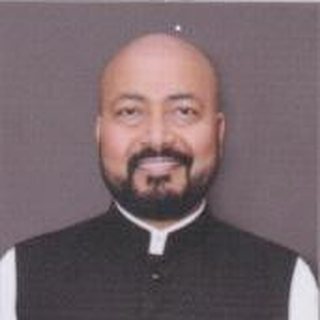 अरबिन्द साह Arvind Sah |
House of Representatives Elected, constituency (first past the post) |
Bara-3 · बारा-३ | राष्ट्रिय स्वतन्त्र पार्टी (Rastriya Swatantra Party) |
 आशा झा Asha Jha |
House of Representatives Elected, constituency (first past the post) |
Morang-5 · मोरङ-५ | राष्ट्रिय स्वतन्त्र पार्टी (Rastriya Swatantra Party) |
 आसिका तामाङ Ashika Tamang |
House of Representatives Elected, constituency (first past the post) |
Dhading-1 · धादिङ-१ | राष्ट्रिय स्वतन्त्र पार्टी (Rastriya Swatantra Party) |
 आशिष गजुरेल Ashish Gajurel |
House of Representatives Elected, constituency (first past the post) |
Sindhuli-2 · सिन्धुली-२ | राष्ट्रिय स्वतन्त्र पार्टी (Rastriya Swatantra Party) |
 अशोक कुमार चौधरी Ashok Kumar Chaudhary |
House of Representatives Elected, constituency (first past the post) |
Sunsari-3 · सुनसरी-३ | राष्ट्रिय स्वतन्त्र पार्टी (Rastriya Swatantra Party) |
| एसुदा कुमारी बराल Ashuda Kumari Baral |
House of Representatives Elected, proportional representation |
Listed district: Kalikot · कालिकोट | नेपाल कम्युनिष्ट पार्टी (एमाले) (Communist Party of Nepal (Unified Marxist–Leninist)) |
 बब्लु गुप्ता Bablu Gupta |
House of Representatives Elected, constituency (first past the post) |
Siraha-1 · सिराहा-१ | राष्ट्रिय स्वतन्त्र पार्टी (Rastriya Swatantra Party) |
| वदन कुमार भण्डारी Badan Kumar Bhandari |
House of Representatives Elected, constituency (first past the post) |
Kavrepalanchok-2 · काभ्रेपलाञ्चोक-२ | राष्ट्रिय स्वतन्त्र पार्टी (Rastriya Swatantra Party) |
 बलावती शर्मा Balawati Sharma |
House of Representatives Elected, proportional representation |
Listed district: Baglung · बाग्लुङ | नेपाली कम्युनिष्ट पार्टी (Nepali Communist Party) |
 वालेन्द्र शाह Balendra Shah |
House of Representatives Elected, constituency (first past the post) |
Jhapa-5 · झापा-५ | राष्ट्रिय स्वतन्त्र पार्टी (Rastriya Swatantra Party) |
| वर्षमान पुन Barsha Man Pun |
House of Representatives Elected, constituency (first past the post) |
Rolpa-1 · रोल्पा-१ | नेपाली कम्युनिष्ट पार्टी (Nepali Communist Party) |
 वासना थापा Bashana Thapa |
House of Representatives Elected, constituency (first past the post) |
Dailekh-1 · दैलेख-१ | नेपाली काँग्रेस (Nepali Congress) |
 वसु माया तामाङ Basu Maya Tamang |
House of Representatives Elected, proportional representation |
Listed district: Kathmandu · काठमाडौ | राष्ट्रिय स्वतन्त्र पार्टी (Rastriya Swatantra Party) |
| वासुदेव घिमिरे BasuDev Ghimire |
National Assembly Elected to the National Assembly |
Province: Lumbini Province | नेपाली काँग्रेस (Nepali Congress) |
 भरत बहादुर खड्का Bharat Bahadur Khadka |
House of Representatives Elected, constituency (first past the post) |
Doti-1 · डोटी-१ | नेपाली काँग्रेस (Nepali Congress) |
 भरत गिरी Bharat Giri |
House of Representatives Elected, proportional representation |
Listed district: Mahottari · महोत्तरी | राष्ट्रिय प्रजातन्त्र पार्टी (Rastriya Prajatantra Party) |
 भरत कुमार स्वार Bharat Kumar Swar |
House of Representatives Elected, constituency (first past the post) |
Aachham-1 · अछाम-१ | नेपाली काँग्रेस (Nepali Congress) |
 भरत प्रसाद पराजुली Bharat Prasad Parajuli |
House of Representatives Elected, constituency (first past the post) |
Sindhupalchok-1 · सिन्धुपाल्चोक-१ | राष्ट्रिय स्वतन्त्र पार्टी (Rastriya Swatantra Party) |
 भीम कुमारी बुढामगर Bhim Kumari Budhamagar |
House of Representatives Elected, proportional representation |
Listed district: Dang · दाङ | नेपाली कम्युनिष्ट पार्टी (Nepali Communist Party) |
 भुवन बहादुर सुनार Bhuban Bahadur Sunar |
National Assembly Elected by the provincial electoral college |
Province: Gandaki Province | नेपाली कम्युनिष्ट पार्टी (Nepali Communist Party) |
| भूमिका लिम्बु सुब्बा Bhumika Limbu Subba |
House of Representatives Elected, proportional representation |
Listed district: Kathmandu · काठमाडौ | नेपाल कम्युनिष्ट पार्टी (एमाले) (Communist Party of Nepal (Unified Marxist–Leninist)) |
 भुमिका श्रेष्ठ Bhumika Shrestha |
House of Representatives Elected, proportional representation |
Listed district: Kathmandu · काठमाडौ | राष्ट्रिय स्वतन्त्र पार्टी (Rastriya Swatantra Party) |
| बिक्रम खनाल Bikram Khanal |
House of Representatives Elected, constituency (first past the post) |
Nawalparasi (Bardaghat Susta Paschim)-1 · नवलपरासी (बर्दघाट सुस्ता पश्चिम)-१ | राष्ट्रिय स्वतन्त्र पार्टी (Rastriya Swatantra Party) |
 विक्रम थापा Bikram Thapa |
House of Representatives Elected, constituency (first past the post) |
Kapilvastu-2 · कपिलवस्तु-२ | राष्ट्रिय स्वतन्त्र पार्टी (Rastriya Swatantra Party) |
| विक्रम तिमिल्सिना Bikram Timilsina |
House of Representatives Elected, constituency (first past the post) |
Nuwakot-1 · नुवाकोट-१ | राष्ट्रिय स्वतन्त्र पार्टी (Rastriya Swatantra Party) |
| विना गुरुङ Bina Gurung |
House of Representatives Elected, constituency (first past the post) |
Kaski-3 · कास्की-३ | राष्ट्रिय स्वतन्त्र पार्टी (Rastriya Swatantra Party) |
 विपिन कुमार आचार्य Bipin Kumar Acharya |
House of Representatives Elected, constituency (first past the post) |
Dang-2 · दाङ-२ | राष्ट्रिय स्वतन्त्र पार्टी (Rastriya Swatantra Party) |
 विराज भक्त श्रेष्ठ Biraj Bhakta Shrestha |
House of Representatives Elected, constituency (first past the post) |
Kathmandu-8 · काठमाडौ-८ | राष्ट्रिय स्वतन्त्र पार्टी (Rastriya Swatantra Party) |
 विष्णु बहादुर खड्का Bishnu Bahadur Khadka |
House of Representatives Elected, constituency (first past the post) |
Surkhet-1 · सुर्खेत-१ | नेपाली काँग्रेस (Nepali Congress) |
| बिष्णु माया बि. क. Bishnu Maya B.K. |
House of Representatives Elected, proportional representation |
Listed district: Tanahun · तनहुँ | नेपाल कम्युनिष्ट पार्टी (एमाले) (Communist Party of Nepal (Unified Marxist–Leninist)) |
 विष्णुबहादुर विश्वकर्मा BishnuBahadur Bishokarma |
National Assembly Elected to the National Assembly |
Province: Karnali Province | नेपाली कम्युनिष्ट पार्टी (Nepali Communist Party) |
 विष्णुदेवी पुडासैनी BishnuDevi Pudasaini |
National Assembly Elected to the National Assembly |
Province: Bagmati Province | नेपाली काँग्रेस (Nepali Congress) |
| विष्णुकुमारी सापकोटा BishnuKumari Sapkota |
National Assembly Elected to the National Assembly |
Province: Lumbini Province | नेपाली काँग्रेस (Nepali Congress) |
| बिश्वराज पोखरेल Bishwaraj Pokharel |
House of Representatives Elected, constituency (first past the post) |
Okhaldhunga-1 · ओखलढुंगा-१ | राष्ट्रिय स्वतन्त्र पार्टी (Rastriya Swatantra Party) |
 बोध नारायण श्रेष्ठ Bodha Narayan Shrestha |
House of Representatives Elected, constituency (first past the post) |
Dhading-2 · धादिङ-२ | राष्ट्रिय स्वतन्त्र पार्टी (Rastriya Swatantra Party) |
 बुद्ध रत्न महर्जन Buddha Ratna Maharjan |
House of Representatives Elected, constituency (first past the post) |
Lalitpur-1 · ललितपुर-१ | राष्ट्रिय स्वतन्त्र पार्टी (Rastriya Swatantra Party) |
 बुद्धि प्रसाद पन्त Budhi prasad Pant |
House of Representatives Elected, constituency (first past the post) |
Parsa-1 · पर्सा-१ | राष्ट्रिय स्वतन्त्र पार्टी (Rastriya Swatantra Party) |
 चन्दन कुमार सिंह Chandan Kumar singh |
House of Representatives Elected, constituency (first past the post) |
Bara-2 · बारा-२ | राष्ट्रिय स्वतन्त्र पार्टी (Rastriya Swatantra Party) |
 चन्देश्वर मण्डल Chandeshwar Mandal |
House of Representatives Elected, proportional representation |
Listed district: Siraha · सिराहा | नेपाल कम्युनिष्ट पार्टी (एमाले) (Communist Party of Nepal (Unified Marxist–Leninist)) |
| चन्द्र बहादुर केसी Chandra Bahadur K.C. |
National Assembly Not stated in the National Assembly listing |
Listed district: Gulmi · गुल्मि | नेपाली काँग्रेस (Nepali Congress) |
| चन्द्र मोहन यादव Chandra Mohan Yadav |
House of Representatives Elected, proportional representation |
Listed district: Dhanusha · धनुषा | नेपाली काँग्रेस (Nepali Congress) |
| दीपक कुमार साह (सुनसरी) Deepak Kumar Sah |
House of Representatives Elected, constituency (first past the post) |
Sunsari-4 · सुनसरी-४ | राष्ट्रिय स्वतन्त्र पार्टी (Rastriya Swatantra Party) |
 दिपक राज बोहरा Deepak Raj Bohara |
House of Representatives Elected, constituency (first past the post) |
Kanchanpur-2 · कञ्चनपुर-२ | राष्ट्रिय स्वतन्त्र पार्टी (Rastriya Swatantra Party) |
| देव राज पाठक Dev Raj Pathak |
House of Representatives Elected, constituency (first past the post) |
Dang-1 · दाङ-१ | राष्ट्रिय स्वतन्त्र पार्टी (Rastriya Swatantra Party) |
 धन बहादुर बुढा Dhan Bahadur Budha |
House of Representatives Elected, constituency (first past the post) |
Dolpa-1 · डोल्पा-१ | नेपाली कम्युनिष्ट पार्टी (Nepali Communist Party) |
| धनञ्जय रेग्मी Dhananjay Regmi |
House of Representatives Elected, constituency (first past the post) |
Syangja-1 · स्याङजा-१ | राष्ट्रिय स्वतन्त्र पार्टी (Rastriya Swatantra Party) |
 धनेन्द्र कार्की Dhanendra karki |
House of Representatives Elected, constituency (first past the post) |
Sindhuli-1 · सिन्धुली-१ | राष्ट्रिय स्वतन्त्र पार्टी (Rastriya Swatantra Party) |
| धर्मराज के.सी. Dharma Raj K.C |
House of Representatives Elected, constituency (first past the post) |
Lamjung-1 · लमजुङ-१ | राष्ट्रिय स्वतन्त्र पार्टी (Rastriya Swatantra Party) |
 धर्मेन्द्र पासवान Dharmendra Paswan |
National Assembly Elected to the National Assembly |
Province: Madhesh Province | नेपाली काँग्रेस (Nepali Congress) |
| ध्रुव राज राई Dhurba Raj Rai |
House of Representatives Elected, constituency (first past the post) |
Bhojpur-1 · भोजपुर-१ | श्रम संस्कृति पार्टी (Shram Sanskriti Party) |
| दिपक कुमार साह (महोत्तरी) Dipak Kumar Sah |
House of Representatives Elected, constituency (first past the post) |
Mahottari-2 · महोत्तरी-२ | राष्ट्रिय स्वतन्त्र पार्टी (Rastriya Swatantra Party) |
 डोल प्रसाद अर्याल Dol Prasad Aryal |
House of Representatives Elected, constituency (first past the post) |
Kathmandu-9 · काठमाडौ-९ | राष्ट्रिय स्वतन्त्र पार्टी (Rastriya Swatantra Party) |
 दुर्गा कुमारी गुरुङ्ग Durga Kumari Gurung |
National Assembly Elected by the provincial electoral college |
Province: Karnali Province | नेपाली काँग्रेस (Nepali Congress) |
 गजाला शमीम मिकरानी Gajala Shamim Mikrani |
House of Representatives Elected, proportional representation |
Listed district: Rautahat · रौतहट | राष्ट्रिय स्वतन्त्र पार्टी (Rastriya Swatantra Party) |
 गणेश बहादुर विश्वकर्मा Ganesh Bahadur Bishwakarma |
House of Representatives Elected, proportional representation |
Listed district: Bajhang · बझाङ | नेपाली कम्युनिष्ट पार्टी (Nepali Communist Party) |
 गणेश धिमाल Ganesh Dhimal |
House of Representatives Elected, constituency (first past the post) |
Bara-1 · बारा-१ | राष्ट्रिय स्वतन्त्र पार्टी (Rastriya Swatantra Party) |
 गणेश कार्की Ganesh Karki |
House of Representatives Elected, constituency (first past the post) |
Morang-3 · मोरङ-३ | राष्ट्रिय स्वतन्त्र पार्टी (Rastriya Swatantra Party) |
 गणेश पराजुली Ganesh Parajuli |
House of Representatives Elected, constituency (first past the post) |
Kathmandu-7 · काठमाडौ-७ | राष्ट्रिय स्वतन्त्र पार्टी (Rastriya Swatantra Party) |
 गणेश पौडेल Ganesh Poudel |
House of Representatives Elected, constituency (first past the post) |
Rautahat-4 · रौतहट-४ | राष्ट्रिय स्वतन्त्र पार्टी (Rastriya Swatantra Party) |
 गणेश सिंह ठगुन्ना Ganesh Singh Thagunna |
House of Representatives Elected, constituency (first past the post) |
Darchula-1 · दार्चुला-१ | नेपाल कम्युनिष्ट पार्टी (एमाले) (Communist Party of Nepal (Unified Marxist–Leninist)) |
 गंगा छन्त्याल Ganga Chhantyal |
House of Representatives Elected, proportional representation |
Listed district: Baglung · बाग्लुङ | राष्ट्रिय स्वतन्त्र पार्टी (Rastriya Swatantra Party) |
| गंगा देबी श्रेष्ठ Ganga Devi Shrestha |
House of Representatives Elected, proportional representation |
Listed district: Dhading · धादिङ | नेपाल कम्युनिष्ट पार्टी (एमाले) (Communist Party of Nepal (Unified Marxist–Leninist)) |
 गंगालक्ष्मी अवाल Ganga Laxmi Awal |
House of Representatives Elected, proportional representation |
Listed district: Bhaktapur · भक्तपुर | नेपाली काँग्रेस (Nepali Congress) |
 गौरी कुमारी Gauri Kumari |
House of Representatives Elected, constituency (first past the post) |
Mahottari-4 · महोत्तरी-४ | राष्ट्रिय स्वतन्त्र पार्टी (Rastriya Swatantra Party) |
 गीता कुमारी सेन्दाङ Geeta Kumari Sendang |
House of Representatives Elected, proportional representation |
Listed district: Taplejung · ताप्लेजुङ | नेपाली काँग्रेस (Nepali Congress) |
 घनश्याम रिजाल Ghanashyam Rijal |
National Assembly Elected to the National Assembly |
Province: Bagmati Province | नेपाली कम्युनिष्ट पार्टी (Nepali Communist Party) |
 गिता चौधरी Gita Chaudhari |
House of Representatives Elected, proportional representation |
Listed district: Kanchanpur · कञ्चनपुर | राष्ट्रिय स्वतन्त्र पार्टी (Rastriya Swatantra Party) |
| गीता देवकोटा Gita Devkota |
National Assembly Not stated in the National Assembly listing |
Listed district: Chitwan · चितवन | नेपाली काँग्रेस (Nepali Congress) |
 गीता गुरुङ Gita Gurung |
House of Representatives Elected, proportional representation |
Listed district: Solukhumbu · सोलुखुम्बु | नेपाली काँग्रेस (Nepali Congress) |
| गोमा देवी तिमल्सिना Goma Devi Timilsina |
National Assembly Elected by the provincial electoral college |
Province: Bagmati Province | नेपाली कम्युनिष्ट पार्टी (Nepali Communist Party) |
 गोपाल कुमार बस्नेत Gopal Kumar Basnet |
National Assembly Elected by the provincial electoral college |
Province: Koshi Province | नेपाली काँग्रेस (Nepali Congress) |
 गोपाल शर्मा Gopal Sharma |
House of Representatives Elected, constituency (first past the post) |
Rukum West-1 · रुकुम पश्चिम-१ | नेपाली कम्युनिष्ट पार्टी (Nepali Communist Party) |
 गोविन्द पन्थी Govind Panthi |
House of Representatives Elected, constituency (first past the post) |
Gulmi-2 · गुल्मी-२ | राष्ट्रिय स्वतन्त्र पार्टी (Rastriya Swatantra Party) |
 गुरु प्रसाद बराल Guru Prasad Baral |
House of Representatives Elected, proportional representation |
Listed district: Morang · मोरङ | नेपाल कम्युनिष्ट पार्टी (एमाले) (Communist Party of Nepal (Unified Marxist–Leninist)) |
 ज्ञान बहादुर शाही Gyan Bahadur Shahi |
House of Representatives Elected, constituency (first past the post) |
Jumla-1 · जुम्ला-१ | राष्ट्रिय प्रजातन्त्र पार्टी (Rastriya Prajatantra Party) |
| ज्ञानेन्द्रसिंह महता GyanendraSingh Mahata |
House of Representatives Elected, constituency (first past the post) |
Kanchanpur-3 · कञ्चनपुर-३ | राष्ट्रिय स्वतन्त्र पार्टी (Rastriya Swatantra Party) |
 ज्ञानु पौड्याल Gyanu Poudyal |
House of Representatives Elected, proportional representation |
Listed district: Bardiya · बर्दिया | राष्ट्रिय स्वतन्त्र पार्टी (Rastriya Swatantra Party) |
 हरि ढकाल Hari Dhakal |
House of Representatives Elected, constituency (first past the post) |
Chitwan-1 · चितवन-१ | राष्ट्रिय स्वतन्त्र पार्टी (Rastriya Swatantra Party) |
 हरि प्रसाद भुसाल Hari Prasad Bhusal |
House of Representatives Elected, constituency (first past the post) |
Arghakhanchi-1 · अर्घाखाँची-१ | राष्ट्रिय स्वतन्त्र पार्टी (Rastriya Swatantra Party) |
| हरिमोहन भण्डारी Harimohan Bhandari |
House of Representatives Elected, constituency (first past the post) |
Baitadi-1 · बैतडी-१ | राष्ट्रिय स्वतन्त्र पार्टी (Rastriya Swatantra Party) |
 हरिना देवी कामी Harina Devi Kami |
House of Representatives Elected, proportional representation |
Listed district: Dadeldhura · डडेलधुरा | नेपाली काँग्रेस (Nepali Congress) |
| हर्कराज राई Harka Raj Rai |
House of Representatives Elected, constituency (first past the post) |
Sunsari-1 · सुनसरी-१ | श्रम संस्कृति पार्टी (Shram Sanskriti Party) |
 इन्दिरा राना Indira Rana |
House of Representatives Elected, constituency (first past the post) |
Jhapa-2 · झापा-२ | राष्ट्रिय स्वतन्त्र पार्टी (Rastriya Swatantra Party) |
 जगदिश खरेल (दोलखा) Jagadish Kharel (Dolkha) |
House of Representatives Elected, constituency (first past the post) |
Dolakha-1 · दोलखा-१ | राष्ट्रिय स्वतन्त्र पार्टी (Rastriya Swatantra Party) |
 जगत बहादुर पार्की Jagat Bahadur Parki |
National Assembly Elected by the provincial electoral college |
Province: Sudurpaschim Province | नेपाली कम्युनिष्ट पार्टी (Nepali Communist Party) |
 जगत प्रसाद जोशी Jagat Prasad Joshi |
House of Representatives Elected, constituency (first past the post) |
Kailali-3 · कैलाली-३ | राष्ट्रिय स्वतन्त्र पार्टी (Rastriya Swatantra Party) |
 जगत तिमिल्सिना Jagat Timilsina |
National Assembly Elected to the National Assembly |
Province: Gandaki Province | नेपाली काँग्रेस (Nepali Congress) |
 जगदिश खरेल (ललितपुर) Jagdish Kharel (Lalitpur) |
House of Representatives Elected, constituency (first past the post) |
Lalitpur-2 · ललितपुर-२ | राष्ट्रिय स्वतन्त्र पार्टी (Rastriya Swatantra Party) |
 जनक राज गिरी Janak Raj Giri |
House of Representatives Elected, constituency (first past the post) |
Bajura-1 · बाजुरा-१ | नेपाली काँग्रेस (Nepali Congress) |
 जनक सिंह धामी Janak Singh Dhami |
House of Representatives Elected, constituency (first past the post) |
Kanchanpur-1 · कञ्चनपुर-१ | राष्ट्रिय स्वतन्त्र पार्टी (Rastriya Swatantra Party) |
 जयन्ती देवी राई Jayanti Devi Rai |
National Assembly Elected by the provincial electoral college |
Province: Koshi Province | नेपाली कम्युनिष्ट पार्टी (Nepali Communist Party) |
| जयपती रोकाय Jayapati Rokaya |
House of Representatives Elected, constituency (first past the post) |
Humla-1 · हुम्ला-१ | नेपाली काँग्रेस (Nepali Congress) |
| झविलाल डुम्रे Jhabilal Dumre |
House of Representatives Elected, constituency (first past the post) |
Syangja-2 · स्याङजा-२ | राष्ट्रिय स्वतन्त्र पार्टी (Rastriya Swatantra Party) |
 झक्कु प्रसाद सुवेदी Jhakku Prasad Subedi |
National Assembly Elected to the National Assembly |
Province: Lumbini Province | नेपाली कम्युनिष्ट पार्टी (Nepali Communist Party) |
 जित जंग बस्नेत Jit Jung Basnet |
National Assembly Elected to the National Assembly |
Listed district: Lalitpur · ललितपूर | नेपाली काँग्रेस (Nepali Congress) |
 जोग कुमार बरबरिया यादव Jog Kumar Barbaria yadav |
House of Representatives Elected, proportional representation |
Listed district: Dhanusha · धनुषा | नेपाली कम्युनिष्ट पार्टी (Nepali Communist Party) |
| के. पी. खनाल K.P. Khanal |
House of Representatives Elected, constituency (first past the post) |
Kailali-2 · कैलाली-२ | राष्ट्रिय स्वतन्त्र पार्टी (Rastriya Swatantra Party) |
 कविन्द्र बुर्लाकोटी Kabindra Burlakoti |
House of Representatives Elected, constituency (first past the post) |
Gorkha-2 · गोरखा-२ | राष्ट्रिय स्वतन्त्र पार्टी (Rastriya Swatantra Party) |
| काली बहादुर सहकारी Kali Bahadur Sahakari |
House of Representatives Elected, proportional representation |
Listed district: Kalikot · कालिकोट | नेपाली काँग्रेस (Nepali Congress) |
| कमल सुवेदी Kamal Subedi |
House of Representatives Elected, constituency (first past the post) |
Dang-3 · दाङ-३ | राष्ट्रिय स्वतन्त्र पार्टी (Rastriya Swatantra Party) |
 कमला देवी पन्त Kamala Devi Pant |
National Assembly Elected by the provincial electoral college |
Province: Gandaki Province | नेपाली काँग्रेस (Nepali Congress) |
 कामिनी कुमारी Kamini Kumari |
House of Representatives Elected, proportional representation |
Listed district: Mahottari · महोत्तरी | राष्ट्रिय स्वतन्त्र पार्टी (Rastriya Swatantra Party) |
 कन्हैया बनिया Kanhaiya Baniya |
House of Representatives Elected, constituency (first past the post) |
Rupandehi-4 · रूपन्देही-४ | राष्ट्रिय स्वतन्त्र पार्टी (Rastriya Swatantra Party) |
 करिश्मा कठरिया Karishma Kathariya |
House of Representatives Elected, proportional representation |
Listed district: Kailali · कैलाली | राष्ट्रिय स्वतन्त्र पार्टी (Rastriya Swatantra Party) |
| खडक बहादुर बुढा Khadak Bahadur Budha |
House of Representatives Elected, constituency (first past the post) |
Jajarkot-1 · जाजरकोट-१ | नेपाली काँग्रेस (Nepali Congress) |
 खडक राज पौडेल Khadak Raj Paudel |
House of Representatives Elected, constituency (first past the post) |
Kaski-1 · कास्की-१ | राष्ट्रिय स्वतन्त्र पार्टी (Rastriya Swatantra Party) |
 खड्ग शाही Khadga Shahi |
House of Representatives Elected, constituency (first past the post) |
Mugu-1 · मुगु-१ | नेपाली काँग्रेस (Nepali Congress) |
 खगेन्द्र कर्ण Khagendra Karna |
House of Representatives Elected, proportional representation |
Listed district: Saptari · सप्तरी | राष्ट्रिय स्वतन्त्र पार्टी (Rastriya Swatantra Party) |
 खगेन्द्र सुनार Khagendra Sunar |
House of Representatives Elected, constituency (first past the post) |
Banke-3 · बाँके-३ | राष्ट्रिय स्वतन्त्र पार्टी (Rastriya Swatantra Party) |
 खम्म बहादुर खाती Khamma Bahadur Khati |
National Assembly Not stated in the National Assembly listing |
Listed district: Bajura · बाजुरा | नेपाली काँग्रेस (Nepali Congress) |
| खेम राज कोइराला Khem Raj Koirala |
House of Representatives Elected, constituency (first past the post) |
Kailali-4 · कैलाली-४ | राष्ट्रिय स्वतन्त्र पार्टी (Rastriya Swatantra Party) |
| खिमा वि. क. Khima B. K. |
House of Representatives Elected, proportional representation |
Listed district: Dang · दाङ | राष्ट्रिय स्वतन्त्र पार्टी (Rastriya Swatantra Party) |
 खुश्बु ओली Khusbu Oli |
House of Representatives Elected, proportional representation |
Listed district: Jhapa · झापा | राष्ट्रिय प्रजातन्त्र पार्टी (Rastriya Prajatantra Party) |
 खुसबु सरकार श्रेष्ठ Khusbu Sarkar Shrestha |
House of Representatives Elected, proportional representation |
Listed district: Lalitpur · ललितपुर | राष्ट्रिय स्वतन्त्र पार्टी (Rastriya Swatantra Party) |
 किरण बाबु श्रेष्ठ Kiran Babu Shrestha |
National Assembly Elected to the National Assembly |
Province: Gandaki Province | नेपाली काँग्रेस (Nepali Congress) |
 कोमल ज्ञवाली Komal Gewali |
House of Representatives Elected, constituency (first past the post) |
Kailali-1 · कैलाली-१ | राष्ट्रिय स्वतन्त्र पार्टी (Rastriya Swatantra Party) |
 क्रान्तिशिखा धिताल Krantishikha Dhital |
House of Representatives Elected, proportional representation |
Listed district: Dang · दाङ | राष्ट्रिय स्वतन्त्र पार्टी (Rastriya Swatantra Party) |
 कृपा महर्जन Kripa Maharjan |
House of Representatives Elected, proportional representation |
Listed district: Kathmandu · काठमाडौ | राष्ट्रिय स्वतन्त्र पार्टी (Rastriya Swatantra Party) |
| कृपा राम राना Kripa Ram Rana |
House of Representatives Elected, proportional representation |
Listed district: Kanchanpur · कञ्चनपुर | नेपाल कम्युनिष्ट पार्टी (एमाले) (Communist Party of Nepal (Unified Marxist–Leninist)) |
 कृष्ण बहादुर रोकाय Krishna Bahadur Rokaya |
National Assembly Elected to the National Assembly |
Province: Karnali Province | नेपाली काँग्रेस (Nepali Congress) |
| कृष्णहरि बुढाथोकी Krishna Hari Budhathoki |
House of Representatives Elected, constituency (first past the post) |
Ramechhap-1 · रामेछाप-१ | राष्ट्रिय स्वतन्त्र पार्टी (Rastriya Swatantra Party) |
 कृष्ण कुमार कार्की Krishna Kumar Karki |
House of Representatives Elected, constituency (first past the post) |
Morang-2 · मोरङ-२ | राष्ट्रिय स्वतन्त्र पार्टी (Rastriya Swatantra Party) |
 कृष्ण प्रसाद पौडेल Krishna Prasad Paudel |
National Assembly Elected by the provincial electoral college |
Province: Bagmati Province | नेपाली काँग्रेस (Nepali Congress) |
 कृष्ण प्रसाद सिटौला Krishna Prasad Sitaula |
National Assembly Elected to the National Assembly |
Listed district: Jhapa · झापा | नेपाली काँग्रेस (Nepali Congress) |
| क्षितिज थेवे Kshitij Thebe |
House of Representatives Elected, constituency (first past the post) |
Taplejung-1 · ताप्लेजुङ-१ | नेपाल कम्युनिष्ट पार्टी (एमाले) (Communist Party of Nepal (Unified Marxist–Leninist)) |
 कुल भक्त शाक्य Kul Bhakta Shakya |
House of Representatives Elected, proportional representation |
Listed district: Kathmandu · काठमाडौ | नेपाल कम्युनिष्ट पार्टी (एमाले) (Communist Party of Nepal (Unified Marxist–Leninist)) |
 कुसुम महर्जन Kushum Maharjan |
House of Representatives Elected, proportional representation |
Listed district: Kathmandu · काठमाडौ | राष्ट्रिय स्वतन्त्र पार्टी (Rastriya Swatantra Party) |
| लाल विक्रम थापा Lal Bikram Thapa |
House of Representatives Elected, constituency (first past the post) |
Sunsari-2 · सुनसरी-२ | राष्ट्रिय स्वतन्त्र पार्टी (Rastriya Swatantra Party) |
| ललित जङ्ग शाही Lalit Jung Shahi |
National Assembly Elected to the National Assembly |
Province: Karnali Province | नेपाली काँग्रेस (Nepali Congress) |
| ललिता कुमारी Lalita Kumari |
House of Representatives Elected, proportional representation |
Listed district: Siraha · सिराहा | राष्ट्रिय स्वतन्त्र पार्टी (Rastriya Swatantra Party) |
 लक्ष्मी प्रसाद पोखरेल Laxmi Prasad Pokharel |
House of Representatives Elected, constituency (first past the post) |
Dailekh-2 · दैलेख-२ | नेपाल कम्युनिष्ट पार्टी (एमाले) (Communist Party of Nepal (Unified Marxist–Leninist)) |
| लेख्जङ्ग थापा Lekhjung Thapa |
House of Representatives Elected, constituency (first past the post) |
Rupandehi-3 · रूपन्देही-३ | राष्ट्रिय स्वतन्त्र पार्टी (Rastriya Swatantra Party) |
 लिला कुमारी भण्डारी Lila Kumari Bhandari |
National Assembly Elected to the National Assembly |
Province: Sudurpaschim Province | नेपाल कम्युनिष्ट पार्टी (एमाले) (Communist Party of Nepal (Unified Marxist–Leninist)) |
| लिमा अधिकारी आचार्य Lima Adhikari Acharya |
House of Representatives Elected, proportional representation |
Listed district: Kathmandu · काठमाडौ | राष्ट्रिय स्वतन्त्र पार्टी (Rastriya Swatantra Party) |
 मदन कृष्ण श्रेष्ठ Madan Krishna Shrestha |
House of Representatives Elected, proportional representation |
Listed district: Bhaktapur · भक्तपुर | नेपाली काँग्रेस (Nepali Congress) |
| मदन कुमारी शाह गरिमा Madan Kumari Shah (Garima) |
National Assembly Elected by the provincial electoral college |
Province: Sudurpaschim Province | नेपाली कम्युनिष्ट पार्टी (Nepali Communist Party) |
 माधव बहादुर थापा Madhav Bahadur Thapa |
House of Representatives Elected, constituency (first past the post) |
Palpa-2 · पाल्पा-२ | राष्ट्रिय स्वतन्त्र पार्टी (Rastriya Swatantra Party) |
 मधु कुमार चौलागाई Madhu Kumar Chaulagain |
House of Representatives Elected, constituency (first past the post) |
Kavrepalanchok-1 · काभ्रेपलाञ्चोक-१ | राष्ट्रिय स्वतन्त्र पार्टी (Rastriya Swatantra Party) |
 महावीर पुन Mahabir Pun |
House of Representatives Elected, constituency (first past the post) |
Myagdi-1 · म्याग्दी-१ | स्वतन्त्र (Independent) |
 महन्थ ठाकुर Mahanth Thakur |
National Assembly Not stated in the National Assembly listing |
Listed district: Mahottari · महोत्तरी | जनता समाजवादी पार्टी नेपाल (Janata Samajbadi Party Nepal) |
 महेन्द्र बहादुर शाही Mahendra Bahadur Shahi |
House of Representatives Elected, constituency (first past the post) |
Kalikot-1 · कालिकोट-१ | नेपाली कम्युनिष्ट पार्टी (Nepali Communist Party) |
 मनिष झा Manish Jha |
House of Representatives Elected, constituency (first past the post) |
Dhanusha-3 · धनुषा-३ | राष्ट्रिय स्वतन्त्र पार्टी (Rastriya Swatantra Party) |
 मनिष खनाल Manish Khanal |
House of Representatives Elected, constituency (first past the post) |
Nawalparasi (Bardaghat Susta Purva)-2 · नवलपरासी (बर्दघाट सुस्ता पूर्व)-२ | राष्ट्रिय स्वतन्त्र पार्टी (Rastriya Swatantra Party) |
 मन्जु भुसाल Manju Bhusal |
House of Representatives Elected, proportional representation |
Listed district: Rupandehi · रूपन्देही | राष्ट्रिय स्वतन्त्र पार्टी (Rastriya Swatantra Party) |
 मनमाया विश्वकर्मा Manmaya Bishowkarma |
House of Representatives Elected, proportional representation |
Listed district: Jhapa · झापा | नेपाली काँग्रेस (Nepali Congress) |
 मनरुपा शर्मा Manrupa Sharma |
National Assembly Elected to the National Assembly |
Province: Gandaki Province | नेपाली कम्युनिष्ट पार्टी (Nepali Communist Party) |
 मातृका प्रसाद यादव Matrika Prasad Yadav |
House of Representatives Elected, constituency (first past the post) |
Dhanusha-1 · धनुषा-१ | नेपाली कम्युनिष्ट पार्टी (Nepali Communist Party) |
| मो फिरदोश आलम MD. Firdaush Alam |
House of Representatives Elected, constituency (first past the post) |
Rautahat-2 · रौतहट-२ | नेपाली काँग्रेस (Nepali Congress) |
 मिना सिंह रखाल Mina Singh Rakhal |
National Assembly Elected to the National Assembly |
Province: Karnali Province | नेपाल कम्युनिष्ट पार्टी (एमाले) (Communist Party of Nepal (Unified Marxist–Leninist)) |
 मिङमा ग्याबु शेर्पा Mingma Gyabu Sherpa |
House of Representatives Elected, proportional representation |
Listed district: Taplejung · ताप्लेजुङ | राष्ट्रिय स्वतन्त्र पार्टी (Rastriya Swatantra Party) |
 मोहम्मद इश्तियाक राई Mohammad Ishtiyaq Rayi |
House of Representatives Elected, constituency (first past the post) |
Banke-2 · बाँके-२ | नेपाल कम्युनिष्ट पार्टी (एमाले) (Communist Party of Nepal (Unified Marxist–Leninist)) |
 मोहम्मद खालिद Mohammed Khalid |
National Assembly Elected by the provincial electoral college |
Province: Madhesh Province | जनता समाजवादी पार्टी नेपाल (Janata Samajbadi Party Nepal) |
 मोहन आचार्य Mohan Acharya |
House of Representatives Elected, constituency (first past the post) |
Rasuwa-1 · रसुवा-१ | नेपाली काँग्रेस (Nepali Congress) |
 मोहन लाल आचार्य Mohan Lal Acharya |
House of Representatives Elected, constituency (first past the post) |
Kapilvastu-1 · कपिलवस्तु-१ | राष्ट्रिय स्वतन्त्र पार्टी (Rastriya Swatantra Party) |
 नर बहादुर विष्ट Nar Bahadur Bista |
National Assembly Elected by the provincial electoral college |
Province: Karnali Province | नेपाली कम्युनिष्ट पार्टी (Nepali Communist Party) |
 नारायण दत्त भट्ट Narayan Datta Bhatta |
National Assembly Elected to the National Assembly |
Listed district: Kailali · कैलाली | नेपाली काँग्रेस (Nepali Congress) |
 नारायण दत्त मिश्र Narayan Dutta Mishra |
National Assembly Elected by the provincial electoral college |
Province: Sudurpaschim Province | नेपाली काँग्रेस (Nepali Congress) |
 नारायण प्रसाद दाहाल Narayan Prasad Dahal |
National Assembly Nominated by the President |
Province: Not yet verified here | Not yet verified here |
 नरेन्द्र कुमार गुप्ता Narendra Kumar Gupta |
House of Representatives Elected, constituency (first past the post) |
Nawalparasi (Bardaghat Susta Paschim)-2 · नवलपरासी (बर्दघाट सुस्ता पश्चिम)-२ | राष्ट्रिय स्वतन्त्र पार्टी (Rastriya Swatantra Party) |
| नरेन्द्र कुमार केरुङ्ग Narendra Kumar Kerung |
House of Representatives Elected, constituency (first past the post) |
Panchthar-1 · पाँचथर-१ | नेपाली काँग्रेस (Nepali Congress) |
 नरेन्द्र साह कलवार Narendra Sah Kalwar |
House of Representatives Elected, constituency (first past the post) |
Sarlahi-3 · सर्लाही-३ | राष्ट्रिय स्वतन्त्र पार्टी (Rastriya Swatantra Party) |
 निशा मेहता Neesha Mehta |
House of Representatives Elected, proportional representation |
Listed district: Sunsari · सुनसरी | राष्ट्रिय स्वतन्त्र पार्टी (Rastriya Swatantra Party) |
 नीनु कुमारी कर्ण Ninu Kumari Karn |
House of Representatives Elected, proportional representation |
Listed district: Mahottari · महोत्तरी | नेपाली काँग्रेस (Nepali Congress) |
 निराशा चौधरी (डगौरा) Nirasha Chaudhary (Dagaura) |
House of Representatives Elected, proportional representation |
Listed district: Kanchanpur · कञ्चनपुर | नेपाली कम्युनिष्ट पार्टी (Nepali Communist Party) |
 निशा डाँगी Nisha Dangi |
House of Representatives Elected, constituency (first past the post) |
Jhapa-1 · झापा-१ | राष्ट्रिय स्वतन्त्र पार्टी (Rastriya Swatantra Party) |
 निश्कल राई Nishcal Rai |
House of Representatives Elected, constituency (first past the post) |
Ilam-1 · इलाम-१ | नेपाली काँग्रेस (Nepali Congress) |
| निता घतानी Nita Ghatani |
House of Representatives Elected, proportional representation |
Listed district: Jhapa · झापा | नेपाल कम्युनिष्ट पार्टी (एमाले) (Communist Party of Nepal (Unified Marxist–Leninist)) |
 नितिमा भण्डारी (कार्की) Nitima Bhandari (Karki) |
House of Representatives Elected, constituency (first past the post) |
Sarlahi-1 · सर्लाही-१ | राष्ट्रिय स्वतन्त्र पार्टी (Rastriya Swatantra Party) |
| ओजस्वी शेरचन Ojaswee Sherchan |
House of Representatives Elected, proportional representation |
Listed district: Kathmandu · काठमाडौ | राष्ट्रिय स्वतन्त्र पार्टी (Rastriya Swatantra Party) |
| पवित्रा वि. क. Pabitra B.K. |
House of Representatives Elected, proportional representation |
Listed district: Makwanpur · मकवानपुर | नेपाली काँग्रेस (Nepali Congress) |
 पदम बहादुर परियार Padam Bahadur Pariyar |
National Assembly Elected to the National Assembly |
Province: Gandaki Province | नेपाली काँग्रेस (Nepali Congress) |
 पद्मा कुमारी अर्याल Padma Kumari Aryal |
House of Representatives Elected, proportional representation |
Listed district: Syangja · स्याङजा | नेपाल कम्युनिष्ट पार्टी (एमाले) (Communist Party of Nepal (Unified Marxist–Leninist)) |
 पारश मणि गेलाल Parash Madi Gelal |
House of Representatives Elected, constituency (first past the post) |
Udayapur-1 · उदयपुर-१ | राष्ट्रिय स्वतन्त्र पार्टी (Rastriya Swatantra Party) |
| पार्वती वि क Parbati B.K. |
House of Representatives Elected, proportional representation |
Listed district: Jajarkot · जाजरकोट | नेपाली कम्युनिष्ट पार्टी (Nepali Communist Party) |
| परशुराम तामाङ Parshuram Tamang |
House of Representatives Elected, proportional representation |
Listed district: Kathmandu · काठमाडौ | नेपाली कम्युनिष्ट पार्टी (Nepali Communist Party) |
 पूनम कुमारी अग्रवाल Poonam Kumari Agrawal |
House of Representatives Elected, proportional representation |
Listed district: Siraha · सिराहा | राष्ट्रिय स्वतन्त्र पार्टी (Rastriya Swatantra Party) |
 प्रभा ढकाल Prabha Dhakal |
House of Representatives Elected, proportional representation |
Listed district: Bara · बारा | राष्ट्रिय स्वतन्त्र पार्टी (Rastriya Swatantra Party) |
 प्रभा कार्की Prabha Karki |
House of Representatives Elected, proportional representation |
Listed district: Lalitpur · ललितपुर | राष्ट्रिय स्वतन्त्र पार्टी (Rastriya Swatantra Party) |
| प्रदीप विष्ट Pradip Bista |
House of Representatives Elected, constituency (first past the post) |
Kathmandu-10 · काठमाडौ-१० | राष्ट्रिय स्वतन्त्र पार्टी (Rastriya Swatantra Party) |
 प्रकाश चन्द्र परियार Prakash Chandra Pariyar |
House of Representatives Elected, proportional representation |
Listed district: Sunsari · सुनसरी | राष्ट्रिय स्वतन्त्र पार्टी (Rastriya Swatantra Party) |
 प्रकाश गौतम Prakash Gautam |
House of Representatives Elected, constituency (first past the post) |
Makwanpur-1 · मकवानपुर-१ | राष्ट्रिय स्वतन्त्र पार्टी (Rastriya Swatantra Party) |
 प्रकाश पाठक Prakash Pathak |
House of Representatives Elected, constituency (first past the post) |
Jhapa-3 · झापा-३ | राष्ट्रिय स्वतन्त्र पार्टी (Rastriya Swatantra Party) |
 प्रकाश सिंह कार्की Prakash singh Karki |
House of Representatives Elected, constituency (first past the post) |
Solukhumbu-1 · सोलुखुम्बु-१ | नेपाली काँग्रेस (Nepali Congress) |
 प्रमेश कुमार हमाल Pramesh Kumar Hamal |
House of Representatives Elected, proportional representation |
Listed district: Kathmandu · काठमाडौ | नेपाली कम्युनिष्ट पार्टी (Nepali Communist Party) |
 प्रमिला कुलुजु Pramila Kuluju |
House of Representatives Elected, proportional representation |
Listed district: Bhaktapur · भक्तपुर | राष्ट्रिय स्वतन्त्र पार्टी (Rastriya Swatantra Party) |
| प्रमिला कुमारी गच्छदार Pramila Kumari Gachhadar |
House of Representatives Elected, proportional representation |
Listed district: Morang · मोरङ | नेपाली काँग्रेस (Nepali Congress) |
 प्रमोद कुमार महतो Pramod Kumar Mahato |
House of Representatives Elected, constituency (first past the post) |
Mahottari-1 · महोत्तरी-१ | राष्ट्रिय स्वतन्त्र पार्टी (Rastriya Swatantra Party) |
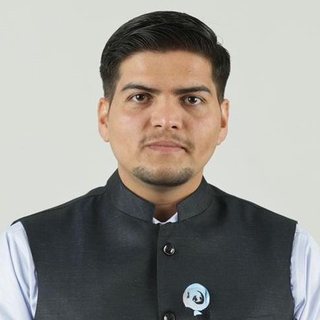 प्रशान्त उप्रेती Prashant Upreti |
House of Representatives Elected, constituency (first past the post) |
Makwanpur-2 · मकवानपुर-२ | राष्ट्रिय स्वतन्त्र पार्टी (Rastriya Swatantra Party) |
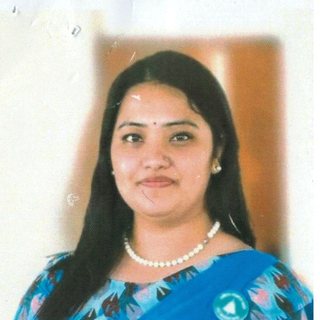 प्रतिभा रावल Pratibha Rawal |
House of Representatives Elected, proportional representation |
Listed district: Kanchanpur · कञ्चनपुर | राष्ट्रिय स्वतन्त्र पार्टी (Rastriya Swatantra Party) |
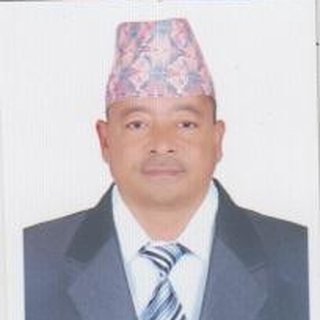 प्रेम बहादुर बयक Prem Bahadur Bayak |
House of Representatives Elected, proportional representation |
Listed district: Kailali · कैलाली | नेपाली कम्युनिष्ट पार्टी (Nepali Communist Party) |
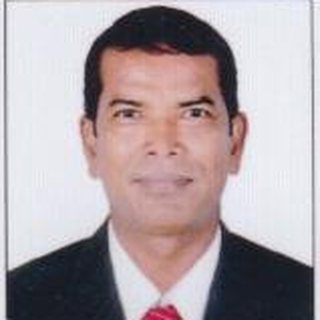 प्रेम लाल चौधरी Prem Lal Chaudhary |
House of Representatives Elected, proportional representation |
Listed district: Morang · मोरङ | राष्ट्रिय स्वतन्त्र पार्टी (Rastriya Swatantra Party) |
 प्रेम प्रसाद दंगाल Prem Prasad Dangal |
National Assembly Elected to the National Assembly |
Province: Bagmati Province | नेपाल कम्युनिष्ट पार्टी (एमाले) (Communist Party of Nepal (Unified Marxist–Leninist)) |
 पुजा चौधरी Puja Chaudhary |
National Assembly Elected to the National Assembly |
Province: Madhesh Province | जनता समाजवादी पार्टी नेपाल (Janata Samajbadi Party Nepal) |
 पुकार बम Pukar Bom |
House of Representatives Elected, constituency (first past the post) |
Kathmandu-4 · काठमाडौ-४ | राष्ट्रिय स्वतन्त्र पार्टी (Rastriya Swatantra Party) |
| पुर्ण प्रसाद लिम्बु Purna Prasad Limbu |
House of Representatives Elected, proportional representation |
Listed district: Sankhuwasabha · संखुवासभा | श्रम संस्कृति पार्टी (Shram Sanskriti Party) |
 पुरुषोत्तम शुप्रभात यादव Purushotam Suprabhat Yadav |
House of Representatives Elected, proportional representation |
Listed district: Siraha · सिराहा | राष्ट्रिय स्वतन्त्र पार्टी (Rastriya Swatantra Party) |
 पुष्प कमल दाहाल प्रचण्ड Pushpa Kamal Dahal Prachanda |
House of Representatives Elected, constituency (first past the post) |
Rukum East-1 · रुकुम पूर्व-१ | नेपाली कम्युनिष्ट पार्टी (Nepali Communist Party) |
 पुष्पा कुमारी चौधरी Puspa Kumari Chaudhary |
House of Representatives Elected, constituency (first past the post) |
Saptari-1 · सप्तरी-१ | राष्ट्रिय स्वतन्त्र पार्टी (Rastriya Swatantra Party) |
| पुष्प राज कडेल Puspa Raj Kadel |
House of Representatives Elected, proportional representation |
Listed district: Dhading · धादिङ | नेपाल कम्युनिष्ट पार्टी (एमाले) (Communist Party of Nepal (Unified Marxist–Leninist)) |
 रवि लामिछाने Rabi Lamichhane |
House of Representatives Elected, constituency (first past the post) |
Chitwan-2 · चितवन-२ | राष्ट्रिय स्वतन्त्र पार्टी (Rastriya Swatantra Party) |
| रविन महतो Rabin Mahato |
House of Representatives Elected, constituency (first past the post) |
Sarlahi-2 · सर्लाही-२ | राष्ट्रिय स्वतन्त्र पार्टी (Rastriya Swatantra Party) |
 रचना खतिवडा खत्री Rachana Khatiwada Khatri |
House of Representatives Elected, proportional representation |
Listed district: Kavrepalanchok · काभ्रेपलाञ्चोक | राष्ट्रिय स्वतन्त्र पार्टी (Rastriya Swatantra Party) |
 राधिका रम्तेल Radhika Ramtel |
House of Representatives Elected, proportional representation |
Listed district: Surkhet · सुर्खेत | श्रम संस्कृति पार्टी (Shram Sanskriti Party) |
 रहबर अन्सारी Rahbar Ansari |
House of Representatives Elected, constituency (first past the post) |
Bara-4 · बारा-४ | राष्ट्रिय स्वतन्त्र पार्टी (Rastriya Swatantra Party) |
 राज किशोर महतो कोइरी Raj Kishor Mahato Koiri |
House of Representatives Elected, constituency (first past the post) |
Dhanusha-4 · धनुषा-४ | राष्ट्रिय स्वतन्त्र पार्टी (Rastriya Swatantra Party) |
 राजन गौतम Rajan Gautam |
House of Representatives Elected, constituency (first past the post) |
Nawalparasi (Bardaghat Susta Purva)-1 · नवलपरासी (बर्दघाट सुस्ता पूर्व)-१ | राष्ट्रिय स्वतन्त्र पार्टी (Rastriya Swatantra Party) |
 रजनी श्रेष्ठ Rajani Shrestha |
House of Representatives Elected, proportional representation |
Listed district: Morang · मोरङ | राष्ट्रिय स्वतन्त्र पार्टी (Rastriya Swatantra Party) |
 राजेन्द्र कुमार राई Rajendra Kumar Rai |
House of Representatives Elected, constituency (first past the post) |
Dhanakuta-1 · धनकुटा-१ | नेपाल कम्युनिष्ट पार्टी (एमाले) (Communist Party of Nepal (Unified Marxist–Leninist)) |
 राजेन्द्र लक्ष्मी गैरे Rajendra Laxmi Gaire |
National Assembly Elected by the provincial electoral college |
Province: Lumbini Province | नेपाली कम्युनिष्ट पार्टी (Nepali Communist Party) |
 राजेश कुमार चौधरी Rajesh Kumar Chaudhary |
House of Representatives Elected, constituency (first past the post) |
Rautahat-1 · रौतहट-१ | राष्ट्रिय स्वतन्त्र पार्टी (Rastriya Swatantra Party) |
 राजिव खत्री Rajib Khatry |
House of Representatives Elected, constituency (first past the post) |
Bhaktapur-2 · भक्तपुर-२ | राष्ट्रिय स्वतन्त्र पार्टी (Rastriya Swatantra Party) |
 राजु नाथ पाण्डे Raju Nath Pandey |
House of Representatives Elected, constituency (first past the post) |
Kathmandu-3 · काठमाडौ-३ | राष्ट्रिय स्वतन्त्र पार्टी (Rastriya Swatantra Party) |
 राम बहादुर थापा मगर Ram Bahadur Thapa Magar |
House of Representatives Elected, proportional representation |
Listed district: Chitwan · चितवन | नेपाल कम्युनिष्ट पार्टी (एमाले) (Communist Party of Nepal (Unified Marxist–Leninist)) |
 राम विनोद यादव Ram Binod Yadav |
House of Representatives Elected, constituency (first past the post) |
Dhanusha-2 · धनुषा-२ | राष्ट्रिय स्वतन्त्र पार्टी (Rastriya Swatantra Party) |
 राम कुमारी झाक्री Ram Kumari Jhakri |
National Assembly Elected to the National Assembly |
Province: Lumbini Province | नेपाल कम्युनिष्ट पार्टी (एमाले) (Communist Party of Nepal (Unified Marxist–Leninist)) |
| राम लामा Ram Lama |
House of Representatives Elected, proportional representation |
Listed district: Kavrepalanchok · काभ्रेपलाञ्चोक | राष्ट्रिय स्वतन्त्र पार्टी (Rastriya Swatantra Party) |
 रामाकान्त प्रसाद चौरसिया Ramakant Prasad Chaurasiya |
House of Representatives Elected, constituency (first past the post) |
Parsa-3 · पर्सा-३ | राष्ट्रिय स्वतन्त्र पार्टी (Rastriya Swatantra Party) |
 रमेश कुमार मल्ल Ramesh Kumar Malla |
House of Representatives Elected, constituency (first past the post) |
Salyan-1 · सल्यान-१ | नेपाली कम्युनिष्ट पार्टी (Nepali Communist Party) |
 रमेश कुमार सापकोटा Ramesh Kumar Sapkota |
House of Representatives Elected, constituency (first past the post) |
Surkhet-2 · सुर्खेत-२ | राष्ट्रिय स्वतन्त्र पार्टी (Rastriya Swatantra Party) |
 रमेश प्रसाई Ramesh Prasai |
House of Representatives Elected, proportional representation |
Listed district: Taplejung · ताप्लेजुङ | राष्ट्रिय स्वतन्त्र पार्टी (Rastriya Swatantra Party) |
 रामजी यादव Ramjee Yadav |
House of Representatives Elected, constituency (first past the post) |
Saptari-2 · सप्तरी-२ | राष्ट्रिय स्वतन्त्र पार्टी (Rastriya Swatantra Party) |
 रंजित कर्ण Ranjeet Karn |
National Assembly Elected to the National Assembly |
Province: Madhesh Province | नेपाली काँग्रेस (Nepali Congress) |
 रन्जु न्यौपाने Ranju Neupane |
House of Representatives Elected, constituency (first past the post) |
Kathmandu-1 · काठमाडौ-१ | राष्ट्रिय स्वतन्त्र पार्टी (Rastriya Swatantra Party) |
 रत्ना कुमारी थापा Ratna Kumari Thapa |
House of Representatives Elected, proportional representation |
Listed district: Aachham · अछाम | राष्ट्रिय स्वतन्त्र पार्टी (Rastriya Swatantra Party) |
 रविन्द्र पटेल Ravindra Patel |
House of Representatives Elected, constituency (first past the post) |
Rautahat-3 · रौतहट-३ | राष्ट्रिय स्वतन्त्र पार्टी (Rastriya Swatantra Party) |
| रीना उप्रेती के. सी. Reena Uprety K.C. |
House of Representatives Elected, proportional representation |
Listed district: Jhapa · झापा | नेपाली काँग्रेस (Nepali Congress) |
 रेखा कुमारी झा Rekha Kumari Jha |
National Assembly Elected to the National Assembly |
Province: Madhesh Province | नेपाल कम्युनिष्ट पार्टी (एमाले) (Communist Party of Nepal (Unified Marxist–Leninist)) |
 रेखा कुमारी यादव Rekha Kumari Yadav |
House of Representatives Elected, proportional representation |
Listed district: Mahottari · महोत्तरी | नेपाली काँग्रेस (Nepali Congress) |
 रेनु चन्द Renu Chand |
National Assembly Elected to the National Assembly |
Province: Sudurpaschim Province | नेपाली कम्युनिष्ट पार्टी (Nepali Communist Party) |
 रेनुका काउँचा Renuka Kaucha |
House of Representatives Elected, proportional representation |
Listed district: Baglung · बाग्लुङ | नेपाली काँग्रेस (Nepali Congress) |
 रिमा विश्वकर्मा Rima Bishwokarma |
House of Representatives Elected, proportional representation |
Listed district: Bardiya · बर्दिया | राष्ट्रिय स्वतन्त्र पार्टी (Rastriya Swatantra Party) |
 रिंगला यादव Ringla Yadav |
House of Representatives Elected, proportional representation |
Listed district: Nawalparasi (Bardaghat Susta Paschim) · नवलपरासी (बर्दघाट सुस्ता पश्चिम) | नेपाल कम्युनिष्ट पार्टी (एमाले) (Communist Party of Nepal (Unified Marxist–Leninist)) |
 रोश्नी मेचे Roshani Meche |
National Assembly Elected to the National Assembly |
Province: Koshi Province | नेपाल कम्युनिष्ट पार्टी (एमाले) (Communist Party of Nepal (Unified Marxist–Leninist)) |
 रुवी कुमारी Rubi Kumari |
House of Representatives Elected, proportional representation |
Listed district: Dhanusha · धनुषा | श्रम संस्कृति पार्टी (Shram Sanskriti Party) |
 रुबिना आचार्य Rubina Acharya |
House of Representatives Elected, constituency (first past the post) |
Morang-6 · मोरङ-६ | राष्ट्रिय स्वतन्त्र पार्टी (Rastriya Swatantra Party) |
 रुकेश रंजित Rukesh Ranjit |
House of Representatives Elected, constituency (first past the post) |
Bhaktapur-1 · भक्तपुर-१ | राष्ट्रिय स्वतन्त्र पार्टी (Rastriya Swatantra Party) |
| श्रीमति रुक्मीणी देवी कोइराला Rukmini Devi Koirala |
House of Representatives Elected, proportional representation |
Listed district: Morang · मोरङ | नेपाली काँग्रेस (Nepali Congress) |
 रुक्मिणी कोइराला Rukmini Koirala |
National Assembly Elected to the National Assembly |
Province: Koshi Province | नेपाल कम्युनिष्ट पार्टी (एमाले) (Communist Party of Nepal (Unified Marxist–Leninist)) |
 सावित्री मल्ल Sabitri Malla |
National Assembly Elected to the National Assembly |
Listed district: Dailekh · दैलेख | नेपाली कम्युनिष्ट पार्टी (Nepali Communist Party) |
 सागर भुसाल Sagar Bhusal |
House of Representatives Elected, constituency (first past the post) |
Parbat-1 · पर्वत-१ | राष्ट्रिय स्वतन्त्र पार्टी (Rastriya Swatantra Party) |
 सागर ढकाल Sagar Dhakal |
House of Representatives Elected, constituency (first past the post) |
Gulmi-1 · गुल्मी-१ | राष्ट्रिय स्वतन्त्र पार्टी (Rastriya Swatantra Party) |
| साजीदा खातुन सिद्दिकी Sajida Khatun Siddqi |
House of Representatives Elected, proportional representation |
Listed district: Dang · दाङ | नेपाल कम्युनिष्ट पार्टी (एमाले) (Communist Party of Nepal (Unified Marxist–Leninist)) |
 समिक्षा बास्कोटा Samikchya Baskota |
House of Representatives Elected, proportional representation |
Listed district: Lalitpur · ललितपुर | राष्ट्रिय स्वतन्त्र पार्टी (Rastriya Swatantra Party) |
 समिना मिया Samina Miya |
House of Representatives Elected, proportional representation |
Listed district: Chitwan · चितवन | राष्ट्रिय स्वतन्त्र पार्टी (Rastriya Swatantra Party) |
 सम्झना देवकोटा Samjhana Devkota |
National Assembly Elected to the National Assembly |
Province: Gandaki Province | नेपाल कम्युनिष्ट पार्टी (एमाले) (Communist Party of Nepal (Unified Marxist–Leninist)) |
 सन्दीप राना Sandeep Rana |
House of Representatives Elected, constituency (first past the post) |
Palpa-1 · पाल्पा-१ | नेपाली काँग्रेस (Nepali Congress) |
| सन्तोष सुब्बा Santos Subba |
House of Representatives Elected, constituency (first past the post) |
Tehrathum-1 · तेह्रथुम-१ | नेपाली काँग्रेस (Nepali Congress) |
 सन्तोष राजवंशी Santosh Rajbansi |
House of Representatives Elected, constituency (first past the post) |
Morang-4 · मोरङ-४ | राष्ट्रिय स्वतन्त्र पार्टी (Rastriya Swatantra Party) |
 सरस्वती लामा Saraswoti lama |
House of Representatives Elected, proportional representation |
Listed district: Dhading · धादिङ | राष्ट्रिय प्रजातन्त्र पार्टी (Rastriya Prajatantra Party) |
 सरीता महतो Sarita Mahato |
House of Representatives Elected, proportional representation |
Listed district: Sarlahi · सर्लाही | राष्ट्रिय स्वतन्त्र पार्टी (Rastriya Swatantra Party) |
 सस्मित पोखरेल Sasmit Pokharel |
House of Representatives Elected, constituency (first past the post) |
Kathmandu-5 · काठमाडौ-५ | राष्ट्रिय स्वतन्त्र पार्टी (Rastriya Swatantra Party) |
 शाहजान खातुन Shahjan Khatun |
House of Representatives Elected, proportional representation |
Listed district: Rautahat · रौतहट | नेपाली काँग्रेस (Nepali Congress) |
 शम्भु कुमार यादव Shambhu Kumar Yadav |
House of Representatives Elected, constituency (first past the post) |
Siraha-3 · सिराहा-३ | राष्ट्रिय स्वतन्त्र पार्टी (Rastriya Swatantra Party) |
 शम्भु प्रसाद ढकाल Shambhu Prasad Dhakal |
House of Representatives Elected, constituency (first past the post) |
Jhapa-4 · झापा-४ | राष्ट्रिय स्वतन्त्र पार्टी (Rastriya Swatantra Party) |
 शिशिर खनाल Shisir Khanal |
House of Representatives Elected, constituency (first past the post) |
Kathmandu-6 · काठमाडौ-६ | राष्ट्रिय स्वतन्त्र पार्टी (Rastriya Swatantra Party) |
 शिव शंकर यादव Shiv Shanka Yadav |
House of Representatives Elected, constituency (first past the post) |
Siraha-2 · सिराहा-२ | राष्ट्रिय स्वतन्त्र पार्टी (Rastriya Swatantra Party) |
 शोभा खनाल Shobha Khanal |
House of Representatives Elected, proportional representation |
Listed district: Nuwakot · नुवाकोट | राष्ट्रिय स्वतन्त्र पार्टी (Rastriya Swatantra Party) |
 श्रद्धा कुवर क्षेत्री Shraddha Kunwar chhetri |
House of Representatives Elected, proportional representation |
Listed district: Rupandehi · रूपन्देही | राष्ट्रिय स्वतन्त्र पार्टी (Rastriya Swatantra Party) |
| श्रीकृष्ण प्रसाद अधिकारी Shree Krishna Prasad Adhikari |
National Assembly Elected to the National Assembly |
Province: Bagmati Province | नेपाली कम्युनिष्ट पार्टी (Nepali Communist Party) |
 श्रीधर पोख्रेल Shreedhar Pokhrel |
House of Representatives Elected, constituency (first past the post) |
Bardiya-2 · बर्दिया-२ | राष्ट्रिय स्वतन्त्र पार्टी (Rastriya Swatantra Party) |
 श्रीराम न्यौपाने Shri Ram Neupane |
House of Representatives Elected, constituency (first past the post) |
Tanahun-2 · तनहुँ-२ | राष्ट्रिय स्वतन्त्र पार्टी (Rastriya Swatantra Party) |
 सृष्टि भट्टराई Shristi Bhattarai |
House of Representatives Elected, proportional representation |
Listed district: Sunsari · सुनसरी | राष्ट्रिय स्वतन्त्र पार्टी (Rastriya Swatantra Party) |
 सिर्जना श्रेष्ठ Sirjana Shrestha |
House of Representatives Elected, proportional representation |
Listed district: Sunsari · सुनसरी | राष्ट्रिय स्वतन्त्र पार्टी (Rastriya Swatantra Party) |
 सिता बादी Sita Badi |
House of Representatives Elected, proportional representation |
Listed district: Surkhet · सुर्खेत | राष्ट्रिय स्वतन्त्र पार्टी (Rastriya Swatantra Party) |
 सीता थपलिया Sita Thapaliya |
House of Representatives Elected, proportional representation |
Listed district: Dhading · धादिङ | नेपाली काँग्रेस (Nepali Congress) |
 सिताराम साह Sitaram Sha |
House of Representatives Elected, constituency (first past the post) |
Saptari-4 · सप्तरी-४ | राष्ट्रिय स्वतन्त्र पार्टी (Rastriya Swatantra Party) |
 स्मृति सेन्चुरी Smriti Sunchiuri |
House of Representatives Elected, proportional representation |
Listed district: Dolakha · दोलखा | राष्ट्रिय स्वतन्त्र पार्टी (Rastriya Swatantra Party) |
 सोविता गौतम Sobita Gautam |
House of Representatives Elected, constituency (first past the post) |
Chitwan-3 · चितवन-३ | राष्ट्रिय स्वतन्त्र पार्टी (Rastriya Swatantra Party) |
 सोम शर्मा Som Sharma |
House of Representatives Elected, constituency (first past the post) |
Baglung-2 · बाग्लुङ-२ | राष्ट्रिय स्वतन्त्र पार्टी (Rastriya Swatantra Party) |
 सोमनाथ पोर्तेल Somnath Portel |
National Assembly Elected to the National Assembly |
Province: Koshi Province | नेपाल कम्युनिष्ट पार्टी (एमाले) (Communist Party of Nepal (Unified Marxist–Leninist)) |
 सोनाम गेल्जेन शेर्पा Sonam Gyalzen Sherpa |
National Assembly Elected by the provincial electoral college |
Province: Koshi Province | नेपाल कम्युनिष्ट पार्टी (एमाले) (Communist Party of Nepal (Unified Marxist–Leninist)) |
 सुधन गुरुङ Sudhan Gurung |
House of Representatives Elected, constituency (first past the post) |
Gorkha-1 · गोरखा-१ | राष्ट्रिय स्वतन्त्र पार्टी (Rastriya Swatantra Party) |
| सुहाङ नेम्वाङ Suhang Nembang |
House of Representatives Elected, constituency (first past the post) |
Ilam-2 · इलाम-२ | नेपाल कम्युनिष्ट पार्टी (एमाले) (Communist Party of Nepal (Unified Marxist–Leninist)) |
 सुजाता तामाङ Sujata Tamang |
House of Representatives Elected, proportional representation |
Listed district: Sankhuwasabha · संखुवासभा | राष्ट्रिय स्वतन्त्र पार्टी (Rastriya Swatantra Party) |
 सुलभ खरेल Sulav Kharel |
House of Representatives Elected, constituency (first past the post) |
Rupandehi-2 · रूपन्देही-२ | राष्ट्रिय स्वतन्त्र पार्टी (Rastriya Swatantra Party) |
 सुम्नीमा उदास Sumnima Udas |
House of Representatives Elected, proportional representation |
Listed district: Lalitpur · ललितपुर | राष्ट्रिय स्वतन्त्र पार्टी (Rastriya Swatantra Party) |
 सुनिल बहादुर थापा Sunil Bahadur r Thapa |
National Assembly Elected to the National Assembly |
Province: Koshi Province | नेपाली काँग्रेस (Nepali Congress) |
| सुनिल के सी Sunil K.C. |
House of Representatives Elected, constituency (first past the post) |
Kathmandu-2 · काठमाडौ-२ | राष्ट्रिय स्वतन्त्र पार्टी (Rastriya Swatantra Party) |
| सुनिल लम्साल Sunil Lamsal |
House of Representatives Elected, constituency (first past the post) |
Rupandehi-1 · रूपन्देही-१ | राष्ट्रिय स्वतन्त्र पार्टी (Rastriya Swatantra Party) |
| सुनीता कुमारी चौधरी Sunita Kumari Chaudhary |
House of Representatives Elected, proportional representation |
Listed district: Parsa · पर्सा | राष्ट्रिय स्वतन्त्र पार्टी (Rastriya Swatantra Party) |
 सुरेन्द्र चौधरी Surendra Chaudhary |
House of Representatives Elected, proportional representation |
Listed district: Dang · दाङ | राष्ट्रिय स्वतन्त्र पार्टी (Rastriya Swatantra Party) |
| सुरेश कुमार आले मगर Suresh Kumar Ale Magar |
National Assembly Elected by the provincial electoral college |
Province: Gandaki Province | नेपाली कम्युनिष्ट पार्टी (Nepali Communist Party) |
 सुरेश कुमार चौधरी Suresh Kumar Chaudhary |
House of Representatives Elected, constituency (first past the post) |
Banke-1 · बाँके-१ | राष्ट्रिय स्वतन्त्र पार्टी (Rastriya Swatantra Party) |
| सुर्य बहादुर तामाङ्ग Surya Bahadur Tamang |
House of Representatives Elected, constituency (first past the post) |
Udayapur-2 · उदयपुर-२ | राष्ट्रिय स्वतन्त्र पार्टी (Rastriya Swatantra Party) |
 सुशान्त बैदिक Sushant Vaidik |
House of Representatives Elected, constituency (first past the post) |
Pyuthan-1 · प्युठान-१ | राष्ट्रिय स्वतन्त्र पार्टी (Rastriya Swatantra Party) |
 सुशील खड्का Sushil Khadka |
House of Representatives Elected, constituency (first past the post) |
Baglung-1 · बाग्लुङ-१ | राष्ट्रिय स्वतन्त्र पार्टी (Rastriya Swatantra Party) |
 सुशील कुमार कानु Sushil Kumar Kanu |
House of Representatives Elected, constituency (first past the post) |
Parsa-2 · पर्सा-२ | राष्ट्रिय स्वतन्त्र पार्टी (Rastriya Swatantra Party) |
| सुशिला ढकाल आचार्य Sushila Dhakal Achrya |
House of Representatives Elected, proportional representation |
Listed district: Jhapa · झापा | नेपाली काँग्रेस (Nepali Congress) |
 सुष्मा स्वर्णकार (डिम्पल) Susma Swranakar (Dimpal) |
House of Representatives Elected, proportional representation |
Listed district: Banke · बाँके | राष्ट्रिय स्वतन्त्र पार्टी (Rastriya Swatantra Party) |
| स्वर्णिम वाग्ले Swarnim Wagle |
House of Representatives Elected, constituency (first past the post) |
Tanahun-1 · तनहुँ-१ | राष्ट्रिय स्वतन्त्र पार्टी (Rastriya Swatantra Party) |
 ताहीर अलि भाट Tahir Ali Bhat |
House of Representatives Elected, proportional representation |
Listed district: Rupandehi · रूपन्देही | राष्ट्रिय प्रजातन्त्र पार्टी (Rastriya Prajatantra Party) |
 तपेश्वर यादव Tapeshwar Yadav |
House of Representatives Elected, constituency (first past the post) |
Siraha-4 · सिराहा-४ | राष्ट्रिय स्वतन्त्र पार्टी (Rastriya Swatantra Party) |
 तारा विश्वकर्मा Tara Bishokarma |
House of Representatives Elected, proportional representation |
Listed district: Kavrepalanchok · काभ्रेपलाञ्चोक | राष्ट्रिय स्वतन्त्र पार्टी (Rastriya Swatantra Party) |
| तारा प्रसाद जोशी Tara Prasad Joshi |
House of Representatives Elected, constituency (first past the post) |
Dadeldhura-1 · डडेलधुरा-१ | राष्ट्रिय स्वतन्त्र पार्टी (Rastriya Swatantra Party) |
 तौफिक अहमद खान Taufique Ahmad Khan |
House of Representatives Elected, constituency (first past the post) |
Rupandehi-5 · रूपन्देही-५ | राष्ट्रिय स्वतन्त्र पार्टी (Rastriya Swatantra Party) |
| टेक वहादुर गुरुङ Tek Bahadur Gurung |
House of Representatives Elected, constituency (first past the post) |
Manang-1 · मनाङ-१ | नेपाली काँग्रेस (Nepali Congress) |
| टेक बहादुर शाक्य Tek Bahadur Shakya |
House of Representatives Elected, constituency (first past the post) |
Parsa-4 · पर्सा-४ | राष्ट्रिय स्वतन्त्र पार्टी (Rastriya Swatantra Party) |
| ठाकुर सिंह थारू Thakur Singh Tharu |
House of Representatives Elected, constituency (first past the post) |
Bardiya-1 · बर्दिया-१ | राष्ट्रिय स्वतन्त्र पार्टी (Rastriya Swatantra Party) |
 टीका संग्रौला Tika Sangroula |
House of Representatives Elected, proportional representation |
Listed district: Jhapa · झापा | राष्ट्रिय स्वतन्त्र पार्टी (Rastriya Swatantra Party) |
| तोसिमा कार्की Toshima Karki |
House of Representatives Elected, constituency (first past the post) |
Lalitpur-3 · ललितपुर-३ | राष्ट्रिय स्वतन्त्र पार्टी (Rastriya Swatantra Party) |
 टुका भद्रा हमाल Tuka Bhadra Hamal |
House of Representatives Elected, proportional representation |
Listed district: Chitwan · चितवन | नेपाल कम्युनिष्ट पार्टी (एमाले) (Communist Party of Nepal (Unified Marxist–Leninist)) |
 तुल प्रसाद विश्वकर्मा Tul Prasad Bishwakarma |
National Assembly Elected by the provincial electoral college |
Province: Lumbini Province | राष्ट्रिय जनमोर्चा (Rastriya Janamorcha) |
 उदय बहादुर बोहरा Uday Bahadur Bohara |
National Assembly Elected by the provincial electoral college |
Province: Karnali Province | नेपाली कम्युनिष्ट पार्टी (Nepali Communist Party) |
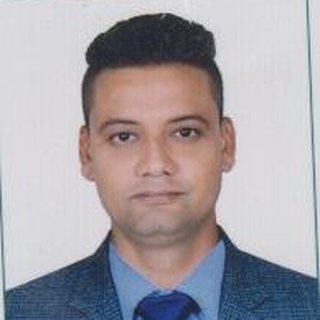 उज्ज्वल कुमार झा Ujjwal Kumar Jha |
House of Representatives Elected, constituency (first past the post) |
Mahottari-3 · महोत्तरी-३ | राष्ट्रिय स्वतन्त्र पार्टी (Rastriya Swatantra Party) |
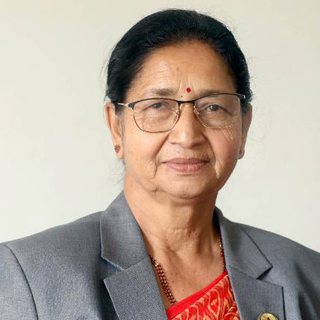 उर्मिला अर्याल Urmila Aryal |
National Assembly Elected by the provincial electoral college |
Province: Madhesh Province | नेपाली कम्युनिष्ट पार्टी (Nepali Communist Party) |
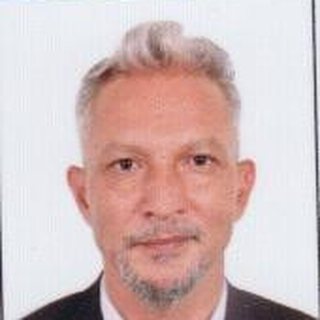 उत्तम प्रसाद पौडेल Uttam Prasad Poudel |
House of Representatives Elected, constituency (first past the post) |
Kaski-2 · कास्की-२ | राष्ट्रिय स्वतन्त्र पार्टी (Rastriya Swatantra Party) |
| विधुशी राणा Vidushi Rana |
House of Representatives Elected, proportional representation |
Listed district: Kathmandu · काठमाडौ | राष्ट्रिय स्वतन्त्र पार्टी (Rastriya Swatantra Party) |
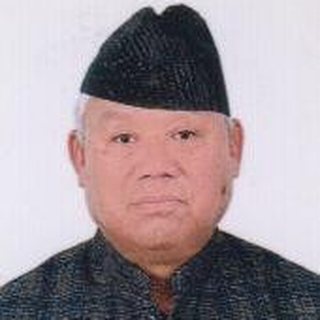 भीष्मराज आङ्देम्बे Vishmaraj Angdembey |
House of Representatives Elected, proportional representation |
Listed district: Panchthar · पाँचथर | नेपाली काँग्रेस (Nepali Congress) |
 यज्ञ बहादुर बोगटी Yagya Bahadur Bogati |
House of Representatives Elected, constituency (first past the post) |
Aachham-2 · अछाम-२ | नेपाल कम्युनिष्ट पार्टी (एमाले) (Communist Party of Nepal (Unified Marxist–Leninist)) |
 यज्ञमणि न्यौपाने Yagyamany Neupane |
House of Representatives Elected, constituency (first past the post) |
Morang-1 · मोरङ-१ | राष्ट्रिय स्वतन्त्र पार्टी (Rastriya Swatantra Party) |
 यशोधा कुमारी Yashodha Kumari |
House of Representatives Elected, proportional representation |
Listed district: Dhanusha · धनुषा | नेपाल कम्युनिष्ट पार्टी (एमाले) (Communist Party of Nepal (Unified Marxist–Leninist)) |
 योगेश गौचन थकाली Yogesh Gauchan Thakali |
House of Representatives Elected, constituency (first past the post) |
Mustang-1 · मुस्ताङ-१ | नेपाली काँग्रेस (Nepali Congress) |
 युवराज दुलाल Yubaraj Dulal |
House of Representatives Elected, constituency (first past the post) |
Sindhupalchok-2 · सिन्धुपाल्चोक-२ | नेपाली कम्युनिष्ट पार्टी (Nepali Communist Party) |
 युवराज शर्मा Yuvraj Sharma |
National Assembly Elected by the provincial electoral college |
Province: Lumbini Province | नेपाली काँग्रेस (Nepali Congress) |
No members match these filters.
Parties are the pillars of democracyदलहरू लोकतन्त्रका खम्बा हुन्
Every government, every Parliament and almost every leader in Nepal comes through a political party. A party that is not democratic inside cannot build a democracy outside. When members choose their leaders, candidates earn their tickets and new voices can rise, parties give the country better choices — and better government.नेपालमा हरेक सरकार, हरेक संसद् र लगभग हरेक नेता राजनीतिक दलमार्फत आउँछन्। भित्र लोकतान्त्रिक नभएको दलले बाहिर लोकतन्त्र बनाउन सक्दैन। सदस्यले नेता छान्दा, उम्मेदवारले टिकट कमाउँदा र नयाँ आवाज उदाउन पाउँदा दलहरूले देशलाई राम्रा विकल्प — र राम्रो सरकार — दिन्छन्।
What does the Constitution already require of every party?संविधानले हरेक दललाई पहिले नै के गर्न भनेको छ?
- Its constitution and rules must be democratic.दलको विधान र नियम लोकतान्त्रिक हुनुपर्छ। Constitution Art. 269(4)(a)
- Office-bearers at federal and provincial level must be elected at least once every five years.सङ्घीय र प्रदेश तहका पदाधिकारीको निर्वाचन कम्तीमा पाँच वर्षमा एक पटक हुनुपर्छ। Constitution Art. 269(4)(b)
- Its executive committees at every level must include people in a way that reflects Nepal’s diversity.हरेक तहका कार्यसमितिमा नेपालको विविधता झल्किने गरी समावेशी प्रतिनिधित्व हुनुपर्छ। Constitution Art. 269(4)(c)
- To contest elections, it must submit a yearly audit report to the Election Commission.निर्वाचनमा भाग लिन निर्वाचन आयोगमा वार्षिक लेखापरीक्षण प्रतिवेदन बुझाउनुपर्छ। Constitution Art. 271(2)
What does a healthy party look like?स्वस्थ दल कस्तो हुन्छ?
- Leaders chosen by membersसदस्यले छानेका नेता
Regular, contested elections for every post, held on time, with open counting.हरेक पदका लागि समयमै, प्रतिस्पर्धात्मक र खुला मतगणनासहितको नियमित निर्वाचन।
- Candidates chosen in primariesप्रारम्भिक निर्वाचनबाट उम्मेदवार
Members and supporters in each constituency choose the candidate, so tickets are earned rather than handed out from the top.हरेक निर्वाचन क्षेत्रका सदस्य र समर्थकले उम्मेदवार छान्छन्, ताकि टिकट माथिबाट बाँडिँदैन, कमाइन्छ।
- Inclusion at every levelहरेक तहमा समावेशिता
Women, Dalits, indigenous peoples, Madhesis, young people and every region in real decision-making roles — not only on paper.महिला, दलित, आदिवासी जनजाति, मधेसी, युवा र हरेक क्षेत्रका व्यक्ति कागजमा मात्र होइन, वास्तविक निर्णय गर्ने भूमिकामा।
- Room for new leaders to riseनयाँ नेता उदाउने ठाउँ
Fair, open routes for emerging leaders to compete, be mentored and win — and regular renewal at the top.उदीयमान नेताले प्रतिस्पर्धा गर्ने, मार्गदर्शन पाउने र जित्ने निष्पक्ष र खुला बाटो — र शीर्ष नेतृत्वमा नियमित नवीकरण।
- Open booksखुला हिसाब
Membership fees, donations and spending published, so members and voters can see who funds the party.सदस्यता शुल्क, चन्दा र खर्च सार्वजनिक, ताकि दललाई कसले पैसा दिन्छ भन्ने सदस्य र मतदाताले देख्न सकून्।
- Ideas and programmes, not only personalitiesव्यक्ति मात्र होइन, विचार र कार्यक्रम
Clear policies that members help shape and that voters can hold the party to.सदस्यले आकार दिन सहयोग गरेका र मतदाताले दललाई जवाफदेही बनाउन सक्ने स्पष्ट नीति।
We will compare every party against the same standards, using each party’s own constitution and Election Commission records, and publish what we find with sources.हामी हरेक दललाई उनीहरूकै विधान र निर्वाचन आयोगका अभिलेख प्रयोग गरी उही मापदण्डमा तुलना गर्नेछौं, र स्रोतसहित नतिजा प्रकाशित गर्नेछौं।