
Judiciary
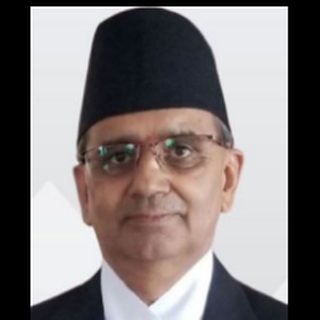
High Court Surkhetउच्च अदालत सुर्खेत
Purpose
- Justice in Nepal is exercised by courts and other judicial bodies under the Constitution, laws and recognised principles of justice, and everyone must obey court orders and decisions.नेपालमा न्यायसम्बन्धी अधिकार संविधान, कानून र न्यायका मान्य सिद्धान्तबमोजिम अदालत तथा न्यायिक निकायबाट प्रयोग हुन्छ र अदालतको आदेश वा निर्णय सबैले पालना गर्नुपर्छ। Government of Nepal Art. 126(1)-(2)
- There is one High Court in each Province. Each has a Chief Judge and as many other judges as federal law provides; the Judicial Administration Act, 2073 sets a combined ceiling of 160 High Court judges.प्रत्येक प्रदेशमा एक उच्च अदालत रहन्छ। प्रत्येकमा मुख्य न्यायाधीश र सङ्घीय कानूनबमोजिमका अन्य न्यायाधीश हुन्छन्; न्याय प्रशासन ऐन, २०७३ ले उच्च अदालतका न्यायाधीशको कुल दरबन्दी १६० तोकेको छ। Government of Nepal · Supreme Court of Nepal Const. Art. 139(1), (3); annual report §5.2, printed p. 34 (PDF p. 68): Judicial Administration Act, 2073 s. 6
- The Chief Justice appoints the Chief Judge and judges of the High Court on the recommendation of the Judicial Council.न्याय परिषद्को सिफारिसमा प्रधान न्यायाधीशले उच्च अदालतका मुख्य न्यायाधीश र न्यायाधीश नियुक्त गर्छन्। Government of Nepal Art. 140(1)
- The High Court can issue writs, including habeas corpus, mandamus, certiorari, prohibition and quo warranto, to enforce fundamental and other legal rights and to settle legal questions in disputes of public interest.मौलिक हक वा अन्य कानूनी हकको प्रचलन तथा सार्वजनिक हक वा सरोकारको विवादमा निहित कानूनी प्रश्नको निरूपणका लागि उच्च अदालतले बन्दीप्रत्यक्षीकरण, परमादेश, उत्प्रेषण, प्रतिषेध र अधिकारपृच्छालगायतका रिट जारी गर्न सक्छ। Government of Nepal Art. 144(1)-(2)
- Under federal law it hears some cases at first instance, hears appeals, mainly from district courts, and confirms sentences referred to it.सङ्घीय कानूनबमोजिम उच्च अदालतले केही मुद्दाको सुरु कारबाही र किनारा गर्छ, मुख्यतः जिल्ला अदालतका फैसलाउपर पुनरावेदन सुन्छ र साधक जाँच्छ। Government of Nepal Art. 144(3)
- The Chief Judge is responsible for making justice effective in the High Court and the courts and judicial bodies below it, and may direct them.उच्च अदालत र मातहतका अदालत तथा न्यायिक निकायबाट हुने न्याय सम्पादनलाई प्रभावकारी बनाउने अन्तिम जिम्मेवारी मुख्य न्यायाधीशको हुन्छ र उनले आवश्यक निर्देशन दिन सक्छन्। Government of Nepal Art. 147
What it has delivered
- The High Court for Karnali Province (with its benches) had 1,049 cases and writs in the year, decided 938 (89 per cent) and ended with 111 pending. It carried 2 per cent of all High Court cases and writs in Nepal.कर्णाली प्रदेशको उच्च अदालत (इजलाससहित) मा वर्षभरि १,०४९ मुद्दा तथा रिट रहेकोमा ९३८ (८९ प्रतिशत) फछ्र्यौट भई १११ बाँकी रहे। नेपालका सबै उच्च अदालतको कुल मुद्दा तथा रिटमध्ये २ प्रतिशत यहीँ थियो। 89% decided (Karnali Province High Court)८९% फछ्र्यौट (कर्णाली प्रदेश उच्च अदालत) (FY 2081/82 (16 July 2024 – 16 July 2025)) Supreme Court of Nepal §5.6.3, table 11, row 'कर्णाली', printed p. 37 (PDF p. 71). Covers cases and writs only (total 67,332 for all High Courts), not applications.
- High Court Surkhet and its Jumla bench decided more than their annual targets. The Jumla bench had the fewest cases of any High Court or bench (217).उच्च अदालत सुर्खेत र जुम्ला इजलासले वार्षिक लक्ष्यभन्दा बढी फछ्र्यौट गरे। सबैभन्दा कम मुद्दा (२१७) भएको इजलास जुम्ला इजलास हो। (FY 2081/82 (16 July 2024 – 16 July 2025)) Supreme Court of Nepal Annual report §2.2.1, printed p. 10 (PDF p. 44), second paragraph; table 3.2 'विविध' row 3, PDF p. 21 (printed छ)
- All seven High Courts and their benches together had 83,410 cases, writs and applications in the year (25,225 carried over and 58,185 new), decided 61,454 (73.67 per cent, the highest share of any court level) and ended with 21,956 pending. They decided 8.85 per cent more than the year before. Older backlog cases fell from 95 to 6 (down 93.68 per cent).सातवटा उच्च अदालत र इजलासहरूमा वर्षभरि ८३,४१० मुद्दा, रिट र निवेदन (जिम्मेवारी २५,२२५ र नयाँ दर्ता ५८,१८५) रहेकोमा ६१,४५४ (७३.६७ प्रतिशत, अदालतका तहमध्ये सबैभन्दा बढी) फछ्र्यौट भई २१,९५६ बाँकी रहे। अघिल्लो वर्षभन्दा ८.८५ प्रतिशत बढी फछ्र्यौट भयो र पुराना बक्यौता मुद्दा ९५ बाट ६ मा झरे (९३.६८ प्रतिशतले कमी)। 73.67% decided (all High Courts)७३.६७% फछ्र्यौट (सबै उच्च अदालत) (FY 2081/82 (16 July 2024 – 16 July 2025)) Supreme Court of Nepal · Supreme Court of Nepal Press release pp. 1-2, 'उच्च अदालत तथा इजलासहरूतर्फ'; annual report table 1.2, PDF p. 17 (totals there are 86,966 / 64,883 / 22,083 because they include 3,556 miscellaneous applications)
- Against the strategic plan's annual target of 44,615 decisions (67 per cent of an estimated 66,651 cases and writs), the High Courts decided 46,426, or 104 per cent of the target. Of 1,294 cases already older than 18 months when the plan began, 1,284 (99.22 per cent) were decided; at year-end only High Court Biratnagar still had cases more than two years old (6).रणनीतिक योजनाअनुसार अनुमानित ६६,६५१ मुद्दा तथा रिटमध्ये ६७ प्रतिशत अर्थात् ४४,६१५ फछ्र्यौट गर्ने वार्षिक लक्ष्य रहेकोमा उच्च अदालतहरूले ४६,४२६ (लक्ष्यको १०४ प्रतिशत) फछ्र्यौट गरे। योजना लागु हुनुअघि १८ महिना नाघेका १,२९४ मुद्दामध्ये १,२८४ (९९.२२ प्रतिशत) फछ्र्यौट भए; वर्षको अन्त्यमा उच्च अदालत विराटनगरमा मात्र २ वर्ष नाघेका ६ मुद्दा बाँकी थिए। 104% of annual targetवार्षिक लक्ष्यको १०४% (FY 2081/82 (16 July 2024 – 16 July 2025)) Supreme Court of Nepal §2.2.1, printed p. 10 (PDF p. 44), second paragraph
- Timeliness: the High Courts sort cases into simple, regular and special tracks with time limits (differentiated case management). Of 45,142 tracked cases and writs decided, 17,287 (38.29 per cent) were decided within the track's time limit; of the 20,896 still pending, 15,177 (72.63 per cent) were still within it.समयसीमा: उच्च अदालतले मुद्दालाई सरल, सामान्य र विशेष मार्ग समूहमा राखी समयसीमा तोक्छ (फरक मुद्दा व्यवस्थापन)। मार्ग समूहमा रहेका फछ्र्यौट भएका ४५,१४२ मुद्दा तथा रिटमध्ये १७,२८७ (३८.२९ प्रतिशत) अवधिभित्र फछ्र्यौट भए; बाँकी २०,८९६ मध्ये १५,१७७ (७२.६३ प्रतिशत) अझै अवधिभित्र थिए। 38.29% decided within time limit३८.२९% समयसीमाभित्र फछ्र्यौट (FY 2081/82 (16 July 2024 – 16 July 2025)) Supreme Court of Nepal Table 1.13, PDF p. 19 (printed ङ), rows 'उच्च अदालत – जम्मा'
Challenges
- Judge posts were not all filled. The Supreme Court's report counts 160 High Court judge posts (including Chief Judges) and 132 judges in office during the year (110 men, 22 women). The Judicial Council's report, at the time of submission, shows 7 Chief Judge posts with 5 filled and 153 judge posts with 151 filled.उच्च अदालतका सबै न्यायाधीशका पद पूर्ति भएका थिएनन्। सर्वोच्च अदालतको प्रतिवेदनअनुसार प्रतिवेदन वर्षमा मुख्य न्यायाधीशसहित १६० दरबन्दीमा १३२ जना (पुरुष ११०, महिला २२) कार्यरत थिए। न्याय परिषद्को प्रतिवेदनअनुसार प्रतिवेदन पेस गर्दा मुख्य न्यायाधीशको ७ मध्ये ५ र न्यायाधीशको १५३ मध्ये १५१ दरबन्दी पूर्ति भएका थिए। Supreme Court of Nepal · Judicial Council Secretariat SC annual report §5.4, printed p. 35 (PDF p. 69); JC annual report §3.3 table, printed p. 10 (PDF p. 22), footnote 1 ('at the time of submitting the report')
- Workload is very uneven across provinces. Of all cases and writs in the High Courts, the Madhesh Province High Court carried 33 per cent and the Bagmati Province High Court 28 per cent, while the Karnali and Sudurpashchim High Courts carried 2 per cent each.प्रदेशअनुसार कार्यचाप असमान छ। उच्च अदालतका कुल मुद्दा तथा रिटमध्ये मधेश प्रदेशको उच्च अदालतमा ३३ प्रतिशत र बागमतीमा २८ प्रतिशत रहँदा कर्णाली र सुदूरपश्चिममा २/२ प्रतिशत मात्र थियो। Supreme Court of Nepal §5.6.3, table 11 (column 'कार्यचाप प्रतिशत'), printed p. 37 (PDF p. 71), and text printed p. 38
- More writ petitions are being filed in the regular courts on disputes that fall under specialized courts and tribunals, which raises the workload of the High Courts and the Supreme Court; the Supreme Court proposes reviewing jurisdiction so that most cases start in district courts and end in the High Courts, and changing the law on leave to appeal.विशिष्टीकृत अदालत र न्यायाधिकरणको क्षेत्राधिकारभित्रका विवादमा समेत नियमित अदालतमा रिट निवेदन दर्ता हुने बढ्दो प्रवृत्तिले उच्च र सर्वोच्च अदालतको कार्यचाप बढेको छ; अधिकांश मुद्दा जिल्ला अदालतबाट सुरु भई उच्च अदालतबाट अन्त्य हुने गरी क्षेत्राधिकार पुनरावलोकन र पुनरावेदनको अनुमतिसम्बन्धी कानून परिमार्जन गर्न सर्वोच्च अदालतले सुझाएको छ। Supreme Court of Nepal pp. 5-6, 'न्यायाधिकरणहरूको क्षेत्राधिकार पुनरावलोकन'
- The arson, stone-throwing, vandalism and looting of 23-24 Bhadra 2082 (8-9 September 2025) damaged 23 courts: the Supreme Court, 3 High Courts, 4 High Court benches, 1 special court and 14 district courts, with physical damage of about Rs 3 billion. Fire destroyed 39,745 active case files, 909,534 archived files, 4,353 files of the court registry and 24,289 books. IT systems were partly restored from 11 Kartik 2082; online registration and virtual hearings are hard to restart in damaged courts, and Kathmandu and Kaski district courts, among others, were still not working at full capacity when the report was issued.२०८२ भदौ २३ र २४ गतेको आगजनी, ढुंगामुढा, तोडफोड र लुटपाटबाट सर्वोच्च अदालत १, उच्च अदालत ३, उच्च अदालतका इजलास ४, विशेष अदालत १ र जिल्ला अदालत १४ गरी २३ अदालतमा क्षति पुगी करिब ३ अर्ब बराबरको भौतिक क्षति भयो। चालु सक्कल मिसिल ३९,७४५, अभिलेख मिसिल ९,०९,५३४, तहसिलतर्फका मिसिल ४,३५३ र पुस्तक २४,२८९ जलेर नष्ट भए। सूचना प्रविधि प्रणाली २०८२ कात्तिक ११ देखि आंशिक रूपमा पुनःसञ्चालन भए पनि क्षतिग्रस्त अदालतमा अनलाइन दर्ता र भर्चुअल सुनुवाइ पुनः सञ्चालन गर्न कठिन भएको र काठमाडौं, कास्की जिल्ला अदालतलगायत केही अदालत पूर्ण क्षमतामा सञ्चालन हुन नसकेको प्रतिवेदनमा उल्लेख छ। Supreme Court of Nepal pp. 10-11, section on the events of 23-24 Bhadra 2082
- The Supreme Court says the judiciary still depends on the executive for its budget and staff, and lacks the administrative autonomy it needs; it links this to slow progress on backlog, technology and services.न्यायपालिकालाई आवश्यक स्रोत साधन प्राप्ति कार्यपालिकाको इच्छामा निर्भर रहने र जनशक्ति व्यवस्थापनसहितको प्रशासनिक स्वायत्तता नरहेकाले बक्यौता न्यूनीकरण, सूचना प्रविधि र सेवा प्रवाहमा अपेक्षित सुधार हुन नसकेको सर्वोच्च अदालतको भनाइ छ। Supreme Court of Nepal pp. 3-4, 'न्यायपालिकाको स्वतन्त्रता र स्वायत्तता'
Opportunities
- Map and drawing design for a new High Court Surkhet building is complete.उच्च अदालत सुर्खेतको नयाँ भवनका लागि नक्सा, ड्रइङ डिजाइन सम्पन्न भएको छ। Supreme Court of Nepal p. 8, 'भौतिक पूर्वाधार विकास एवं सुधार', bullets 1-2
- The judiciary's Fifth Five-Year Strategic Plan (from Shrawan 2081) set High Courts the target of deciding cases and writs within their track time limits and bringing to zero, by the end of Asar 2082, all cases that were already older than 18 months when the plan began.न्यायपालिकाको पाँचौं पञ्चवर्षीय रणनीतिक योजना (२०८१ साउनदेखि) ले उच्च अदालतमा मुद्दा तथा रिट निवेदन मार्ग समूहको अवधिभित्र फछ्र्यौट गर्ने र योजना लागु हुँदा १८ महिना नाघेका बाँकी मुद्दा २०८२ असार मसान्तसम्म शून्यमा झार्ने लक्ष्य राखेको छ। Supreme Court of Nepal · Supreme Court of Nepal Annual report §2.2, printed p. 10 (PDF p. 44), second paragraph
- The judiciary has started a long-term technology policy that aims at electronic copies of all decided and active case files, virtual hearings through court-room technology and biometric attendance, leading to electronic courts; an ICT Policy of the Judiciary, 2083 has been published.छिनुवा तथा चालु मिसिलको एकीकृत विद्युतीय प्रति, court room technology मार्फत भर्चुअल बहस र बायोमेट्रिक उपस्थितिसहित विद्युतीय अदालत स्थापना गर्ने लक्ष्यसहित दीर्घकालीन नीति तर्जुमा सुरु भएको र न्यायपालिकाको सूचना तथा सञ्चार प्रविधि नीति, २०८३ प्रकाशित भएको छ। Supreme Court of Nepal · Supreme Court of Nepal Press release p. 8, 'न्यायिक काम कारबाहीमा सूचना प्रविधिको प्रयोग'; ICT policy title as listed on supremecourt.gov.np/web/yearlyreps
- Free legal aid through court-paid lawyers already exists: the Supreme Court has 2 and every High Court and District Court has 1. The Supreme Court suggests adding paid lawyers in busy courts, rewarding lawyers who give pro bono help, and a baseline survey on access to justice.अदालतबाट तलब पाउने वैतनिक कानून व्यवसायीमार्फत निःशुल्क कानूनी सहायता उपलब्ध छ: सर्वोच्च अदालतमा २ र सबै उच्च तथा जिल्ला अदालतमा १/१ जना। बढी कार्यचाप भएका अदालतमा थप वैतनिक कानून व्यवसायी, pro bono सेवा दिने कानून व्यवसायीलाई प्रोत्साहन र न्यायमा पहुँचसम्बन्धी आधारभूत सर्वेक्षण गर्न सर्वोच्च अदालतले सुझाएको छ। Supreme Court of Nepal · Supreme Court of Nepal Annual report §3.10, printed p. 28 (PDF p. 62), first paragraph; press release p. 6, 'न्यायमा पहुँच अभिवृद्धि'
- The Mediation Council's second five-year strategic plan, starting this year, aims to bring in pre-litigation mediation; the Supreme Court also proposes judge-involved mediation (JDR), more mediation rooms, mediation centres in specialized courts and tribunals, use of local judicial committees' rooms, and funds for mediators' travel costs.मेलमिलाप परिषद्को दोस्रो पञ्चवर्षीय रणनीतिक योजनाले न्यायिक प्रक्रियापूर्वको मेलमिलाप (Pre-litigation Mediation) लागु गर्ने लक्ष्य लिएको छ; न्यायाधीश सम्मिलित मेलमिलाप (JDR), थप मेलमिलाप कक्ष, विशिष्टीकृत अदालत र न्यायाधिकरणमा मेलमिलाप केन्द्र, स्थानीय न्यायिक समितिका कक्षको प्रयोग र मेलमिलापकर्ताको यातायात खर्चका लागि बजेट पनि सर्वोच्च अदालतले सुझाएको छ। Supreme Court of Nepal pp. 8-9, 'मेलमिलाप पद्धतिको प्रभावकारिता', bullets 2-3
- The Supreme Court proposes an independent judicial pay commission and a separate Act under Article 155 on the pay and service conditions of judicial staff.न्यायाधीशहरूको पारिश्रमिक निर्धारणका लागि स्वतन्त्र judicial pay commission गठन गर्ने र संविधानको धारा १५५ बमोजिम न्यायिक जनशक्तिको सेवा सुविधासम्बन्धी छुट्टै ऐन जारी गर्ने सर्वोच्च अदालतको सुझाव छ। Supreme Court of Nepal pp. 4-5, 'न्यायिक जनशक्तिको प्राप्ति र सेवाप्रतिको आकर्षण', second bullet
What people expect
- Trust in the courts fell in the latest national survey. In The Asia Foundation's Survey of the Nepali People 2022 (face-to-face interviews with a random sample of 7,056 adults in 588 wards, fieldwork 19 July – 25 August 2022), 77.2 per cent said they fully or moderately trust the courts to have the best interest of the Nepali people at heart, down from 87.7 per cent in 2020 (82.8 per cent in 2017 and 82.1 per cent in 2018). The question asks about 'justice courts' in general, so it does not measure trust in any one court.पछिल्लो राष्ट्रिय सर्वेक्षणमा अदालतप्रतिको विश्वास घटेको देखिन्छ। द एसिया फाउन्डेसनको 'सर्भे अफ द नेपाली पिपल २०२२' (५८८ वडाका ७,०५६ वयस्कको अनियमित नमुनासँग आमनेसामने अन्तर्वार्ता, २०२२ जुलाई १९ देखि अगस्ट २५ सम्म) मा ७७.२ प्रतिशतले अदालतले नेपाली जनताको हितलाई ध्यानमा राख्छ भन्नेमा पूर्ण वा मध्यम विश्वास गर्ने बताए; यो २०२० को ८७.७ प्रतिशतभन्दा कम हो (२०१७ मा ८२.८ र २०१८ मा ८२.१ प्रतिशत)। प्रश्न सामान्य रूपमा 'अदालत' बारे सोधिएकाले कुनै एउटा अदालतप्रतिको विश्वास यसले मापन गर्दैन। Kathmandu University School of Arts, Interdisciplinary Analysts and The Asia Foundation · Kathmandu University School of Arts, Interdisciplinary Analysts and The Asia Foundation SNP 2022 printed p. 40 (PDF p. 50), table 'Trust in institutions, by year', row 'Courts', footnote 12; SNP 2020 Table 5.3.1 (PDF pp. 122-123); questionnaire Q-E9 item E9l 'Justice courts', p. 17 of 29: 'tell me if you fully trust them, moderately trust them, don't quite trust them or don't trust them at all, to have the best interest of the Nepali people at heart'.
Sources
- The Constitution of Nepal (2nd amendment), English translation Checked 2026-10-11
- उच्च अदालत सुर्खेत: court page Checked 2026-10-11
- न्याय परिषदको वार्षिक प्रतिवेदन आ.व. २०८१/०८२ (Judicial Council annual report, FY 2081/82) Checked 2026-10-11
- सर्वोच्च अदालतको वार्षिक प्रतिवेदन आर्थिक वर्ष २०८१/०८२ (Supreme Court annual report, FY 2081/82) Checked 2026-10-11
- न्यायपालिकाको सूचना तथा सञ्चार प्रविधि नीति, २०८३ (ICT Policy of the Judiciary, 2083) Checked 2026-10-11
- सर्वोच्च अदालतको आर्थिक वर्ष २०८१/०८२ को वार्षिक प्रतिवेदनका सम्बन्धमा प्रेस विज्ञप्ति (press release on the FY 2081/82 annual report), 2082-12-11 Checked 2026-10-11
- न्यायपालिकाको पाँचौं पञ्चवर्षीय रणनीतिक योजना (Fifth Five-Year Strategic Plan of the Judiciary) Checked 2026-10-11
- Survey of the Nepali People: English questionnaire Checked 2026-10-11
- A Survey of the Nepali People in 2020 Checked 2026-10-11
- A Survey of the Nepali People 2022 Checked 2026-10-11
Corrections & right of reply
Parties, leaders and readers may ask us to correct an error or add a documented response. Corrections are published visibly with the date and reason; no one can pay to change coverage.
The submission channel is not open yet. It will open once an editorial contact and review process are in place.