
Judiciary
Judicial Councilन्याय परिषद्
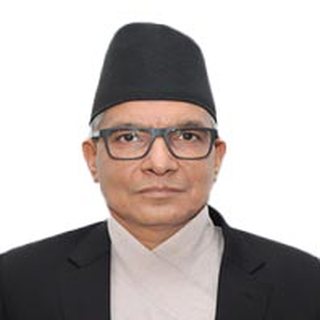
Chairperson (Chief Justice of Nepal)अध्यक्ष (प्रधान न्यायाधीश)डा. मनोजकुमार शर्माas of 2026-10-11Photo: jcs.gov.np
Purpose
- The Judicial Council recommends or advises on the appointment, transfer, disciplinary action and dismissal of judges and on other matters of judicial administration.न्याय परिषद्ले न्यायाधीशको नियुक्ति, सरुवा, अनुशासनसम्बन्धी कारबाही, बर्खास्ती र न्याय प्रशासनसम्बन्धी अन्य विषयमा सिफारिस गर्छ वा परामर्श दिन्छ। Government of Nepal Art. 153(1)
- It has five members: the Chief Justice (chair), the federal Minister for Law and Justice, the senior-most Supreme Court justice, a jurist appointed by the President on the Prime Minister's recommendation, and a senior advocate or advocate with at least 20 years' experience appointed by the President on the Nepal Bar Association's recommendation. The last two serve four-year terms.परिषद्मा पाँच जना रहन्छन्: प्रधान न्यायाधीश (अध्यक्ष), सङ्घीय कानून तथा न्यायमन्त्री, सर्वोच्च अदालतका वरिष्ठतम न्यायाधीश, प्रधानमन्त्रीको सिफारिसमा राष्ट्रपतिबाट नियुक्त एक कानूनविद् र नेपाल बार एसोसिएसनको सिफारिसमा राष्ट्रपतिबाट नियुक्त कम्तीमा २० वर्ष अनुभव भएका वरिष्ठ अधिवक्ता वा अधिवक्ता। पछिल्ला दुईको पदावधि चार वर्ष हुन्छ। Government of Nepal Art. 153(1)(a)-(e), (2)
- Supreme Court justices are appointed by the President, and High Court and district judges by the Chief Justice, on the Council's recommendation. The Council must keep an updated list of people qualified to be Chief Justice, Supreme Court justices and High Court judges.न्याय परिषद्को सिफारिसमा सर्वोच्च अदालतका न्यायाधीश राष्ट्रपतिले र उच्च तथा जिल्ला अदालतका न्यायाधीश प्रधान न्यायाधीशले नियुक्त गर्छन्। प्रधान न्यायाधीश, सर्वोच्च अदालतका न्यायाधीश र उच्च अदालतका मुख्य न्यायाधीश तथा न्यायाधीश पदमा योग्य व्यक्तिको अद्यावधिक अभिलेख परिषद्ले राख्नुपर्छ। Government of Nepal Arts. 129(2), 140(1), 149(1), 153(7)
- It examines complaints against judges, can form an expert inquiry committee, and can investigate and prosecute corruption by judges who cannot be removed by impeachment (that is, judges below the Supreme Court).न्यायाधीशउपर परेका उजुरीको छानबिन गर्छ, विज्ञ जाँचबुझ समिति गठन गर्न सक्छ र महाभियोगबाट पदमुक्त नहुने न्यायाधीश (सर्वोच्च अदालतभन्दा तल्लो तहका) ले भ्रष्टाचारमार्फत अख्तियारको दुरुपयोग गरेमा अनुसन्धान गरी मुद्दा चलाउन सक्छ। Government of Nepal Art. 153(4)-(6)
- The Council must send an annual report to the President, who forwards it to Parliament through the Prime Minister.न्याय परिषद्ले प्रत्येक वर्ष राष्ट्रपतिसमक्ष वार्षिक प्रतिवेदन पेस गर्नुपर्छ र राष्ट्रपतिले प्रधानमन्त्रीमार्फत सङ्घीय संसद्मा पेस गराउँछन्। Government of Nepal Art. 138(1)
What it has delivered
- The Council met 40 times in FY 2081/82 and made 102 decisions on 100 proposals, up from 24 meetings and 98 decisions in FY 2080/81 and 22 meetings and 52 decisions in FY 2079/80. The decisions were 5 on appointment recommendations, 19 on transfers (including assignments), 12 on judicial-administration advice, 18 on complaints, inquiries and investigations, and 48 on other matters.आ.व. २०८१/८२ मा परिषद्को ४० पटक बैठक बसी १०० प्रस्तावमा १०२ निर्णय भए (२०८०/८१ मा २४ बैठक, ९८ निर्णय; २०७९/८० मा २२ बैठक, ५२ निर्णय)। निर्णयमध्ये नियुक्ति सिफारिस ५, सरुवा (काजसमेत) १९, न्याय प्रशासनसम्बन्धी परामर्श १२, उजुरी, छानबिन तथा अनुसन्धान १८ र अन्य ४८ थिए। 102 Council decisionsपरिषद्का १०२ निर्णय (FY 2081/82 (16 July 2024 – 16 July 2025)) Judicial Council Secretariat §3.1 and §3.2, printed p. 9 (PDF p. 21), with chart 1
- Complaints against High Court and district judges: the Council had 352 in the year (196 carried over and 156 new), settled 206 and had 146 pending at year-end, fewer than the 196 pending a year earlier. The report does not say how many complaints led to action against a judge.उच्च तथा जिल्ला अदालतका न्यायाधीशउपरका उजुरी: वर्षभरि ३५२ (जिम्मेवारी १९६, नयाँ १५६) रहेकोमा २०६ फछ्र्यौट भई १४६ बाँकी रहे, जुन अघिल्लो वर्षको १९६ बाँकीभन्दा कम हो। कति उजुरीमा न्यायाधीशउपर कारबाही भयो भन्ने प्रतिवेदनको यस खण्डमा उल्लेख छैन। 146 complaints pending१४६ उजुरी बाँकी (FY 2081/82 (16 July 2024 – 16 July 2025)) Judicial Council Secretariat §3.8, printed p. 16 (PDF p. 28), second paragraph
- Judge posts at the time the report was submitted: Supreme Court 21 posts, 19 filled (3 women); High Court Chief Judges 7 posts, 5 filled; High Court judges 153 posts, 151 filled (24 women); district judges 287 posts, 286 filled (29 women).प्रतिवेदन पेस गर्दाको अवस्थामा न्यायाधीश दरबन्दी: सर्वोच्च अदालत २१ मध्ये १९ पूर्ति (महिला ३); उच्च अदालतका मुख्य न्यायाधीश ७ मध्ये ५; उच्च अदालतका न्यायाधीश १५३ मध्ये १५१ (महिला २४); जिल्ला न्यायाधीश २८७ मध्ये २८६ (महिला २९)। 5 judge posts vacant (all courts)५ न्यायाधीश दरबन्दी रिक्त (सबै अदालत) (At submission of the FY 2081/82 report (2082 Chaitra)) Judicial Council Secretariat §3.3 table, printed p. 10 (PDF p. 22), footnote 1; the table also gives Adivasi Janajati, Madhesi, Dalit, disabled and backward-region counts
Challenges
- Judges are not always appointed and transferred on time. District judge vacancies are supposed to be filled each year by the end of Chaitra, but the Council has not kept to the timetable in its own rules, and vacancies in the High Courts and Supreme Court have not been filled within the time set by the Judicial Council Act, 2073.न्यायाधीश नियुक्ति र सरुवा समयमै हुन सकेका छैनन्। जिल्ला न्यायाधीशको पद प्रत्येक चैत मसान्तसम्म पूर्ति गर्ने कानूनी व्यवस्था भए पनि न्याय परिषद् नियमावलीको समयसारिणीअनुसार काम हुन सकेको छैन र उच्च तथा सर्वोच्च अदालतका रिक्त पद पनि न्याय परिषद् ऐन, २०७३ ले तोकेको समयमा पूर्ति हुन सकेका छैनन्। Judicial Council Secretariat §5.3, printed p. 32 (PDF p. 44)
- In a 2081 decision the Supreme Court issued a mandamus to the Judicial Council to make appointments within the legal time limit when judge posts in any court fall vacant.सर्वोच्च अदालतले २०८१ सालको एक फैसलामा कुनै पनि अदालतमा न्यायाधीशको पद रिक्त भएमा कानूनी प्रक्रिया पूरा गरी तोकिएको समयसीमाभित्र नियुक्ति गर्न न्याय परिषद्का नाममा परमादेश जारी गरेको छ। Supreme Court of Nepal Summary on the Supreme Court home page; case no. 075-WO-0055, decided 2081-05-18
- Complaints against judges are often not settled within the time limit. The Council says media reports take time to verify, many complaints are incomplete, and some parties file complaints alongside appeals after losing a case; it lacks staff with investigative skills, for example to analyse call records and messaging apps.न्यायाधीशउपरका उजुरी तोकिएको समयमा फछ्र्यौट हुन सकेका छैनन्। सञ्चार माध्यमका समाचारको सत्यता बुझ्न समय लाग्ने, अपूरा र संक्षिप्त उजुरी आउने तथा फैसला आफ्नो पक्षमा नआएपछि पुनरावेदनसँगै उजुरी गर्ने प्रवृत्ति रहेको र कल डिटेल, सामाजिक सञ्जाल विश्लेषणजस्ता अनुसन्धानका लागि दक्ष जनशक्तिको अभाव रहेको परिषद्को भनाइ छ। Judicial Council Secretariat §5.6, printed pp. 33-34 (PDF pp. 45-46)
- Monitoring judges across the country is hard because the secretariat works only from Kathmandu; the Council says it needs skilled staff, technology and resources to watch areas prone to misconduct and identify people who try to interfere in judicial work.न्याय परिषद् सचिवालय काठमाडौं उपत्यकामा मात्र केन्द्रित रहेकाले देशभरका न्यायाधीशको कामकारबाही र आचरणको अनुगमन कठिन भएको, सम्भावित क्षेत्र (Prone Area) पहिचान र विचलनकर्ताको निगरानीका लागि दक्ष जनशक्ति, प्रविधि र स्रोत आवश्यक रहेको परिषद्ले जनाएको छ। Judicial Council Secretariat §5.5, printed p. 33 (PDF p. 45)
- The Council's secretariat has no building of its own, and an organisation and management (O&M) survey of its staffing has not been done for a long time.न्याय परिषद् सचिवालयको आफ्नै भवन छैन र लामो समयदेखि जनशक्तिको संगठन तथा व्यवस्थापन (O&M) सर्वेक्षण भएको छैन। Judicial Council Secretariat §5.1, printed p. 31 (PDF p. 43); §5.2, printed p. 32 (PDF p. 44)
Opportunities
- A study committee led by a Council member submitted, in Bhadra 2083, an analysis of how many judges the High Courts and district courts need based on their caseloads.परिषद्का एक सदस्यको संयोजकत्वमा गठित अध्ययन समितिले मुद्दाको लगतका आधारमा उच्च तथा जिल्ला अदालतमा आवश्यक न्यायाधीश दरबन्दीसम्बन्धी विश्लेषणात्मक अध्ययन प्रतिवेदन २०८३ भदौमा पेस गरेको छ। Judicial Council Secretariat News text
- The Judicial Council Act, 2073 allows a committee to monitor judges' work and conduct, including by gathering views from court staff, lawyers and court users; the Council says this can work if it gets skilled staff and resources.न्याय परिषद् ऐन, २०७३ को दफा १६ ले न्यायाधीशको कामकारबाही र आचरणको नियमित अनुगमन गर्न न्यायिक अनुगमन तथा निगरानी समिति गठन गर्न सकिने व्यवस्था गरेको छ, जसले कर्मचारी, कानून व्यवसायी र सेवाग्राहीको धारणा बुझ्न सक्छ; दक्ष जनशक्ति र स्रोत भए यो प्रभावकारी हुने परिषद्को भनाइ छ। Judicial Council Secretariat §5.5, printed p. 33 (PDF p. 45)
- The Council's case data is linked to the Supreme Court's case-management software; it plans software and mobile apps for complaints, exams, promotion forms and revenue collection.परिषद्लाई सर्वोच्च अदालतको CMS software मा Link up गरिएको छ; उजुरी तथा गुनासो, परीक्षा, बढुवा फाराम र राजस्व सङ्कलनका लागि सफ्टवेयर र मोबाइल एप्स निर्माण गर्नुपर्ने परिषद्ले जनाएको छ। Judicial Council Secretariat §5.7, printed p. 34 (PDF p. 46)
What people expect
No representative survey of public expectations was found for this court.
Sources
- The Constitution of Nepal (2nd amendment), English translation Checked 2026-10-11
- न्याय परिषदको वार्षिक प्रतिवेदन आ.व. २०८१/०८२ (Judicial Council annual report, FY 2081/82) Checked 2026-10-11
- न्याय परिषदका पदाधिकारीहरू (Office-bearers of the Judicial Council) Checked 2026-10-11
- उच्च तथा जिल्ला अदालतमा मुद्दाको लगतको आधारमा न्यायाधीशहरूको दरबन्दीको विश्लेषणात्मक अध्ययन प्रतिवेदन–२०८३ (news item) Checked 2026-10-11
- अधिवक्ता दिपक बिक्रम मिश्र विरुद्ध न्यायपरिषद सचिवालय समेत, मुद्दा नं ०७५-WO-००५५, फैसला मिति २०८१।०५।१८ Checked 2026-10-11
Corrections & right of reply
Parties, leaders and readers may ask us to correct an error or add a documented response. Corrections are published visibly with the date and reason; no one can pay to change coverage.
The submission channel is not open yet. It will open once an editorial contact and review process are in place.