
Executive
Ministry of Health and Food Safetyस्वास्थ्य तथा खाद्य स्वच्छता मन्त्रालय
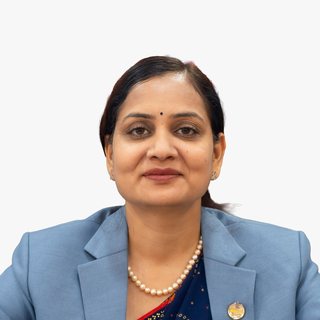
Neesha Mehtaas of 2026-10-11Photo: opmcm.gov.np
Health services and hospitals, medicines, population and family planning, sanitation and food safety.स्वास्थ्य सेवा तथा अस्पताल, औषधि, जनसङ्ख्या तथा परिवार नियोजन, सरसफाइ र खाद्य स्वच्छता हेर्छ।
Official websiteUnder the Work Division Regulation, 2083 this ministry replaced the Ministry of Health and Population and also took on food safety, sanitation and hygiene. Results and audit findings below refer to the former Ministry of Health and Population.कार्य विभाजन नियमावली, २०८३ अनुसार यो मन्त्रालयले साबिकको स्वास्थ्य तथा जनसङ्ख्या मन्त्रालयको ठाउँ लिएको छ र खाद्य स्वच्छता तथा सरसफाइको जिम्मेवारी पनि पाएको छ। तलका उपलब्धि र लेखापरीक्षणका तथ्य साबिकको स्वास्थ्य तथा जनसङ्ख्या मन्त्रालयसँग सम्बन्धित छन्।
What it must do
- Set national policy, law and standards on health and nutrition, covering promotive, preventive, curative, rehabilitative and palliative care, and the control of communicable and non-communicable diseases.स्वास्थ्य तथा पोषणसम्बन्धी राष्ट्रिय नीति, कानुन र मापदण्ड बनाउने; प्रवर्द्धनात्मक, प्रतिकारात्मक, उपचारात्मक, पुनर्स्थापनात्मक र निवारणात्मक सेवा तथा सर्ने र नसर्ने रोगको रोकथाम र नियन्त्रणको नीति बनाउने। Nepal Gazette Schedule 2, entry 18 (स्वास्थ्य तथा खाद्य स्वच्छता मन्त्रालय), items 1-2 and 10, p.45
- Establish, run and regulate national and central hospitals and health academies; regulate private health institutions such as nursing homes; accredit hospitals; and run national reference laboratories.राष्ट्रिय तथा केन्द्रीय अस्पताल र स्वास्थ्य प्रतिष्ठान स्थापना, सञ्चालन र नियमन गर्ने; नर्सिङ होमलगायत स्वास्थ्य संस्थाको नियमन र अस्पतालको प्रत्यायन गर्ने; राष्ट्रिय रिफरेन्स प्रयोगशाला सञ्चालन गर्ने। Nepal Gazette Schedule 2, entry 18, items 4-7 (p.45) and 24 (p.46)
- Regulate the quality of medicines, health products and health technology; monitor drugs; set policy on drug procurement and supply; supply essential items such as vaccines and family-planning commodities; and keep emergency buffer stocks.औषधी, स्वास्थ्य सामग्री र स्वास्थ्य प्रविधिको गुणस्तर नियमन, औषधी निगरानी, औषधी खरिद र आपूर्तिको नीति, खोप र परिवार नियोजनका साधनजस्ता अति आवश्यक सामग्रीको आपूर्ति र आपत्कालीन बफरस्टक व्यवस्थापन। Nepal Gazette Schedule 2, entry 18, item 8 (p.45), items 15-17 and 27 (p.46)
- Set policy and standards for traditional systems of care: Ayurveda, Unani, Amchi, homeopathy and naturopathy.आयुर्वेद, युनानी, आम्ची, होमियोप्याथी र प्राकृतिक चिकित्सालगायतका परम्परागत उपचार सेवाको नीति र मापदण्ड बनाउने। Nepal Gazette Schedule 2, entry 18, item 9, p.45
- Run health insurance and social health protection, and regulate fees for health services and goods.स्वास्थ्य बिमा र सामाजिक स्वास्थ्य सुरक्षा तथा स्वास्थ्य सेवा र वस्तुको शुल्कसम्बन्धी नीति र नियमन। Nepal Gazette Schedule 2, entry 18, item 12 (p.45) and item 14 (p.46)
- Watch for public-health threats and manage health emergencies, disasters and epidemics; develop emergency care and referral systems.राष्ट्रिय र अन्तर्राष्ट्रिय चासोका जनस्वास्थ्य समस्याको निगरानी, जनस्वास्थ्य आपत्काल, विपद् र महामारी व्यवस्थापन, तथा आकस्मिक सेवा र रिफरल प्रणालीको विकास। Nepal Gazette Schedule 2, entry 18, items 21, 26 and 28, p.46
- Set national policy on population, migration, family planning, maternal and child welfare and reproductive health, and run population research and projections.जनसङ्ख्या, बसाइँसराइ, परिवार नियोजन, मातृशिशु कल्याण र प्रजनन स्वास्थ्यसम्बन्धी राष्ट्रिय नीति तथा जनसङ्ख्या अनुसन्धान र प्रक्षेपण। Nepal Gazette Schedule 2, entry 18, items 29-30 (p.46) and 31 (p.47)
- New under the 2083 Regulation: policy, law and standards on sanitation and hygiene and on food safety, including food quarantine, food technology and quality control.२०८३ को नियमावलीले थपेको जिम्मेवारी: सरसफाइ तथा स्वच्छता र खाद्य स्वच्छतासम्बन्धी नीति, कानुन र मापदण्ड, साथै खाद्य क्वारेन्टाइन, खाद्य प्रविधि र गुण नियन्त्रण। Nepal Gazette Schedule 2, entry 18, items 32-34, p.47
Budget 2083/84
Rs 96.44 billionरु. ९६ अर्ब ४४ करोड · 4.54%४.५४ प्रतिशत of the federal budget
- Spent by the ministry itself: Rs 55.92 billionरु. ५५ अर्ब ९२ करोड
- Through provinces: Rs 5.63 billionरु. ५ अर्ब ६३ करोड
- Through local levels: Rs 34.89 billionरु. ३४ अर्ब ८९ करोड
Total allocation including money the ministry spends through provinces and local levels. Budget estimate, not actual spending.प्रदेश र स्थानीय तहमार्फत खर्च हुने रकमसमेत गरी कुल विनियोजन। यो बजेट अनुमान हो, वास्तविक खर्च होइन।
Ministry of Finance Annex 4 'मन्त्रालयगत व्यय अनुमान (वित्तीय व्यवस्था सहित)', row 370, PDF p.59 (Rs lakh); checked against the page imageWhat it has delivered
- Government health institutions reached 8,976 by mid-March 2026, including 420 hospitals, 181 primary health centres and 3,603 health posts. 104,756 health workers were in government service.२०२६ मार्च मध्यसम्म सरकारी स्वास्थ्य संस्था ८,९७६ पुगे, जसमा ४२० अस्पताल, १८१ प्राथमिक स्वास्थ्य केन्द्र र ३,६०३ स्वास्थ्य चौकी छन्। सरकारी सेवामा १,०४,७५६ स्वास्थ्यकर्मी कार्यरत थिए। 8,976 institutions; 420 hospitals (to mid-March 2026 (FY 2082/83 BS)) Ministry of Finance Paras 11.5-11.6 and Table 11(b), printed pp.150-151 (PDF pp.182-183)
- Government and private health institutions recorded about 70.9 million service visits (inpatient, outpatient and emergency).सरकारी र निजी स्वास्थ्य संस्थाबाट अन्तरङ्ग, बहिरङ्ग र आकस्मिक गरी करिब ७ करोड ९ लाख पटक सेवा दिइयो। 70.9 million visits (FY 2024/25 (= 2081/82 BS)) Ministry of Finance Para 11.7 and Table 11(c), printed p.151 (PDF p.183)
- Under the free treatment scheme for poor citizens, 53,713 people were treated (28,678 for cancer, 8,410 for heart disease and 12,452 for kidney disease, including 346 transplants), and hospitals were reimbursed Rs 4.43 billion.विपन्न नागरिक औषधी उपचार कार्यक्रमअन्तर्गत ५३,७१३ जनाको उपचार भयो (क्यान्सर २८,६७८, मुटुरोग ८,४१० र मिर्गौला १२,४५२, जसमा ३४६ प्रत्यारोपण), र अस्पताललाई रु. ४ अर्ब ४३ करोड शोधभर्ना दिइयो। 53,713 patients; Rs 4.43 billion (FY 2024/25 (= 2081/82 BS)) Ministry of Finance Paras 11.9-11.10 and Table 11(e), printed pp.151-152 (PDF pp.183-184)
- Health insurance now covers all local levels. By mid-March 2026, 63.8% of insured people had used insurance services (49.2% a year earlier), and 505 providers were affiliated, 87% of them government institutions.स्वास्थ्य बिमा सबै स्थानीय तहमा विस्तार भएको छ। २०२६ मार्च मध्यसम्म बिमितमध्ये ६३.८ प्रतिशतले सेवा लिए (एक वर्षअघि ४९.२ प्रतिशत), र ५०५ सेवाप्रदायक आबद्ध भए, जसमध्ये ८७ प्रतिशत सरकारी छन्। 63.8% of insured used services (to mid-March 2026 (FY 2082/83 BS)) Ministry of Finance Paras 11.18 and 11.20, printed pp.155-156 (PDF pp.187-188)
- 121 basic (10- and 15-bed) hospitals at local level had been completed by mid-March 2026; 314 more were under construction.स्थानीय तहमा १० र १५ शय्याका १२१ आधारभूत अस्पताल २०२६ मार्च मध्यसम्म सम्पन्न भए; थप ३१४ निर्माणाधीन छन्। 121 completed; 314 under construction (to mid-March 2026 (FY 2082/83 BS)) Ministry of Finance Para 11.17, printed p.155 (PDF p.187)
- The health workforce keeps growing: 54,223 doctors were registered with the Nepal Medical Council by mid-March 2026 (49,210 a year earlier), and 385,370 health workers were registered across all councils.स्वास्थ्य जनशक्ति बढ्दो छ: २०२६ मार्च मध्यसम्म नेपाल मेडिकल काउन्सिलमा ५४,२२३ चिकित्सक दर्ता भए (एक वर्षअघि ४९,२१०), र सबै परिषद्मा गरी ३,८५,३७० स्वास्थ्यकर्मी दर्ता छन्। 54,223 doctors; 385,370 health workers (to mid-March 2026 (FY 2082/83 BS)) Ministry of Finance Paras 11.12-11.14 and Table 11(g), printed pp.152-153 (PDF pp.184-185)
Challenges
- Key targets have not yet been met, the Auditor General reports. Against Fifteenth Plan targets for FY 2080/81, maternal mortality was 151 per 100,000 live births (target 99), under-five mortality 33 per 1,000 (target 24) and neonatal mortality 28 (target 14); stunting among under-fives was 25% (target 20%) and anaemia among women of reproductive age 34% (target 18%).महालेखापरीक्षकका अनुसार मुख्य लक्ष्य अझै पूरा हुन बाँकी छन्। पन्ध्रौँ योजनाको आ.व. २०८०/८१ सम्मको लक्ष्यको तुलनामा मातृ मृत्युदर प्रतिलाख जीवित जन्ममा १५१ (लक्ष्य ९९), पाँच वर्षमुनिको बाल मृत्युदर प्रतिहजारमा ३३ (लक्ष्य २४) र नवजात शिशु मृत्युदर २८ (लक्ष्य १४) रह्यो; पाँच वर्षमुनिका बालबालिकामा पुड्कोपन २५ प्रतिशत (लक्ष्य २०) र प्रजनन उमेरका महिलामा रक्तअल्पता ३४ प्रतिशत (लक्ष्य १८) रह्यो। Office of the Auditor General Health and Population chapter, paras 4 and 7, printed pp.574-575 (PDF pp.604-605)
- Expensive equipment sits idle. The Auditor General found a cath-lab machine at the National Trauma Centre unused since 2072 for lack of skilled staff, plus CT scanners, ventilators and other equipment worth Rs 247.7 million there, unused machines at several other hospitals, and a teletherapy machine at the B.P. Koirala Memorial Cancer Hospital fully out of use for four years while its radioactive source remains a risk.महँगा उपकरण थन्किएका छन्। राष्ट्रिय ट्रमा सेन्टरमा दक्ष जनशक्तिको अभावमा २०७२ देखि प्रयोग नभएको क्याथल्याब मेसिन, त्यहीँ रु. २४ करोड ७७ लाख बराबरका सीटी स्क्यान, भेन्टिलेटरलगायत उपकरण, अन्य केही अस्पतालका प्रयोगविहीन मेसिन, र बी.पी. कोइराला मेमोरियल क्यान्सर अस्पतालमा चार वर्षदेखि पूर्ण रूपमा बन्द टेलिथेरापी मेसिन (जसको रेडियोधर्मी स्रोतको जोखिम कायमै छ) महालेखापरीक्षकले औँल्याएका छन्। Office of the Auditor General Ch.3, item 52, printed p.33 (PDF p.43)
- The Auditor General reports that medicines worth Rs 90.7 million expired unused at the Department of Health Services, the National Tuberculosis Control Centre, Bir Hospital, the B.P. Koirala Institute of Health Sciences and Sukraraj Tropical and Infectious Disease Hospital.महालेखापरीक्षकका अनुसार स्वास्थ्य सेवा विभाग, राष्ट्रिय क्षयरोग नियन्त्रण केन्द्र, वीर अस्पताल, बी.पी. कोइराला स्वास्थ्य विज्ञान प्रतिष्ठान र शुक्रराज ट्रपिकल तथा सरुवा रोग अस्पतालमा रु. ९ करोड ७ लाख बराबरका औषधी तथा सामग्रीको म्याद सकिएर प्रयोगमा आउन नसक्ने भएका छन्। Office of the Auditor General Ch.3, item 53, printed p.33 (PDF p.43)
- Parallel schemes: Rs 4.60 billion was reimbursed to 136 institutions under the poor-citizen treatment scheme. The Auditor General recommends linking such schemes to health insurance and delivering them through a single window.समानान्तर कार्यक्रम: विपन्न नागरिक औषधी उपचार कार्यक्रमअन्तर्गत १३६ स्वास्थ्य संस्थालाई रु. ४ अर्ब ५९ करोड ८५ लाख शोधभर्ना दिइयो। यस्ता कार्यक्रमलाई स्वास्थ्य बिमासँग जोडेर एकद्वार प्रणालीबाट सेवा दिन महालेखापरीक्षकले सुझाएका छन्। Office of the Auditor General Ch.3, item 54, printed pp.33-34 (PDF pp.43-44)
- Promises in the 2080/81 budget were partly met, the Auditor General reports: of 100 basic hospitals due to be completed, 47 were finished; the PET scan and cyclotron for the cancer hospital were not bought; and the planned integrated health-academies Act was not drafted.महालेखापरीक्षकका अनुसार आ.व. २०८०/८१ को बजेटका प्रतिबद्धता आंशिक रूपमा पूरा भए: सम्पन्न गर्ने भनिएका १०० आधारभूत अस्पतालमध्ये ४७ मात्र बने; क्यान्सर अस्पतालका लागि पेट स्क्यान र साइक्लोट्रोन मेसिन खरिद भएन; र एकीकृत स्वास्थ्य विज्ञान प्रतिष्ठान ऐनको काम भएन। Office of the Auditor General Health and Population chapter, para 6, printed pp.574-575 (PDF pp.604-605)
- The free-medicine policy is not fully implemented, health workers are not yet sufficient for the population, and the full workforce has not been deployed across the federal structure, according to the Auditor General.महालेखापरीक्षकका अनुसार निःशुल्क औषधी नीति पूर्ण रूपमा लागू भएको छैन, जनसङ्ख्याको अनुपातमा स्वास्थ्यकर्मी पुगेका छैनन्, र सङ्घीय संरचनाअनुसार दक्ष जनशक्ति पूर्ण रूपमा परिचालन हुन सकेको छैन। Office of the Auditor General Health and Population chapter, para 5, printed p.574 (PDF p.604)
- Audit objections are high relative to spending: beruju of Rs 524.3 million was found in the FY 2081/82 audit of the former Ministry of Health and Population, 4.38% of the amount audited, against 1.83% for federal bodies overall.खर्चको अनुपातमा बेरुजु उच्च छ: साबिकको स्वास्थ्य तथा जनसङ्ख्या मन्त्रालयको आ.व. २०८१/८२ को लेखापरीक्षणमा रु. ५२ करोड ४३ लाख बेरुजु देखियो, जुन लेखापरीक्षण अङ्कको ४.३८ प्रतिशत हो (सबै सङ्घीय निकायको औसत १.८३ प्रतिशत)। Office of the Auditor General Ch.2, para 5.3 table, row 10, printed p.11 (PDF p.21)
- The share of children receiving full vaccination has declined, the Economic Survey notes, even as infant and under-five mortality have fallen.शिशु तथा पाँच वर्षमुनिको बाल मृत्युदर घटे पनि पूर्ण खोप पाउने बालबालिकाको अनुपात घटेको आर्थिक सर्वेक्षणले उल्लेख गरेको छ। Ministry of Finance Para 11.3, printed p.149 (PDF p.181)
Opportunities
- The 2083/84 budget puts Rs 101.95 billion into the health sector, including Rs 15 billion for health insurance and Rs 13.15 billion for health-related social security such as treatment for poor citizens, safe motherhood and free medicines.आ.व. २०८३/८४ को बजेटले स्वास्थ्य क्षेत्रमा रु. १ खर्ब १ अर्ब ९५ करोड छुट्याएको छ, जसमा स्वास्थ्य बिमाका लागि रु. १५ अर्ब र विपन्न नागरिक उपचार, सुरक्षित मातृत्व र निःशुल्क औषधीजस्ता स्वास्थ्यसम्बन्धी सामाजिक सुरक्षाका लागि रु. १३ अर्ब १५ करोड छन्। Ministry of Finance Para 48(a)-(b), printed p.27 (PDF p.29)
- Restructure health insurance into a single-payer system that merges scattered social health protection schemes, aiming to cover 90% of Nepalis and cut out-of-pocket spending within three years.छरिएका सामाजिक स्वास्थ्य सुरक्षा कार्यक्रम एकीकृत गरी स्वास्थ्य बिमालाई एकल भुक्तानी प्रणालीमा पुनर्संरचना गर्ने, र तीन वर्षभित्र ९० प्रतिशत नेपालीलाई बिमामा समेट्दै व्यक्तिगत उपचार खर्च घटाउने लक्ष्य। Ministry of Finance Para 32, printed p.15 (PDF p.17)
- Finish the 336 primary hospitals under construction within three years (Rs 5.90 billion allocated), and build new ones only after scientific mapping.निर्माणाधीन ३३६ प्राथमिक अस्पताल तीन वर्षभित्र सम्पन्न गर्ने (रु. ५ अर्ब ९० करोड विनियोजन), र नयाँ अस्पताल वैज्ञानिक नक्साङ्कनपछि मात्र बनाउने। Ministry of Finance Para 48(d), printed p.27 (PDF p.29)
- Strengthen regulation: set up a National Health Accreditation Authority to certify the quality of health institutions and a Food and Drug Administration for medicines, reagents and health-related food products.नियमन बलियो बनाउने: स्वास्थ्य संस्थाको गुणस्तर प्रमाणित गर्न राष्ट्रिय स्वास्थ्य प्रत्यायन प्राधिकरण र औषधी, रिएजेन्ट तथा स्वास्थ्यसम्बन्धी खाद्य पदार्थको नियमनका लागि खाद्य तथा औषधी प्रशासन स्थापना गर्ने। Ministry of Finance Para 48(e) (printed p.27) and 48(l) (printed p.28)
- Have Nepal Aushadhi Limited produce at least 25 of the essential medicines the government gives free, and turn major government hospitals in all seven provinces into teaching and specialised hospitals in phases.सरकारले निःशुल्क दिने कम्तीमा २५ प्रकारका अत्यावश्यक औषधी नेपाल औषधी लिमिटेडबाट उत्पादन गर्ने, र सातै प्रदेशका प्रमुख सरकारी अस्पताललाई चरणबद्ध रूपमा शिक्षण तथा विशेषज्ञ अस्पताल बनाउने। Ministry of Finance Para 31, printed pp.14-15 (PDF pp.16-17)
Sources
- नेपाल सरकार (कार्य विभाजन) नियमावली, २०८३ [Government of Nepal (Work Division) Regulation, 2083] Checked 2026-10-11
- आर्थिक वर्ष २०८३/८४ को बजेट वक्तव्य (Budget Statement FY 2083/84) with annexes Checked 2026-10-11
- Economic Survey 2025/26 (English) Checked 2026-10-11
- महालेखापरीक्षकको तिरसट्ठिऔँ वार्षिक प्रतिवेदन, सारांश, २०८३ (The Auditor General's Sixty-Third Annual Report Summary) Checked 2026-10-11
- महालेखापरीक्षकको बासट्ठीऔँ वार्षिक प्रतिवेदन, २०८२ (62nd Annual Report of the Auditor General, 2082) Checked 2026-10-11
- Budget Speech of Fiscal Year 2026/27 (2083/84), unofficial English translation Checked 2026-10-11